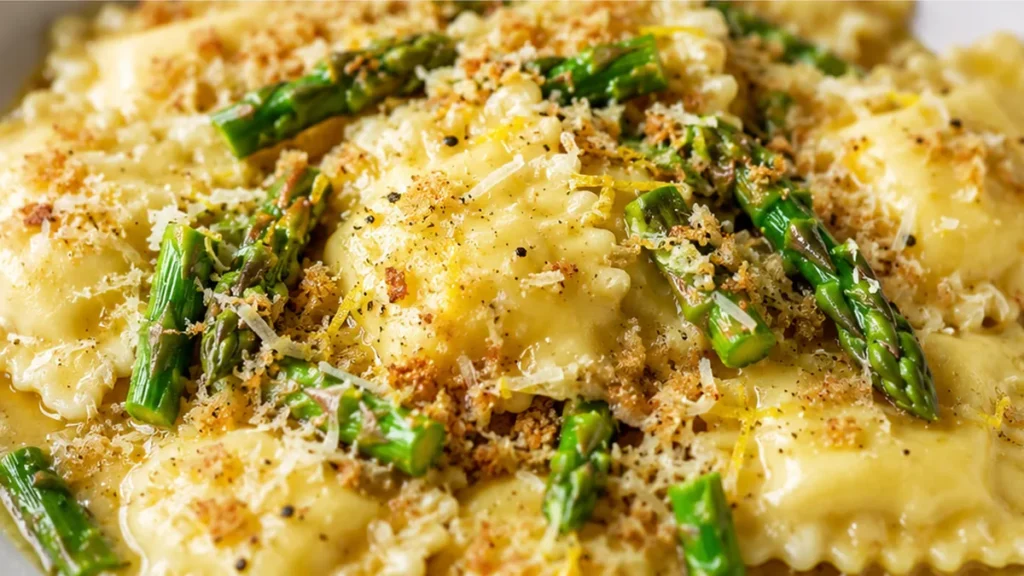
Lemon butter ravioli offers a delightful combination of bright, tangy flavors and rich, comforting textures, making it a perfect meal for a busy weeknight or a relaxed weekend. This recipe elevates simple cheese ravioli with a luxurious lemon-butter sauce and adds an irresistible crunch with garlic basil breadcrumbs. It’s a dish that feels sophisticated yet is incredibly straightforward to prepare, proving that gourmet flavors don’t always require hours in the kitchen. A vibrant and satisfying meal comes together quickly here, with the aroma of lemon and basil at the forefront.
Key takeaways
- Achieve a stable, glossy sauce by emulsifying butter, lemon juice, and starchy pasta water.
- Manage heat carefully during sauce preparation to prevent separation.
- Toast Panko breadcrumbs separately for a crispy topping.
- Add ravioli directly to the sauce pan to absorb flavor and help thicken.
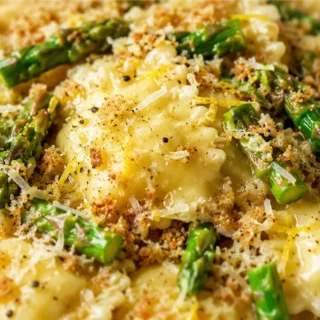
Lemon Butter Ravioli: Your New Weeknight Obsession!
Ingredients
- 6 tablespoons extra virgin olive oil
- 1 cup Panko breadcrumbs
- 3 cloves garlic, finely chopped or grated
- 3/4 cup freshly grated parmesan cheese
- 3/4 cup fresh basil, finely chopped
- 1 pound cheese ravioli
- 4 tablespoons salted butter
- 1 bunch asparagus, chopped
- 2 tablespoons fresh thyme leaves
- zest and juice of 1 lemon
Instructions
- Heat a large skillet over medium heat. Add 2 tablespoons olive oil, 2 cloves garlic, the breadcrumbs, and basil. Cook, stirring occasionally until the breadcrumbs are toasted all over, about 3 minutes. Add the cheese and cook another 2 minutes, until fried. Remove the breadcrumbs from the skillet. Season with salt and pepper. Set the breadcrumbs aside.
- Bring a large pot of salted water to a boil. Cook the ravioli according to package directions until al dente. Drain the ravioli.
- Place the skillet back over medium heat. Add the remaining 2 tablespoons olive oil and the asparagus. Cook until tender, about 3-5 minutes. Add the butter, 1 clove garlic, the thyme, and lemon zest, and cook until the butter begins to brown, 3-4 minutes. Reduce the heat to low, add the wine and lemon juice. Season with salt, pepper, and crushed red pepper flakes. Simmer 2-3 minutes, until the sauce reduces slightly. Drop the ravioli into the sauce, gently tossing to combine.
- Divide the ravioli between plates. Top with breadcrumbs and additional herbs, if desired. Enjoy!
Notes
The Technique That Makes It: Emulsifying the Lemon Butter Sauce
The magic of this lemon butter ravioli lies in creating a stable, luscious sauce that coats each pasta parcel beautifully. This is achieved through proper emulsification. When the butter melts, it releases water and fat. By whisking in the lemon juice and pasta water (which contains starch), you create a temporary emulsion. The starch from the ravioli acts as a stabilizer, helping to bind the fat and water components of the sauce. Crucially, this process requires careful heat management. The sauce should be kept warm but not boiling vigorously after the lemon juice is added, as excessive heat can cause the emulsion to break, resulting in a greasy or separated sauce. Adding the ravioli directly to the pan with the sauce allows the pasta to absorb some of the flavor and helps thicken the sauce further.
Troubleshooting
- Problem: Sauce is greasy or separated.
This usually happens if the sauce gets too hot after adding the lemon juice, causing the emulsion to break. To fix it, remove the pan from the heat immediately. Whisk in a tablespoon or two of cold water or a little more lemon juice off the heat. If necessary, you can try whisking in a tiny bit more grated Parmesan cheese to help re-emulsify.
- Problem: Ravioli are sticking together.
Ensure you cook the ravioli in plenty of salted boiling water and stir them gently during cooking. Don’t overcrowd the pot. After draining, add them directly to the sauce and toss immediately to prevent them from clumping as they cool.
- Problem: Sauce is too thin.
The starch released from the ravioli as it cooks and is tossed in the sauce is key to thickening. If the sauce remains too thin, you can gently simmer it for an extra minute or two, stirring constantly, to allow some of the liquid to evaporate. Alternatively, whisk in a bit more grated Parmesan cheese, which will also help thicken the sauce.
- Problem: Panko topping is soggy.
The Panko breadcrumbs are meant to provide a crispy contrast. Ensure they are toasted separately until golden brown and crispy before adding them to the finished dish. Adding them too early or to a very wet sauce will make them absorb moisture and lose their crunch.
Substitutions
- Ravioli: If cheese ravioli is unavailable, spinach and ricotta ravioli or even mushroom ravioli would work well. The flavor profile will shift slightly, but the lemon butter sauce is versatile enough to complement these variations. Expect a slightly earthier or more vegetal note depending on the filling.
- Asparagus: Broccoli florets or green beans can be substituted for asparagus. They will require a similar cooking time (blanching or sautéing until tender-crisp) and will provide a comparable fresh, green element to the dish.
- Basil: Fresh parsley can be used in place of basil for a milder, peppery freshness. While basil offers a distinct anise-like sweetness, parsley provides a clean, bright herbaceousness that still complements the lemon and butter.
- Lemon: Lime can be used as a substitute for lemon, but use slightly less as limes can be more tart. This will impart a different citrus note, leaning more tropical and zesty, which can be a pleasant variation.
Pro tips
- For the brightest lemon flavor, always use freshly grated zest and juice. The zest carries the essential oils that give the most intense aroma.
- To ensure your breadcrumbs are perfectly crispy and evenly golden, keep them moving in the skillet. Stir constantly and remove them from the heat as soon as they’re done to prevent burning.
- Don’t overcook your ravioli! Al dente is key for texture. They will continue to cook slightly when tossed in the hot sauce.
- When browning the butter, watch it closely. It can go from perfectly nutty to burnt in a matter of seconds. Look for a golden-brown color and a fragrant, toasty smell.
This lemon butter ravioli with garlic basil breadcrumbs is a testament to how simple ingredients can create truly memorable flavors. Give it a try and enjoy a restaurant-quality meal at home!
Frequently asked questions
Can I make the lemon butter sauce ahead of time?
It’s best to make the sauce just before serving. Emulsions are delicate and can break if stored or reheated improperly. Making it fresh ensures the sauce is perfectly smooth, glossy, and clings beautifully to the ravioli.
What kind of ravioli works best?
While cheese ravioli is specified, other filled ravioli like ricotta and spinach or mushroom will also work. The key is that the ravioli releases enough starch into the cooking water to help emulsify the sauce and provide body.
How do I prevent the ravioli from becoming mushy?
Cook the ravioli according to package directions until al dente – tender but still firm to the bite. Avoid overcooking. Drain them well and immediately toss them into the warm lemon butter sauce to coat and finish cooking briefly.
Is it important to use salted butter?
Using salted butter adds a foundational layer of flavor. If you only have unsalted butter, you’ll need to add salt to the sauce to taste. The salt enhances the brightness of the lemon and the richness of the butter.
More from Easy Pasta Recipes →