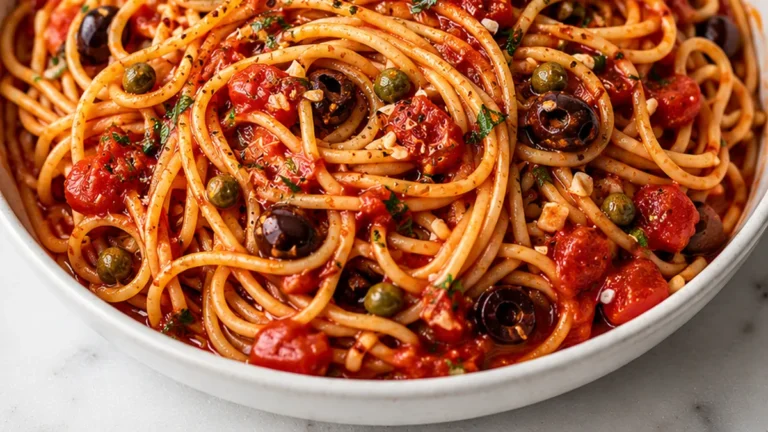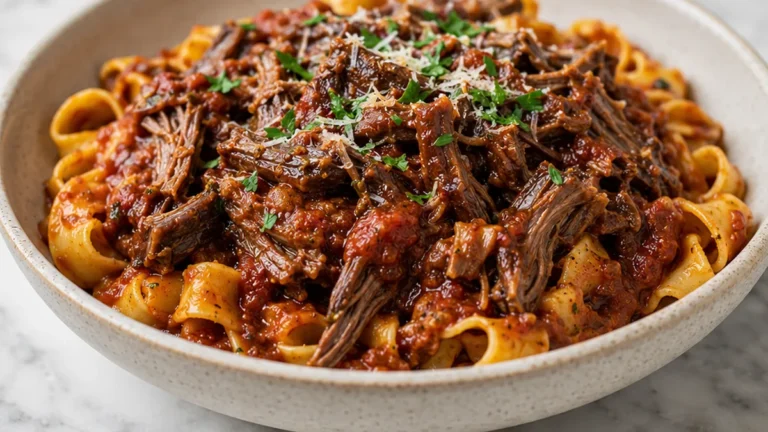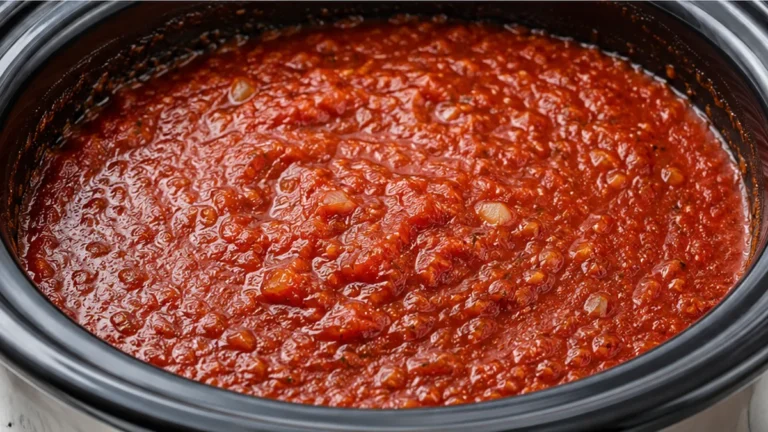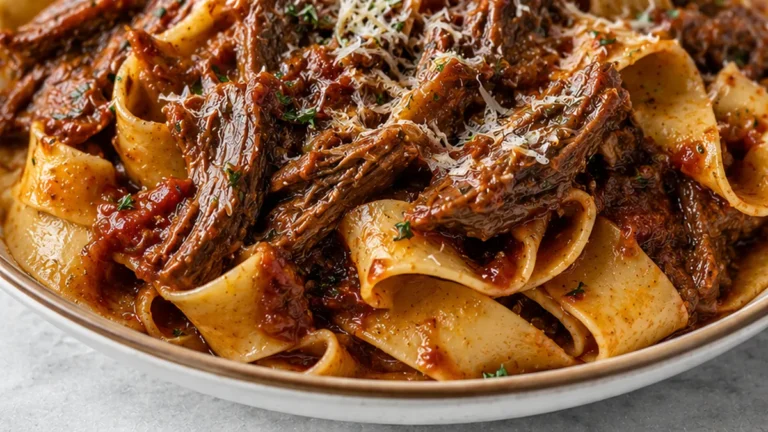
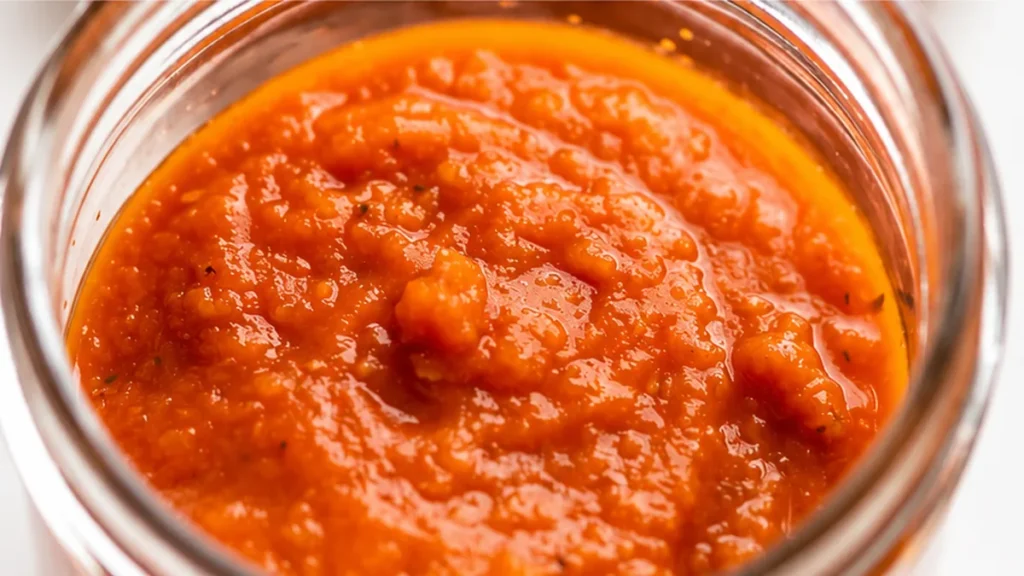
Making your own tomato sauce doesn’t need to be complicated or time-consuming. This easy 30-minute tomato sauce recipe proves that you can achieve incredible depth of flavor with simple ingredients and minimal effort. Perfect for weeknights, this sauce is versatile enough for pasta, pizza, or as a base for other dishes. Forget the store-bought alternatives that often lack freshness or contain unwanted additives. Our quick tomato sauce recipe focuses on the natural sweetness of ripe tomatoes and the aromatic kick of garlic and onion, creating a bright sauce that tastes like it simmered for hours.
Key takeaways
- Use ripe tomatoes for better flavor.
- Sauté garlic and onions to build a rich base.
- Balance acidity with sugar for a harmonious taste.
- This sauce is quick and versatile for many dishes.
5-Minute Tomato Sauce
Ingredients
- 8 medium Tomatoes (roughly diced)
- 2 tablespoons Olive Oil
- 1 1/2 tablespoons finely chopped Garlic
- 1 medium Onion (finely chopped)
- 1/2 cup Tomato Puree or Passata (store bought)
- 1 teaspoon Salt
- 2 teaspoons Italian Seasoning Mix (dried)
- 2 teaspoons Sugar
Instructions
- Puree the fresh tomatoes in a blender until smooth. Set aside.
- Heat olive oil in a saucepan over low heat. Add garlic and sauté for 1 minute until fragrant, being careful not to brown it. Add chopped onions and sauté until translucent.
- Stir in the pureed tomatoes, tomato puree, Italian seasoning, salt, and sugar. Bring to a simmer.
- Reduce heat and simmer for 20-25 minutes, or until the sauce has reduced by about one-third and thickened. Stir occasionally.
- Use immediately to toss with pasta, or cool and refrigerate for up to 5 days in an airtight container.
- For longer storage, freeze the sauce in a freezer-friendly container for up to 6 months.
Video
Notes
Understanding the Essential Components of Tomato Sauce
Tomato sauce is a fundamental component in many cuisines, particularly Italian. The primary ingredient, tomatoes, provide the base flavor and acidity. When selecting tomatoes, it is crucial to choose ripe, flavorful varieties, such as Roma or San Marzano, which have a lower water content and higher sugar levels. This enhances the sauce’s natural sweetness and reduces the need for added sugar. The cooking process is equally important; simmering the sauce allows the flavors to meld and develop depth. A general guideline is to simmer the sauce for at least 20 minutes to achieve a concentrated flavor, but our 5-minute version offers a fresh and vibrant alternative.
The Role of Aromatics in Flavor Development
Aromatics like garlic and onions are vital for building the flavor profile of tomato sauce. When sautéed in olive oil, these ingredients release their natural oils and sugars, enhancing the overall taste. The Maillard reaction occurs when these aromatics are cooked at the right temperature, creating complex flavors that elevate the sauce. For optimal results, cook the garlic and onion until they are translucent and fragrant, typically around 2-3 minutes over medium heat. This step is essential to avoid the raw taste of garlic, which can overpower the sauce.
Balancing Acidity and Sweetness
Tomato sauce naturally has high acidity, which can be balanced with sugar. The addition of sugar, in this case, 2 teaspoons, counteracts the acidity of the tomatoes, creating a more harmonious flavor. However, the amount of sugar can vary depending on the sweetness of the tomatoes used. Taste and adjust accordingly; if the sauce tastes too acidic, a little more sugar can help. Additionally, the use of tomato puree or passata provides a smoother texture and richer flavor, making it an excellent choice for a quick sauce.
Common Mistakes and Their Solutions
- Too Acidic: If your sauce is too tangy, add a pinch more sugar or a splash of balsamic vinegar to balance the flavors.
- Overcooked Garlic: If the garlic burns, it can impart a bitter taste. Cook on lower heat and watch closely; you want it golden, not brown.
- Watery Sauce: If the sauce is too thin, simmer it for longer or add a bit more tomato puree to thicken it up.
- Lack of Flavor: If the sauce tastes flat, consider adding fresh herbs like basil or oregano at the end of cooking for a burst of freshness.
Unique Characteristics of This Quick Tomato Sauce
This 5-minute tomato sauce stands out due to its fresh, vibrant flavor, achieved by using raw diced tomatoes in conjunction with tomato puree. This method preserves the brightness of the tomatoes, making it an ideal choice for those who prefer a lighter sauce. Unlike traditional sauces that require long cooking times, this recipe is perfect for weeknight dinners or when time is of the essence. It can be used as a base for pasta, pizza, or as a dipping sauce, showcasing its versatility in various dishes.
How to Properly Store and Reheat Tomato Sauce
Storing your tomato sauce correctly can significantly extend its shelf life. After cooking, allow the sauce to cool completely before transferring it to an airtight container. It can be refrigerated for up to one week or frozen for up to three months. When reheating, do so gently over medium heat to avoid scorching. If the sauce appears too thick after thawing, add a splash of water or broth to achieve the desired consistency.
Scaling the Recipe for Larger Gatherings
This 5-minute tomato sauce recipe is easily scalable. If you need to serve a larger group, simply multiply the ingredient quantities by the number of servings required. Keep in mind that cooking time may vary slightly, especially if using a larger pot. Ensure that the tomatoes are evenly diced to maintain consistent cooking. For best results, consider making a larger batch and storing leftovers for future meals.
Choosing the Right Equipment for Optimal Results
The choice of equipment can influence the outcome of your tomato sauce. A heavy-bottomed saucepan is ideal for even heat distribution, which helps to prevent burning. A wooden spoon is recommended for stirring, as it won’t scratch your pot’s surface and allows for better control. If you prefer a smoother sauce, consider using an immersion blender after cooking to achieve your desired texture.
Adapting the Recipe Based on Seasonal Ingredients
Using seasonal tomatoes can enhance the flavor profile of your sauce. During peak tomato season, opt for vine-ripened varieties, which are sweeter and more flavorful. In the off-season, you may need to adjust the sweetness of the sauce by adding more sugar or using a higher quality tomato puree. Additionally, incorporating fresh herbs like basil or oregano can elevate the dish, depending on what is available.
How to Enhance Flavor with Fresh Ingredients
When preparing tomato sauce, the quality of your ingredients can significantly impact the final flavor. Using fresh, ripe tomatoes will yield a sweeter and more robust sauce compared to out-of-season or canned tomatoes. Ideally, choose tomatoes that are in season, as they will have the best flavor profile. Additionally, consider incorporating fresh herbs like basil or oregano instead of dried herbs, which can elevate the dish. Fresh garlic and onion also contribute to a more vibrant taste. The key is to balance these fresh ingredients with the other components of your sauce to create a harmonious flavor. For example, if your tomatoes are particularly sweet, you might want to reduce the sugar in the recipe to maintain balance.
Adjusting Tomato Sauce for Different Dishes
Tomato sauce is incredibly versatile and can be adapted for various dishes. For a thicker sauce suitable for pizza, consider simmering it longer to evaporate excess moisture. Conversely, if you want a lighter sauce for pasta, you may choose to add a splash of water or broth to achieve your desired consistency. Additionally, for a more robust flavor suitable for stews, integrating a splash of red wine during cooking can deepen the sauce’s complexity. Each adjustment not only changes the texture but also the overall flavor, allowing you to tailor the sauce to your specific culinary needs.
Understanding the Importance of Simmering Time
The simmering time for your tomato sauce plays a critical role in developing its flavor. While this recipe is designed for a quick preparation, allowing the sauce to simmer for a longer period, up to 30 minutes, can enhance the depth of flavor significantly. During simmering, the ingredients meld together, and the acidity of the tomatoes mellows. If you notice a sharp acidity in your sauce, a longer simmer can help. Conversely, if you’re short on time, ensure you chop your ingredients finely to maximize flavor extraction in the limited time you have. Remember, the balance between simmering time and ingredient quality is essential for achieving the best results.
Understanding the Impact of Tomato Quality on Sauce Flavor
The quality of tomatoes used in your sauce can significantly influence the final flavor profile. For the best results, opt for ripe, in-season tomatoes, as they contain higher sugar levels and less acidity. Varieties such as San Marzano or Roma tomatoes are known for their rich flavor and low moisture content, making them ideal for sauces. When using store-bought tomatoes, look for those labeled as vine-ripened to ensure optimal taste. Additionally, the ripeness of tomatoes should be considered; overripe tomatoes can lead to a sweet sauce, while underripe ones may impart a sour taste. Aim for a balance that complements the other ingredients, particularly the garlic and onion, to create a harmonious sauce.
Batch Scaling: Adjusting Ingredients for Larger Quantities
When scaling your tomato sauce recipe for larger gatherings, maintaining the balance of flavors is crucial. A common approach is to multiply the ingredient quantities by the number of servings desired. However, be mindful that certain ingredients, such as salt and sugar, may need to be adjusted differently. For example, when doubling the recipe, you might only increase salt by 1.5 times to avoid overpowering the sauce. Additionally, consider cooking time; larger batches may require longer simmering to meld the flavors properly. It’s also wise to taste as you go, ensuring that the sauce maintains its intended flavor profile despite the increased volume. Storing excess sauce in airtight containers can help preserve its freshness for future use.
Pro tips
- Use ripe, fresh tomatoes for the best flavor.
- Be careful not to brown the garlic; burnt garlic tastes bitter.
- Simmer uncovered to allow the sauce to reduce and thicken properly.
- Taste and adjust seasoning (salt, sugar, herbs) before serving.
Enjoy this simple, homemade tomato sauce that improves any dish. It’s a versatile staple you’ll return to again and again!
Frequently asked questions
Can I use canned tomatoes instead of fresh?
Yes, canned tomatoes can be used in this recipe. They are often picked at peak ripeness and can offer a rich flavor. However, fresh tomatoes provide a lighter taste.
How can I store leftover sauce?
Leftover tomato sauce can be stored in an airtight container in the refrigerator for up to 5 days. You can also freeze it for longer storage, up to 3 months.
What can I add to the sauce for extra flavor?
For added flavor, consider incorporating fresh herbs like basil or parsley, or spices such as red pepper flakes for heat. A splash of red wine can also enhance the depth of flavor.
Is this sauce suitable for a vegan diet?
Yes, this tomato sauce is entirely plant-based and suitable for a vegan diet. It contains no animal products and is rich in flavor and nutrients.
More from Pasta Sauces →