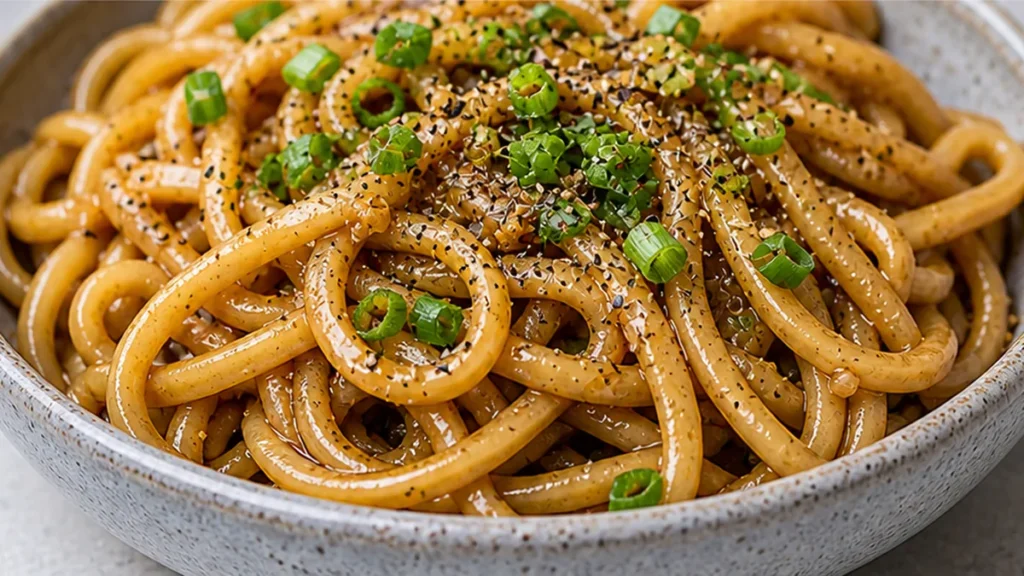
This black pepper stir fried udon recipe is a fantastic weeknight meal that delivers big on flavor with minimal effort. Utilizing pre-cooked udon noodles and a simple sauce, you can whip up this delicious dish in under 20 minutes. The combination of savory soy and oyster sauces, a touch of sweetness from brown sugar, and a generous kick of fresh black pepper creates a truly irresistible flavor profile for these thick udon noodles.
Key takeaways
- The sauce's balance of soy, oyster, sugar, and vinegar is key.
- Freshly ground black pepper is essential for authentic flavor.
- Pre-cooked udon noodles cook quickly and absorb sauce well.
- Avoid overcooking noodles and vegetables to maintain texture.
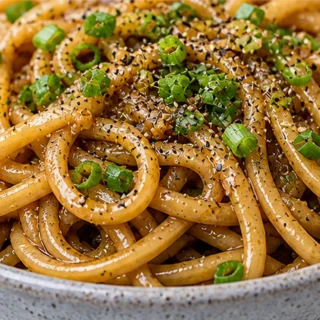
Simple Black Pepper Udon Noodles
Ingredients
- 3 tablespoons dark soy sauce
- 2 tablespoons oyster sauce
- 1 1/2 tablespoons brown sugar
- 1 tablespoon rice vinegar
- a little bit of neutral oil
- 2 cups stir fry veggies (I use about half of a bag of a frozen stir fry veggie blend)
- two 7-ounce packages of udon noodles (the cooked, fat, squishy ones)
- 1-2 cloves fresh garlic, minced
- a ton of freshly ground black pepper
Instructions
- Combine dark soy sauce, oyster sauce, brown sugar, and rice vinegar in a jar. Shake well until the sugar is dissolved.
- Heat a nonstick skillet over medium-high heat. Add a swish of neutral oil.
- Add the udon noodles and enough sauce to coat them. Stir-fry for 2-3 minutes until they begin to caramelize slightly.
- Add the stir-fry vegetables to the skillet. Pour a little more sauce over everything. Toss for 2-3 minutes until veggies are tender-crisp and everything is browned and sticky.
- Remove from heat. Stir in the minced fresh garlic and a generous amount of freshly ground black pepper until fragrant.
Notes
The technique that makes it
The simplicity of this black pepper udon noodle dish hinges on a few key techniques that ensure maximum flavor with minimal effort. The foundation of the sauce is a balance of salty, sweet, and umami. Dark soy sauce provides the deep color and salty base, while oyster sauce adds a crucial layer of savory depth and a slightly viscous texture that helps the sauce cling to the noodles. Brown sugar is essential not just for sweetness, but to temper the saltiness and aid in caramelization when briefly cooked. Rice vinegar introduces a bright, acidic note that cuts through the richness and prevents the dish from tasting flat. The real star, however, is the generous amount of freshly ground black pepper. Unlike pre-ground pepper, freshly ground pepper releases volatile aromatic compounds that provide a pungent, spicy kick that defines this dish. It’s crucial to add this towards the end of the cooking process to preserve its intense flavor. The udon noodles themselves, specifically the pre-cooked, vacuum-sealed variety, are designed for quick preparation. They simply need to be heated through, absorbing the sauce without becoming mushy. Overcooking them will result in a loss of their characteristic chewy texture.
Troubleshooting
- Problem: Sauce is too thin. Fix: Simmer the sauce for an extra minute or two after adding the noodles and vegetables, stirring constantly. The sugar will help thicken it slightly, and the evaporation will reduce the liquid.
- Problem: Noodles are clumpy or sticky. Fix: Ensure the udon noodles are properly separated before adding them to the sauce. If they are still clumpy, toss them gently in a separate pan with a tiny bit of neutral oil before combining with the sauce.
- Problem: Not enough pepper flavor. Fix: Add more freshly ground black pepper. The amount is subjective, but don’t be shy; this dish is meant to be peppery. Ensure it’s freshly ground for the best aromatic impact.
- Problem: Vegetables are soggy. Fix: If using frozen vegetables, ensure they are not overcooked. Add them to the pan just long enough to heat through after the sauce has begun to thicken, or stir-fry them separately for a minute before adding to the main dish.
Substitutions
- Soy Sauce: If dark soy sauce is unavailable, you can use regular soy sauce, but the color will be lighter. For a deeper flavor, consider adding a teaspoon of molasses.
- Oyster Sauce: Vegetarian oyster sauce or hoisin sauce can be used. The flavor profile will change slightly, with hoisin offering a sweeter, more complex taste.
- Brown Sugar: Granulated sugar or honey can be substituted, though honey will impart a distinct flavor and may require slightly less due to its sweetness.
- Udon Noodles: While fresh or frozen udon are ideal, dried udon can be used, but they will require boiling according to package directions before being added to the sauce. The texture will be different, likely less chewy.
Pro tips
- Use pre-cooked udon noodles for the quickest results.
- Don’t overcrowd the pan; cook in batches if necessary for best caramelization.
- Adjust black pepper to your spice preference – start with less and add more.
Enjoy this flavorful and quick udon noodle dish that’s perfect for any night of the week. Experiment with different vegetables to make it your own!
More from Healthy Pasta Recipes →
Read also on TastyBend: Ground Turkey Nutrition Facts: Complete Scientific Analysis.
Frequently asked questions
Can I use spaghetti instead of udon for black pepper noodles?
While udon’s thick, chewy texture is ideal, spaghetti can be substituted. Cook it al dente according to package directions. The sauce will cling differently, but it will still be delicious. Adjust cooking time as needed to avoid mushiness.
How do I make black pepper udon noodles spicy?
To add heat, incorporate chili flakes or a pinch of cayenne pepper into the sauce along with the black pepper. You could also add a swirl of chili oil at the end. Adjust the amount based on your spice preference.
What can I add to simple black pepper udon noodles?
Enhance the dish with protein like pan-fried tofu, shrimp, or thinly sliced beef. Vegetables such as bok choy, mushrooms, or snap peas add color and nutrients. A sprinkle of toasted sesame seeds or chopped scallions provides a nice finish.
How long do leftover black pepper udon noodles last?
Leftover noodles can be stored in an airtight container in the refrigerator for up to 2-3 days. Reheat gently in a skillet with a splash of water or broth to loosen the noodles and revive the sauce. Avoid microwaving if possible, as it can make them gummy.