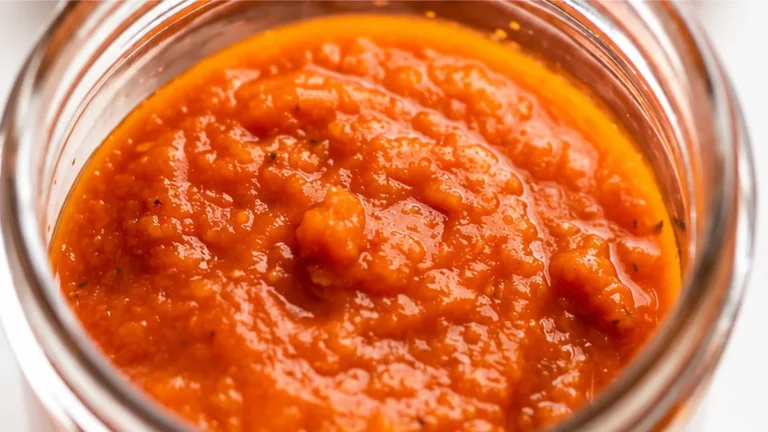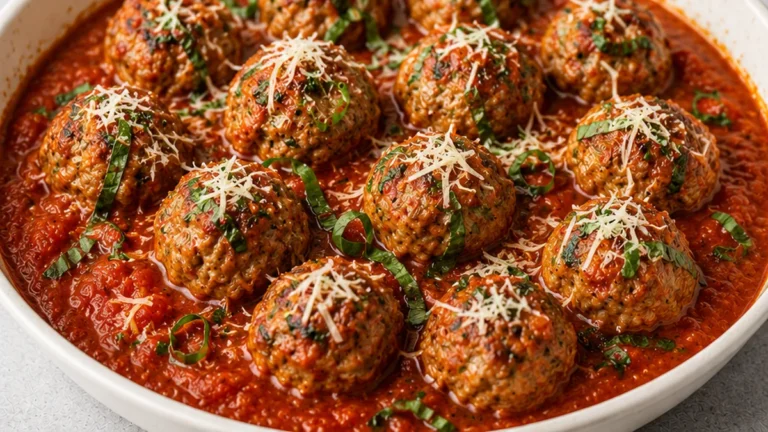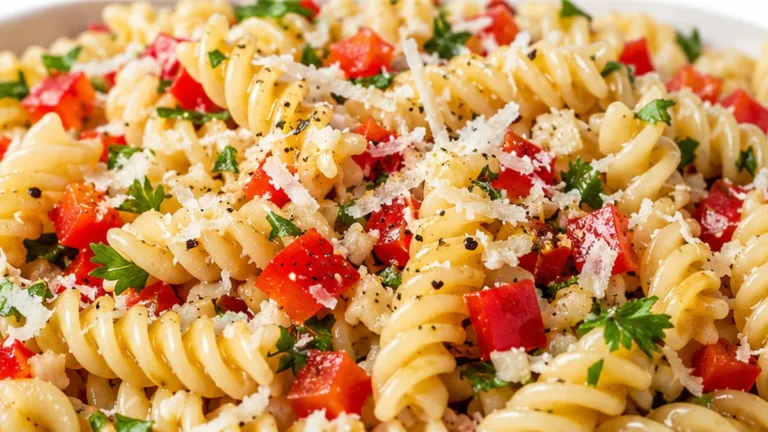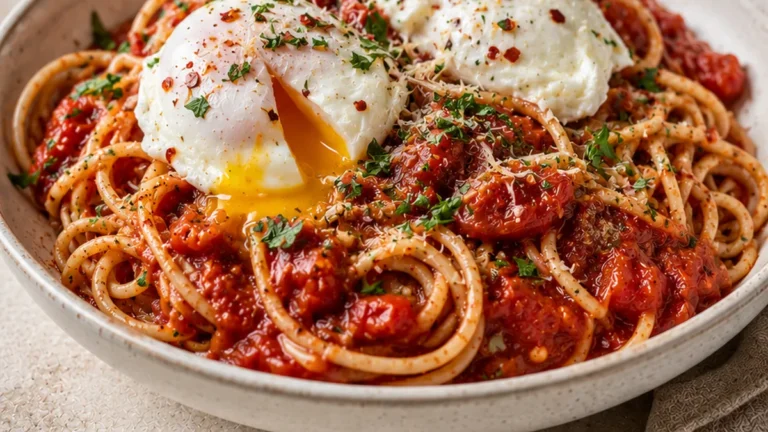
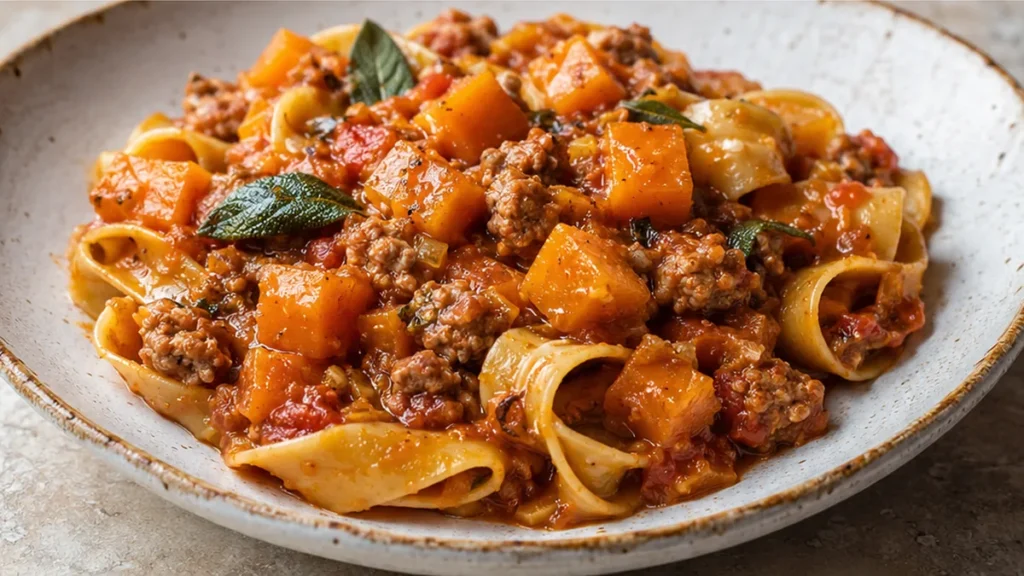
Butternut squash ragu is a comforting and deeply flavorful pasta dish that’s perfect for cooler weather. This recipe elevates a classic ragu with the sweetness of roasted butternut squash and the spicy kick of Italian sausage, creating a complex yet approachable meal. The combination of textures and flavors makes this butternut squash ragu truly special, appealing to both seasoned cooks and those looking for an exciting new weeknight dinner. It’s a hearty dish that feels gourmet but is surprisingly simple to prepare, making it a fantastic addition to your culinary repertoire.
Key takeaways
- Render sausage fat slowly for a flavorful base.
- Build aromatics by sautéing onion and garlic until softened.
- Deglaze with red wine to capture browned bits for depth.
- Simmer slowly to meld flavors and tenderize squash.
Creamy Butternut Squash Ragu: Your New Favorite Pasta!
Ingredients
- 2 tablespoons extra virgin olive oil
- 1 pound ground spicy Italian sausage
- 1/2 sweet onion, chopped
- 3 garlic cloves, smashed
- kosher salt and pepper
- 1 1/2 cups cubed butternut squash
- 1 can (28 ounce) San Marzano tomatoes
- 1/2 cup red wine
- 1 bay leaf
- 4 fresh sage leaves
Instructions
- Preheat the oven to 425 degrees F. Heat the olive oil in a large skillet set over medium heat. When the oil shimmers, add the sausage, onion, and garlic and cook until the sausage has browned all over, about 8-10 minutes. Season with salt and pepper.
- Stir in the butternut squash and continue cooking until the squash is golden on the edges, about 5 minutes. Remove from the heat and stir in all of the tomatoes, wine, bay leaf, and sage. Arrange the butter slices over top.
- Transfer to the oven and roast for 30-35 minutes or until the squash is soft and the sauce thickened. Remove the bay leaf.
- Meanwhile, bring a large pot of salted water to a boil. Cook the pasta according to package directions until al dente. Drain.
- Stir the pasta into the Ragu sauce. Divide the pasta among plates and top with burrata and parmesan. EAT.
Notes
The Technique That Makes It: Building Flavor Layers
The magic of this butternut squash ragu lies in the careful layering of flavors and textures, starting with the foundation of aromatics and expertly cooked sausage. The process begins with rendering the spicy Italian sausage. This isn’t just about browning; it’s about creating a flavorful fat base by allowing the sausage to cook slowly enough to release its rendered fat, which then becomes the medium for sautéing the onion and garlic. This fat carries the savory, spicy notes of the sausage throughout the dish. The addition of sweet onion and smashed garlic, cooked until softened and fragrant, builds another aromatic layer. Smashed garlic cloves, as opposed to minced, release their flavor more gradually and are less likely to burn, contributing a mellow garlic essence. The cubed butternut squash is then introduced, not to be fully cooked at this stage, but to soften slightly in the rendered fat and aromatics, absorbing some of the initial savory notes before the tomatoes are added. The San Marzano tomatoes provide a sweet, acidic base, while the red wine deglazes the pan, lifting any browned bits (fond) from the bottom of the pot – this fond is pure flavor. Simmering with the bay leaf and fresh sage allows these herbs to infuse their earthy, slightly peppery notes into the ragu. The slow simmer is crucial for melding these components and allowing the butternut squash to become tender and slightly break down, thickening the sauce naturally.
Troubleshooting
- Problem: Ragu is too thin.
Fix: Simmer uncovered for an additional 15-30 minutes to allow excess liquid to evaporate. Alternatively, mash some of the cooked butternut squash pieces against the side of the pot to release their starches and thicken the sauce.
- Problem: Sausage is dry and crumbly.
Fix: Ensure the sausage is not overcrowded in the pan and is cooked over medium heat, allowing the fat to render slowly. Avoid stirring too frequently in the initial browning stage.
- Problem: Garlic tastes burnt.
Fix: Smash the garlic cloves instead of mincing, and add them after the onion has softened. Cook the garlic only until fragrant, about 1 minute, before adding liquids to prevent scorching.
- Problem: Sage leaves are bitter.
Fix: Use fresh sage leaves and add them during the simmering stage rather than sautéing them initially. Remove the bay leaf and any tough sage stems before serving.
Substitutions
- Butternut Squash: Acorn squash or kabocha squash can be substituted. The texture will be similar, though flavor nuances may vary slightly. Ensure they are peeled and cubed to the same size.
- Spicy Italian Sausage: Mild Italian sausage or even ground pork with added red pepper flakes can be used. The spice level will be reduced, but the savory pork flavor will remain. For a vegetarian option, use plant-based Italian sausage or omit and increase the vegetables, adding a pinch of smoked paprika for depth.
- Red Wine: Beef broth or vegetable broth can be used as a substitute for red wine. The ragu will lack the slight acidity and depth that wine provides, but the savory notes will still be present.
- San Marzano Tomatoes: Any high-quality canned whole peeled tomatoes can be used. Crush them by hand or with a spoon before adding to the pot. The sweetness and acidity profile might differ slightly.
Pro tips
- For a deeper flavor, allow the ragu to simmer on the stovetop for an extra 15-20 minutes after roasting, ensuring all the flavors meld beautifully.
- Ensure your ground Italian sausage reaches an internal temperature of 160°F (71°C) during cooking for food safety.
- Store leftover ragu in an airtight container in the refrigerator for up to 3 days, or freeze for up to 2 months. Reheat gently on the stovetop with a splash of broth or water to maintain consistency.
This Butternut Squash Ragu is a testament to how simple ingredients can create extraordinary flavors. Give it a try and savor the warmth and richness it brings to your table! Enjoy!
Frequently asked questions
Can I make this ragu ahead of time?
Yes, this ragu can be made a day or two in advance. The flavors will meld and deepen overnight, making it even more delicious. Reheat gently on the stovetop over low heat, adding a splash of water or broth if it seems too thick.
What kind of pasta works best with this ragu?
Hearty pasta shapes that can hold the chunky ragu well are ideal. Think rigatoni, pappardelle, fettuccine, or even penne. The texture of the pasta should complement the rich, thick sauce.
How can I make this ragu spicier?
To increase the heat, use hot Italian sausage instead of spicy. You can also add a pinch of red pepper flakes along with the garlic and onion, or stir in a dash of your favorite hot sauce at the end of cooking.
Is it necessary to peel the butternut squash?
Yes, it is essential to peel the butternut squash before cubing and adding it to the ragu. The skin is tough and does not soften sufficiently during cooking, making it unpleasant to eat in the finished dish.
More from Creamy Pasta Recipes →