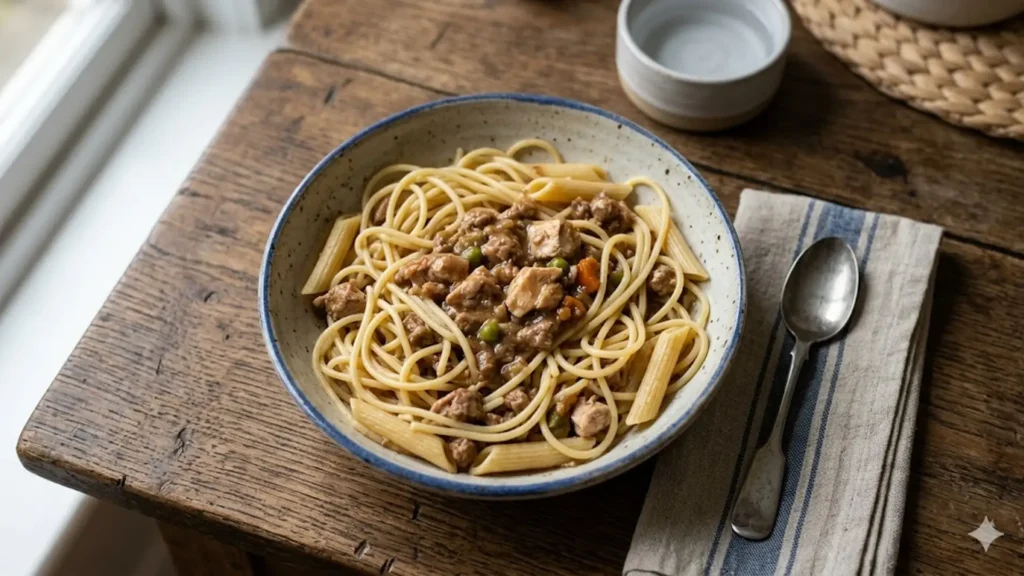
Can dogs eat pasta is one of the most common questions dog owners ask after a noodle hits the kitchen floor, and the short answer is that plain, cooked pasta is not toxic to dogs in small amounts, but it is not good for them either. I think about noodles in human terms all day, so it is worth being precise about what changes when the eater has four legs. Plain pasta is essentially empty calories for a dog, the sauce is where the real danger lives, and portion size matters far more than it does for people. This guide walks through exactly when pasta is safe, how much is too much based on your dog’s weight, which ingredients are genuinely toxic, the allergy and health situations that change the answer, and what to do if your dog eats something it should not have. None of this replaces your veterinarian, who knows your specific dog.
The reason this question deserves a careful answer is that the difference between a harmless treat and a vet visit is usually not the pasta at all. It is the garlic, onion, salt, butter, and cheese that come with it. Understanding that distinction is the whole game.
Is Plain Cooked Pasta Safe for Dogs?
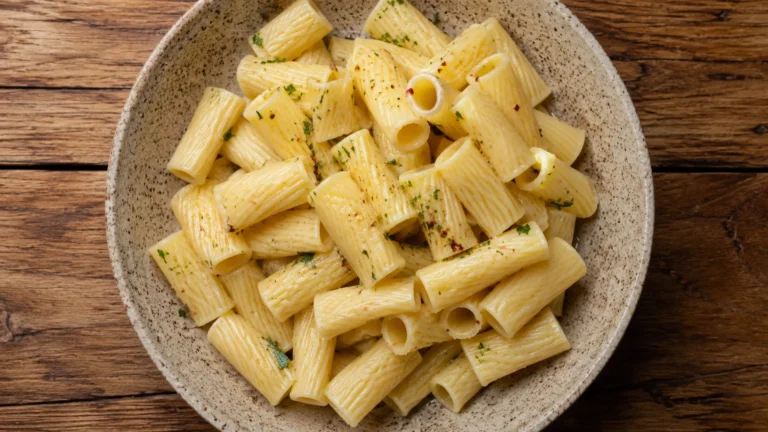
Plain cooked pasta, made from just wheat flour and water, contains nothing toxic to a healthy dog. A small piece of cooked spaghetti or a few plain penne as an occasional treat will not harm most dogs. Their digestive systems can handle small amounts of cooked starch without trouble.
The catch is that pasta offers a dog almost no nutritional value. Dogs are built to get most of their energy and nutrients from protein and fat, and a balanced commercial dog food already provides everything they need. Pasta is mostly carbohydrate, which translates to calories without much benefit. So while plain pasta is safe, it should be a rare, tiny treat rather than a regular part of the diet, and it should never crowd out the balanced food your dog actually needs.
It also matters that not all plain pasta is equally harmless. Some packaged or flavored pastas have salt, herbs, or seasonings baked into the dough, and spinach or tomato pastas may carry trace ingredients you would not want to give a dog in quantity. If you are going to share a bite, use the most basic plain wheat pasta you can find, cooked in nothing but water with no salt added. Whole wheat versus white pasta makes little difference to a dog; both are mostly starch and both should be treated as an occasional indulgence rather than a food group.
Why Pasta Sauce Is the Real Danger
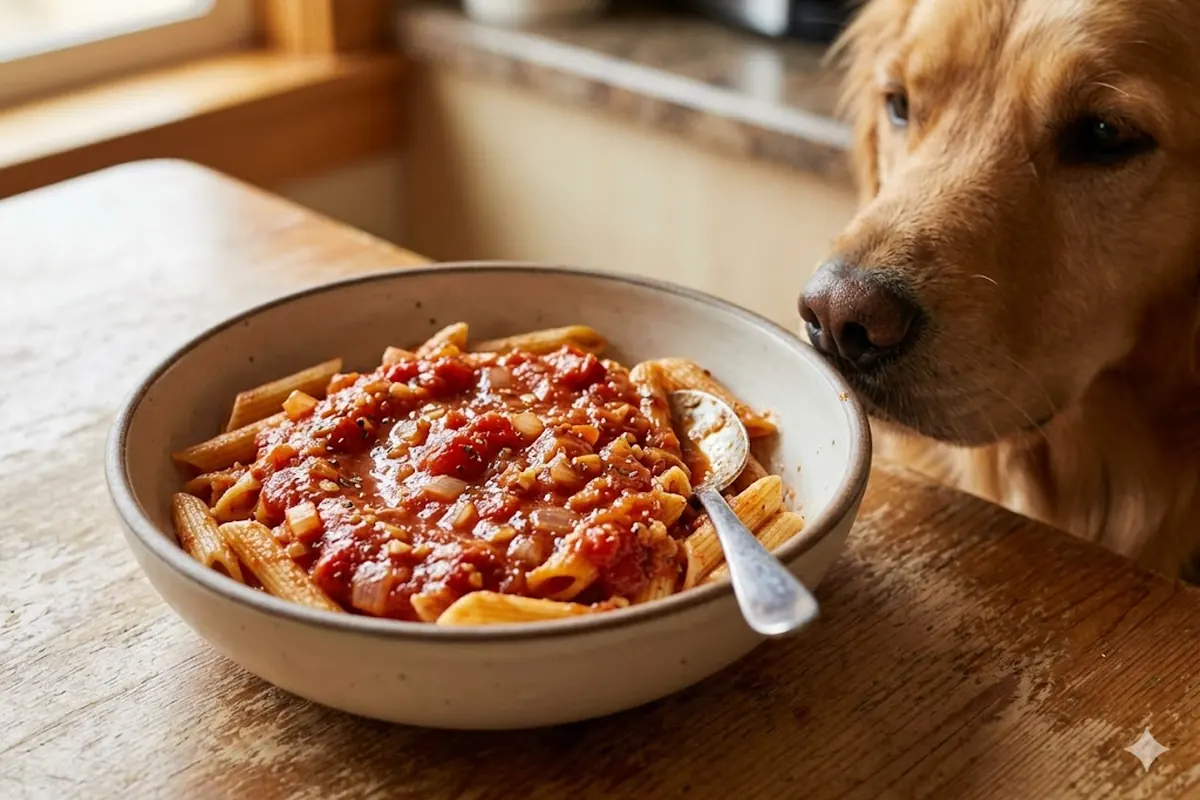
Pasta sauce is where most of the genuine risk lives, and it is the part owners most often overlook. The classic Italian flavor base of garlic and onion is toxic to dogs. Both belong to the allium family, and they can damage a dog’s red blood cells and cause a condition called hemolytic anemia. The danger is dose-dependent and builds up, so even small repeated amounts are a problem, and concentrated forms like garlic powder are especially potent.
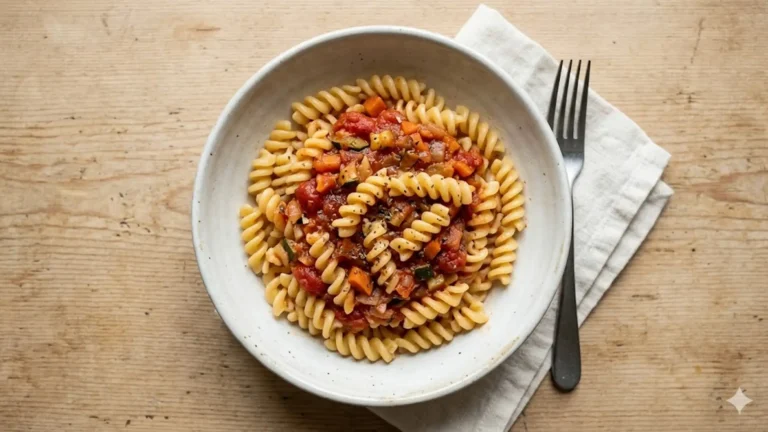
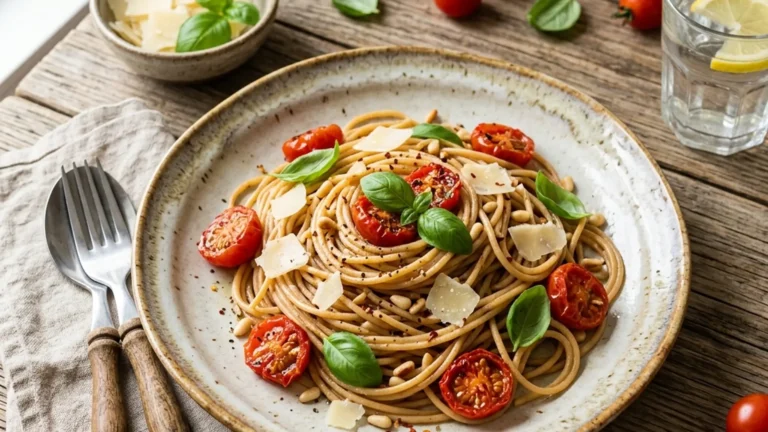
Beyond alliums, common sauce ingredients pile on more trouble. Salt in any quantity is hard on a dog’s system and can cause sodium poisoning at higher doses. Butter, cream, and cheese are fatty and can trigger digestive upset or, in serious cases, pancreatitis, an inflammation of the pancreas that can be life-threatening. Added sugar offers nothing good. This is why the rule is simple and strict: never give a dog pasta that has been cooked or tossed with sauce, salt, oil, garlic, or onion. If you share pasta at all, it must be entirely plain.
A few sauce ingredients deserve a special warning because they are far more dangerous than the rest. Any sauce or dish that contains chocolate, grapes, raisins, or the sweetener xylitol is an emergency, not just an upset stomach, since all of these are seriously toxic to dogs even in small amounts. Creamy pasta dishes and baked pastas sometimes hide these in nearby ingredients or garnishes, so if a dog gets into a plated human meal, think about everything on the plate, not just the noodles. Mushroom sauces, certain herbs, and heavily spiced arrabbiata-style sauces can also cause problems. The safest mental model is to assume that anything that makes pasta taste good to a person is a reason to keep it away from the dog.
How Much Pasta Can a Dog Eat?
Portion size is where dogs and people differ most. A noodle that is a rounding error in a human meal can be a meaningful share of a small dog’s daily calories. The widely used guideline among veterinarians is the ten percent rule: treats and extras, pasta included, should make up no more than ten percent of a dog’s total daily calorie intake, with the other ninety percent coming from balanced dog food.
In practical terms, that means a large dog might safely have a couple of plain cooked noodles as a treat, while a small dog or a puppy should have no more than a tiny bite. A ten-pound dog needs only around two hundred to three hundred calories a day, so even a small plain serving of pasta can eat up a big chunk of its treat allowance. When in doubt, give less than you think, and always count the pasta against the day’s treats rather than on top of a full bowl of food. If your dog is overweight, diabetic, or on a prescription diet, skip the pasta entirely and ask your vet about appropriate treats.
Puppies deserve extra caution. Their digestive systems are still developing and their calorie needs are tightly tied to balanced growth, so extra carbohydrate from pasta can throw off the careful nutrition a puppy needs and can cause loose stools. For a puppy, it is best to skip pasta altogether and rely on puppy-formulated food and treats. Senior dogs and dogs prone to weight gain are similar: the empty calories of pasta are more likely to cause harm than good. The dogs that can most safely enjoy an occasional plain noodle are healthy adult dogs at a good weight with no diagnosed sensitivities, and even for them the operative word is occasional.
Wheat Allergies and Grain Sensitivity
Most dogs digest wheat-based pasta without issue, but a minority have a genuine wheat or grain sensitivity. Food allergies in dogs usually show up as itchy skin, ear infections, or digestive upset like vomiting and diarrhea. If your dog has a diagnosed wheat allergy or you have noticed these symptoms after grain-heavy foods, pasta is not a good treat choice for that dog.
This is different from the grain-free trend in marketing, which is not necessarily healthier for most dogs and has been the subject of veterinary concern in some cases. The point here is narrower: a dog with a real wheat sensitivity should avoid wheat pasta, and you would choose a different plain treat like a piece of carrot or plain cooked plain rice instead. If you suspect an allergy, your vet can help identify it rather than guessing.
True dietary allergies in dogs are actually less common than owners assume, and most reactions to food are mild sensitivities rather than dangerous allergies. Still, the only way to know for sure is a proper elimination diet supervised by a veterinarian, not trial and error with table scraps. Until you know, the conservative move is to keep wheat pasta off the menu for any dog showing chronic itching or digestive trouble.
Cooked Versus Raw Pasta
Never give a dog raw, uncooked pasta. Dry pasta is hard, sharp-edged, and difficult to digest. It can be a choking hazard, can scratch the mouth and throat, and can cause digestive distress including vomiting, diarrhea, or even an intestinal blockage in a dog that swallows a large rigid piece. Cooking softens the pasta so it is easy to chew and digest.
If your dog snatches a stray dry noodle off the floor, a single small piece is unlikely to cause serious harm, but it is not something to offer on purpose. Always cook pasta fully and let it cool before offering even a small plain piece. The shapes that are most likely to cause trouble are the large, hard, rigid ones, so a long dry spaghetti strand or a big dry shell is more of a hazard than a small soft cooked bite.
Better Treats Than Pasta
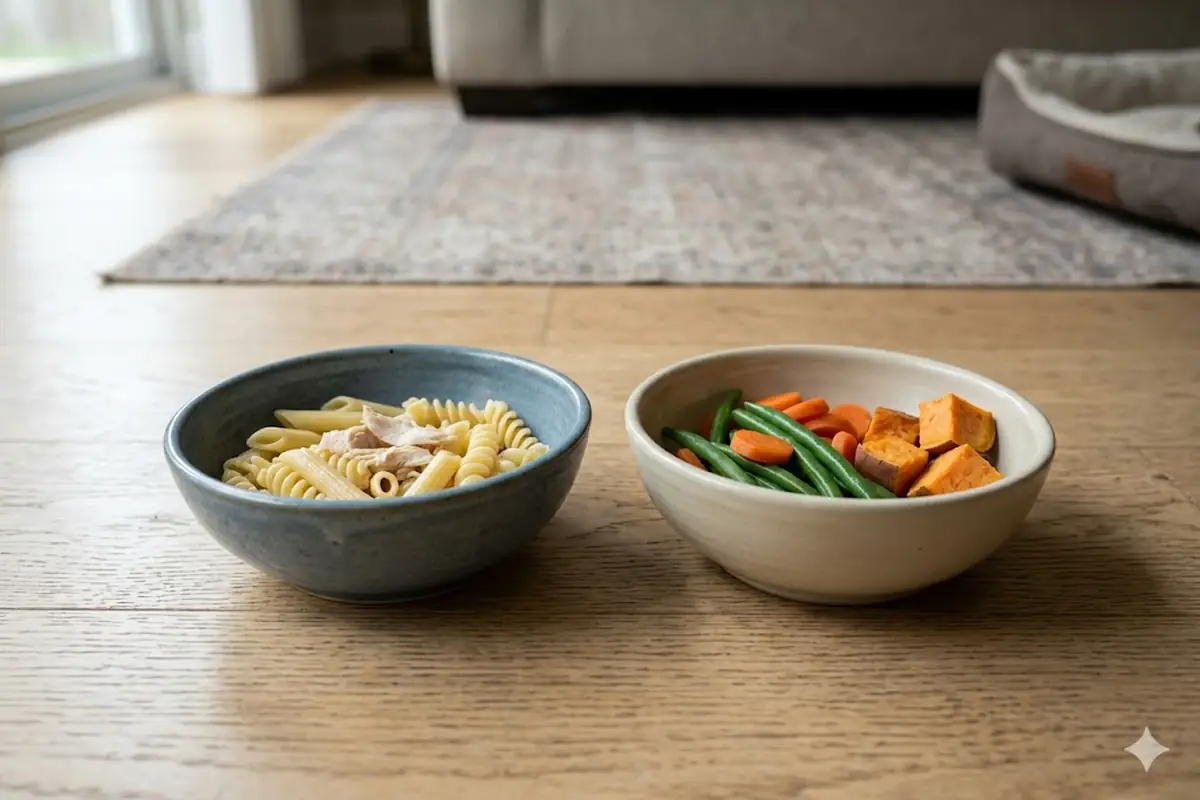
Since pasta is empty calories for a dog, there are better ways to share a snack. Plain cooked vegetables like carrots, green beans, and plain pumpkin give fiber and vitamins with fewer calories. A small piece of plain cooked lean meat with no seasoning is far more in line with what a dog’s body actually wants. Commercial treats formulated for dogs are balanced for their needs and portioned for training.
If you enjoy cooking and want to share the kitchen experience with your dog, set aside a small portion of plain unseasoned ingredients before you add the salt, oil, garlic, and sauce that make the dish good for humans. That way the human plate stays flavorful, drawing on the kind of sauces I cover in my homemade pasta and different types of pasta guides, while the dog gets a safe plain bite. For authoritative pet nutrition guidance, the veterinarians at PetMD are a reliable starting point, and broader cooking technique from sources like America’s Test Kitchen can help you keep the human and dog portions cleanly separated.
How to Safely Share a Plain Bite
If you have decided your healthy adult dog can have an occasional plain noodle, a little method keeps it safe. Set aside a small portion of the pasta before you add anything to the pot. That means scooping out a noodle or two as soon as it is cooked, before salt, oil, or sauce ever touch it. Let it cool to room temperature so it does not burn the dog’s mouth, and break it into small pieces appropriate for the dog’s size to avoid any choking risk.
Offer it as a standalone treat or use it as a high-value reward during training rather than mixing it into the dog’s regular food, which can encourage picky eating or expectations of table scraps. Introduce any new food in a tiny amount first and watch for a day to make sure it agrees with your dog. If you see vomiting, diarrhea, or any unusual behavior afterward, that dog should not have pasta again, and you should mention it to your vet at the next visit. A consistent rule that the dog only ever gets plain, cooled, small pieces is far easier to keep than trying to judge each sauced dish on the fly.
What to Do if Your Dog Eats Sauced Pasta
If your dog eats pasta with garlic, onion, or a lot of sauce, do not panic, but do pay attention. Note roughly how much it ate and what was in the sauce. Small amounts may cause only mild stomach upset, but garlic and onion toxicity can take a day or two to show up as symptoms like weakness, pale gums, reduced appetite, vomiting, or dark urine.
Call your veterinarian or an animal poison control line if your dog ate a meaningful amount of garlic or onion, a large quantity of salt, or a very rich fatty sauce, especially if your dog is small. Watch for signs of digestive distress over the next day or two and seek care if they appear or worsen. When you are unsure whether the amount was dangerous, it is always better to make the call than to wait, because the cost of asking is nothing and the cost of missing a problem can be high.
Frequently Asked Questions
Can dogs eat plain spaghetti?
Yes, a small amount of plain cooked spaghetti with no salt, oil, or sauce is safe for most healthy dogs as an occasional treat. It has little nutritional value, so keep the portion tiny and count it within the ten percent of daily calories that treats should not exceed.
Is pasta sauce safe for dogs?
No. Most pasta sauces contain garlic and onion, which are toxic to dogs and can damage their red blood cells, plus salt, fat, and sometimes sugar that cause further problems. Never give a dog pasta that has been cooked or mixed with sauce, only plain cooked pasta if anything at all.
How much pasta can my dog have?
Very little. Pasta and other treats together should stay under ten percent of your dog’s daily calories. A large dog might handle a couple of plain noodles, while a small dog or puppy should get no more than a tiny bite. When unsure, give less and ask your veterinarian.
Can dogs eat raw or uncooked pasta?
No, raw pasta is hard and sharp and can be a choking hazard or cause digestive distress and even blockage. Always cook pasta fully and let it cool before offering a small plain piece. A single stray dry noodle is usually not an emergency but should not be given on purpose.
Can pasta make my dog sick?
Plain cooked pasta in a small amount rarely causes problems, but too much can cause bloating, gas, weight gain, and in some cases pancreatitis from rich additions. Sauced pasta with garlic or onion can cause toxicity. Dogs with wheat allergies may react to the wheat itself.
Are there better treats than pasta for dogs?
Yes. Plain cooked carrots, green beans, plain pumpkin, or a small piece of unseasoned lean meat give more nutrition with fewer empty calories. Treats formulated for dogs are balanced and portioned appropriately. Pasta is fine as a rare bite but is not a good regular snack.
Can puppies eat pasta?
It is best to avoid giving pasta to puppies. Their digestive systems are still developing and their nutrition needs to be carefully balanced for growth, so extra carbohydrate can cause loose stools and crowd out the puppy food they actually need. Stick to puppy-formulated food and treats and ask your veterinarian before introducing any human food.
What pasta sauce ingredients are most dangerous for dogs?
Garlic and onion are the most common dangers because they damage a dog’s red blood cells. Chocolate, grapes, raisins, and the sweetener xylitol are even more toxic and count as emergencies. Salt, butter, cream, and cheese cause digestive upset and can trigger pancreatitis. Keep all of these away from your dog.
So can dogs eat pasta? A tiny bit of plain cooked pasta now and then will not hurt a healthy dog, but it brings no real benefit, and the sauce that makes pasta worth eating for us is exactly what makes it dangerous for them. Keep any shared bite small, plain, and rare, watch the portion against your dog’s size, and call your vet whenever the sauce or the amount has you wondering.