Low protein pasta is a specialty food designed for people who must strictly limit protein, most often those managing chronic kidney disease before dialysis or the metabolic disorder phenylketonuria, known as PKU. I spend most of my time chasing more flavor and better texture, but this is one case where the goal is the opposite of the usual protein-boosting trend: the point is to deliver the comfort and calories of pasta while keeping protein as low as possible. This guide explains what low protein pasta actually is, who genuinely needs it, how it differs from regular and high-protein pasta, which lower-protein options exist, and how to cook and sauce it so it still tastes good. None of this replaces medical advice, and anyone on a prescribed low-protein diet should work with their doctor or renal dietitian.
The confusion around this topic is real, because most modern food marketing pushes protein as a benefit. For a specific group of people, extra protein is a problem, and ordinary pasta or trendy chickpea pasta can be exactly the wrong choice. Getting the distinction right matters for health, not just taste.
What Low Protein Pasta Actually Is
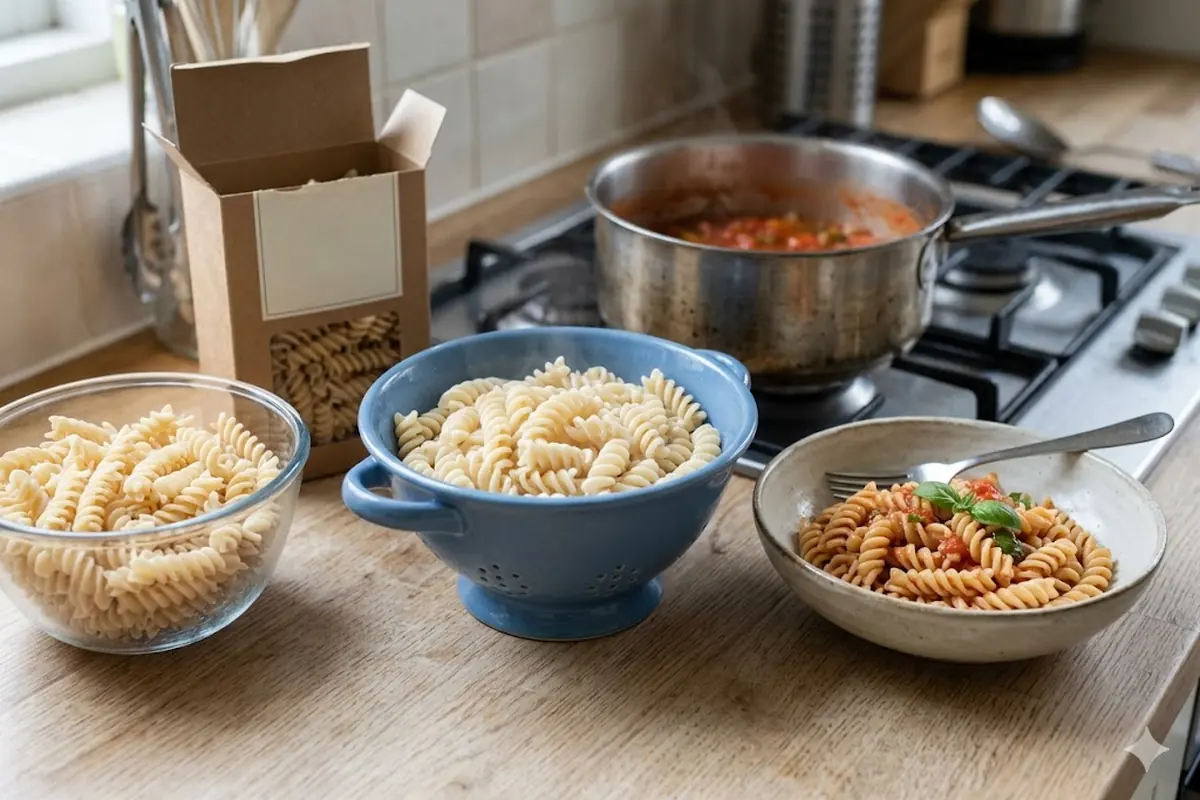
Low protein pasta is made from starches rather than from protein-rich wheat semolina. Conventional dry pasta is built on durum wheat, which is high in gluten protein. A standard one-cup cooked serving of regular white pasta provides roughly seven grams of protein. Low protein versions are engineered to cut that dramatically, often down to one gram or less per serving, by replacing most of the wheat protein with starch from wheat, corn, tapioca, or potato.
These products are usually classified as foods for special medical purposes, which means they are formulated and sold specifically for the dietary management of medical conditions. Brands such as Loprofin, Aproten, and Promin make low protein spaghetti, fusilli, penne, and fettuccine that look and cook much like ordinary pasta but carry a fraction of the protein. They are not the same as gluten-free or low-carb pasta, and they are not a general health food.
The way these pastas hit such low numbers is worth understanding. Manufacturers start from refined starch and remove or never include the protein fraction of the grain. Wheat starch, for example, can be separated from wheat gluten, leaving behind a starch that behaves like pasta in the pot but contributes almost no protein. Corn, tapioca, and potato starches are blended in to fine-tune texture and bite. The result is a noodle that delivers carbohydrate energy and the familiar shape and chew of pasta while keeping the protein load minimal, which is precisely what a restricted diet needs from a staple food.
Because they are medical foods, these pastas are often more expensive than supermarket pasta and may be partly covered by health systems or insurance when prescribed for a diagnosed condition. In many countries they are dispensed through pharmacies or specialist suppliers rather than stocked on grocery shelves, which is another reason they should be sourced through a care team that knows the patient’s prescription.
Who Actually Needs a Low Protein Diet
Two main groups are medically advised to limit protein. The first is people with chronic kidney disease who are not yet on dialysis. When the kidneys are impaired, the urea and other waste products from protein metabolism build up in the blood, and a reduced-protein diet eases that load and can slow the progression of kidney decline. Once a person starts dialysis, protein needs often go back up, which is why this is a decision for a nephrologist and renal dietitian, not a self-prescribed plan.
The second group is people with PKU, an inherited metabolic disorder in which the body cannot break down the amino acid phenylalanine. Because phenylalanine is part of protein, people with PKU must keep dietary protein very low for life and rely on specially formulated low protein staples like these pastas. For both groups, low protein pasta is a way to keep meals filling and satisfying while staying inside a strict protein budget.
If you do not fall into one of these categories, you almost certainly do not need low protein pasta. For most people, the protein in regular pasta is harmless or even useful. This is a targeted medical food, and using it without a clinical reason simply removes nutrition you would otherwise benefit from.
There is also a smaller group worth mentioning: people with certain liver conditions or other rare metabolic disorders are sometimes placed on protein-restricted diets by their physicians. The principle is the same. The restriction is set by a clinician based on blood work and the specific condition, and the food choices follow that prescription. Low protein pasta is one of several specially formulated staples, alongside low protein breads, flours, and milk substitutes, that exist so these patients can eat a varied, satisfying diet without exceeding their limits. The common thread across every group is that the diet is medically directed, monitored with regular testing, and adjusted over time, never something a person should set for themselves based on a label or a trend.
Low Protein Pasta Versus Regular and High Protein Pasta
It helps to see the three categories side by side. Regular wheat pasta sits in the middle at about seven grams of protein per cooked cup. High protein pastas, such as Barilla Protein Plus or legume-based pastas made from chickpea, lentil, or pea flour, push that up to ten grams or more per two-ounce dry serving, which is great for athletes and the opposite of what a kidney patient on a low protein diet should eat. Low protein medical pasta drops to around one gram per serving.
This is the trap many people fall into. Chickpea and lentil pasta is widely sold as a healthy choice, and for general nutrition it often is. But for someone managing kidney disease, those legume pastas are among the highest-protein options on the shelf and can work directly against the diet. Always read the label, because the marketing on the front of the box rarely tells you what the renal diet needs to know.
It also helps to think about protein quality, not just quantity, when a clinician is involved. Low protein diets for kidney disease aim to reduce the metabolic workload, while diets for PKU specifically target one amino acid, phenylalanine. That is why two patients on low protein diets might get slightly different guidance about which foods and how much. A renal dietitian may allow occasional small portions of higher-protein foods within a daily budget, while a PKU diet counts phenylalanine in milligrams. The pasta is the same low protein staple in both cases, but the surrounding plan differs, which is one more reason these diets are individualized rather than one-size-fits-all.
Lower Protein Options You Can Buy at a Regular Store
Dedicated medical low protein pastas are typically bought online or through a pharmacy. If you need a moderately lower protein option from an ordinary grocery store, some standard products are naturally lower in protein than wheat pasta. Cassava-based pasta is among the lowest-protein widely available types. Gluten-free pastas made primarily from white rice and corn are generally lower in protein than wheat pasta, though they are not as low as the medical formulations.
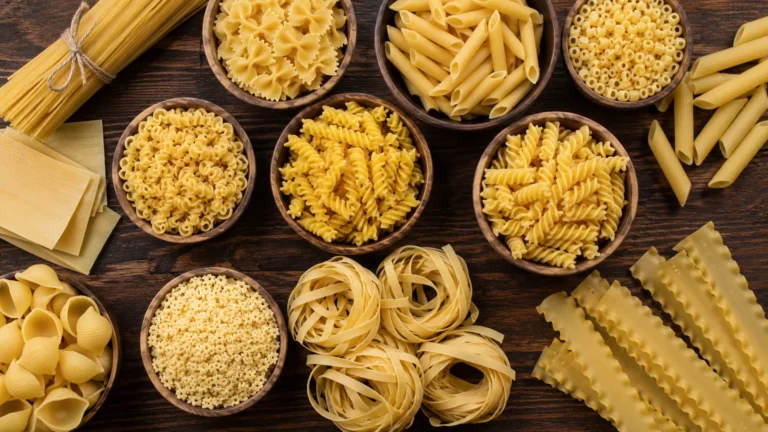
These are not substitutes for prescribed medical pasta if your protein limit is strict, but they can be useful for a moderate reduction or for variety. Always compare the nutrition panel, since rice-and-corn blends vary widely. For a broader look at how starches behave when wheat is removed, my guide to low carb pasta alternatives covers the texture trade-offs of non-wheat noodles, and the different types of pasta guide explains how shape affects how much sauce, and therefore how much added protein, clings to each piece.
How to Cook Low Protein Pasta Without Ruining It
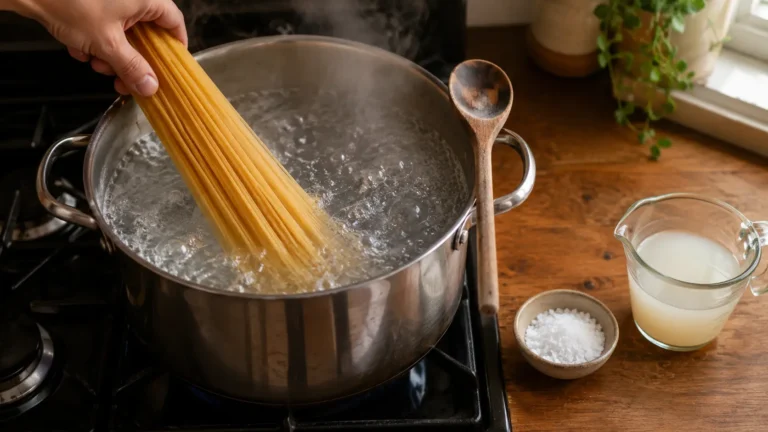
Low protein pasta behaves differently from wheat pasta because it lacks the gluten that gives wheat noodles their bite and structure. Without gluten, these noodles are more fragile and can turn mushy or sticky if overcooked, so the cooking window is narrower. The single most important rule is to follow the package timing closely and start testing for doneness a minute or two early.
Use plenty of water and a gentle boil rather than a hard rolling one, which can batter the softer noodles apart. Stir early to prevent sticking, and avoid rinsing unless the package says to, since the starch helps a sauce cling. Because these pastas release more loose starch, the cooking water can get gummy, so do not rely on it as heavily for sauce-building as you would with wheat pasta. Drain promptly and dress immediately, because low protein pasta firms and clumps quickly as it cools.
A few small habits make a big difference with these starchy noodles. Salting the water is still worthwhile for flavor, though if you are on a sodium restriction, check with your dietitian about how much, if any, to add. A teaspoon of oil tossed with the drained pasta keeps the strands from gluing together while you finish the sauce. If you are reheating leftovers, do it gently with a splash of water, because microwaving low protein pasta on high tends to turn it gummy and pasty. And serve smaller batches fresh rather than cooking a big pot to reheat, since these noodles are at their best straight out of the pot.
Sauces That Fit a Low Protein Diet
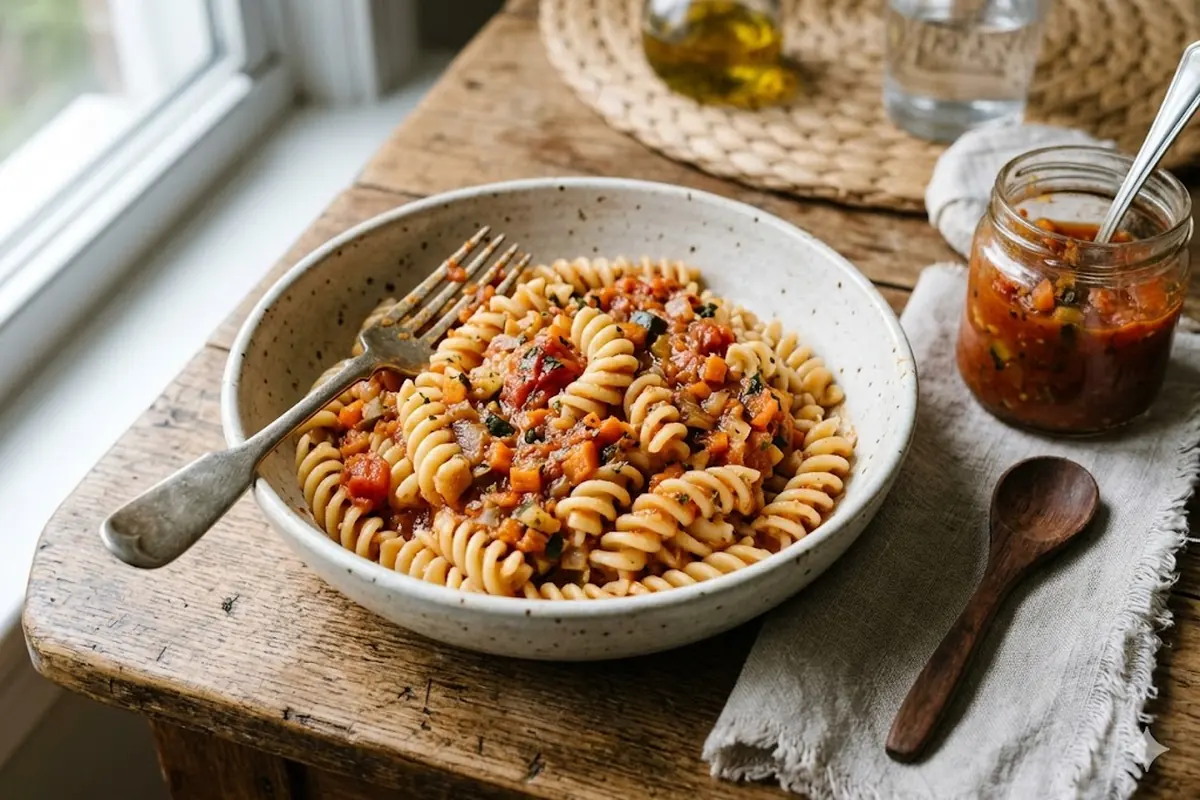
The pasta is only half the meal; the sauce can blow the diet if you are not careful. Many jarred tomato sauces are high in sodium and potassium, both of which kidney diets often restrict, and cheese and meat sauces add exactly the protein you are trying to avoid. A simple garlic and olive oil dressing is one of the safest choices, since it adds flavor and calories without protein, sodium, or potassium concerns.
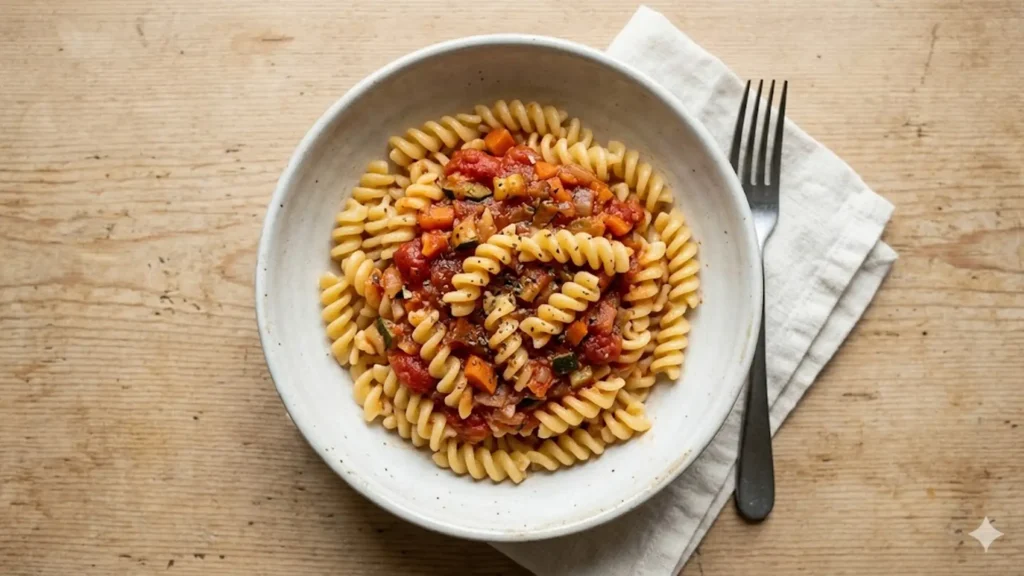
Homemade is the way to stay in control, because you set the salt and skip the high-potassium or high-protein additions. A light tomato sauce made from low-sodium tomatoes, herbs, and oil works well, and you can lean on garlic, lemon, herbs, and spices to make a low protein plate taste like a real meal. Pair the pasta with small amounts of allowed vegetables rather than meat or cheese, and treat any protein on the plate as a measured side, not the centerpiece. Trusted recipe sources like America’s Test Kitchen are useful for technique, and authoritative dietary guidance for kidney patients is published by the National Kidney Foundation.
Reading the Label Like a Lab Technician
For anyone on a strict protein limit, the nutrition label is the only thing that matters, not the marketing. Check the protein grams per serving first, then confirm the serving size, because manufacturers sometimes list small servings that make the numbers look lower than a realistic plate. Next, scan sodium and, if your diet requires it, potassium and phosphorus, since renal diets often limit all three. Compare the cooked versus dry serving if both are listed, because pasta roughly doubles in weight when cooked and the per-serving figures shift accordingly. When in doubt, photograph the label and bring it to your dietitian.
Building a Satisfying Low Protein Plate
The goal of low protein pasta is to make the noodle the generous, filling center of the plate so the meal feels complete without leaning on protein. Start with a full portion of the pasta, dress it with a no-protein sauce like garlic and oil or a light herb tomato sauce, and build flavor and bulk with allowed vegetables rather than meat or cheese. Roasted zucchini, bell peppers, or eggplant add volume, color, and taste with minimal protein. Fresh herbs, a squeeze of lemon, chili flakes, and good olive oil do the heavy lifting on flavor.
If your plan allows a small measured amount of protein, treat it as a garnish: a few shavings of a strong cheese go further than a handful of mild one, and a small portion of fish or chicken can be diced and scattered rather than served as a slab. This is the same plating philosophy chefs use to make vegetable-forward dishes feel rich, and it works perfectly for a diet where protein is the thing being rationed.
Frequently Asked Questions
Is low protein pasta the same as gluten-free pasta?
No. Gluten-free pasta removes gluten but can still contain meaningful protein from rice, corn, or legumes, and legume-based gluten-free pasta is actually high in protein. Medical low protein pasta is specifically engineered to be very low in total protein, often around one gram per serving, which is a different goal entirely.
How much protein is in regular pasta versus low protein pasta?
A cooked cup of regular wheat pasta has about seven grams of protein. Dedicated low protein medical pasta is formulated down to roughly one gram or less per serving. High-protein legume pastas go the other direction, often ten grams or more per dry serving, so they are the wrong choice for a low protein diet.
Who should eat low protein pasta?
It is intended for people with chronic kidney disease who are not on dialysis and for people with PKU, both of whom must strictly limit protein. These are medical diets that should be supervised by a doctor and a dietitian. People without a clinical reason to restrict protein do not need it.
Can I just eat less regular pasta instead?
Eating a smaller portion of regular pasta lowers your total protein, but it also lowers the calories and the satisfying portion size, which can make a restricted diet hard to sustain. Low protein pasta lets you eat a full, filling plate while keeping protein very low, which is its main advantage for people who need it.
Why does my low protein pasta turn mushy?
Low protein pasta lacks gluten, so it is more fragile and overcooks faster than wheat pasta. Use a gentle boil, test for doneness a minute or two before the package time, drain promptly, and sauce it immediately. Treat the cooking window as shorter and less forgiving than regular pasta.
What sauces work best with low protein pasta?
Simple garlic and olive oil, or a homemade low-sodium tomato sauce with herbs, are good choices because they add flavor without significant protein, sodium, or potassium. Avoid cheese, cream, and meat sauces, which add the protein you are trying to limit, and be cautious with jarred sauces that can be high in sodium.
Where can I buy low protein pasta?
Dedicated medical low protein pastas from brands like Loprofin, Aproten, and Promin are usually sold through pharmacies, specialist online suppliers, or prescribed through a health system rather than stocked in regular grocery stores. If you have a diagnosed condition, ask your dietitian which products and suppliers they recommend, as some may be partly covered when prescribed.
Low protein pasta is a precise tool for a specific medical need, not a general health swap. If you or someone you cook for is managing kidney disease or PKU, it can make a restricted diet feel normal again. Read every label, keep the sauces simple and homemade, and let your care team set the targets that the food has to meet.