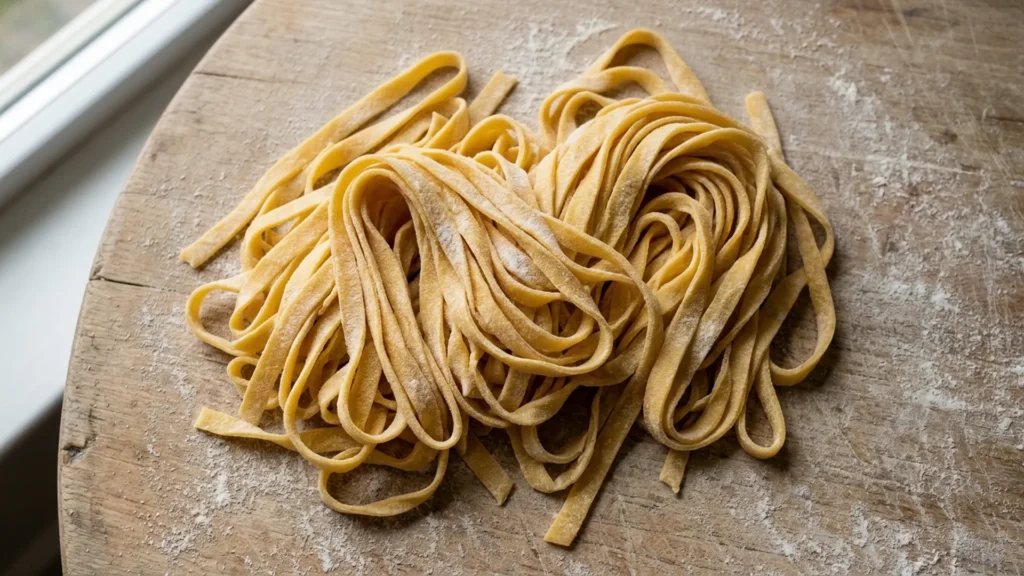
Fresh pasta is pasta made from a soft dough of flour and eggs that is rolled and cut but never dried, which gives it a tender, silky texture and a cook time of just a few minutes. It is the kind you find in the refrigerated case or roll out by hand at home, and it behaves very differently from the dried boxed pasta in your pantry. Fresh pasta is smoother and more delicate, it soaks up light sauces beautifully, and it carries a richer flavor from the eggs in the dough. Knowing how it is made, how to cook it, and when to reach for it instead of dried pasta is what turns it from an occasional treat into a regular pleasure.
This guide explains exactly what sets fresh pasta apart, walks you through making a basic dough from scratch as well as choosing a good store-bought version, and shows you how to cook, store, and sauce it so it shines. We will compare it head to head with dried pasta, break down the flours that go into the dough, and help you decide which one belongs in any given dish. Fresh pasta is simpler than its reputation suggests, and a little knowledge goes a long way.
What is fresh pasta?
Fresh pasta is dough that has been made, rolled, and shaped but not dried for storage. The classic version is built from soft wheat flour and whole eggs, which give the dough its golden color, supple feel, and rich taste. Because it still holds a high moisture content, fresh pasta is pliable rather than brittle, it cooks in a fraction of the time dried pasta needs, and it has a noticeably softer, more yielding bite once cooked.
Dried pasta, by contrast, is usually made from durum semolina and water, then extruded into shapes and dried hard so it can sit on a shelf for a year or more. That difference in ingredients and process is the whole story. The egg and soft flour in fresh pasta make it silky and quick-cooking, while the semolina and drying in dried pasta make it firm, chewy, and shelf-stable. Neither is better in the abstract; they simply suit different dishes, which we will get into below.
The flours behind fresh pasta
The flour you choose shapes the dough’s texture and workability. Most fresh pasta uses one of three flours, often in combination, and each brings something different to the table.
| Flour | What it does | Best for |
|---|---|---|
| 00 flour (doppio zero) | Finely milled, silky, tender dough | Delicate egg pasta, filled shapes |
| Semolina | Coarser, adds bite and structure | Sturdier shapes, eggless dough |
| All-purpose flour | Widely available, reliable middle ground | Everyday homemade pasta |
Many home cooks blend 00 and semolina to get both tenderness and structure, but you can make excellent fresh pasta with plain all-purpose flour if that is what you have. The flour matters, but technique matters more, so do not let a missing bag of 00 stop you from starting. If you are buying flour specifically for pasta, a bag of 00 and a bag of semolina will cover almost any shape you want to make, and both keep well in the pantry for months, so the small investment pays off across many batches of fresh pasta.
How to make fresh pasta from scratch
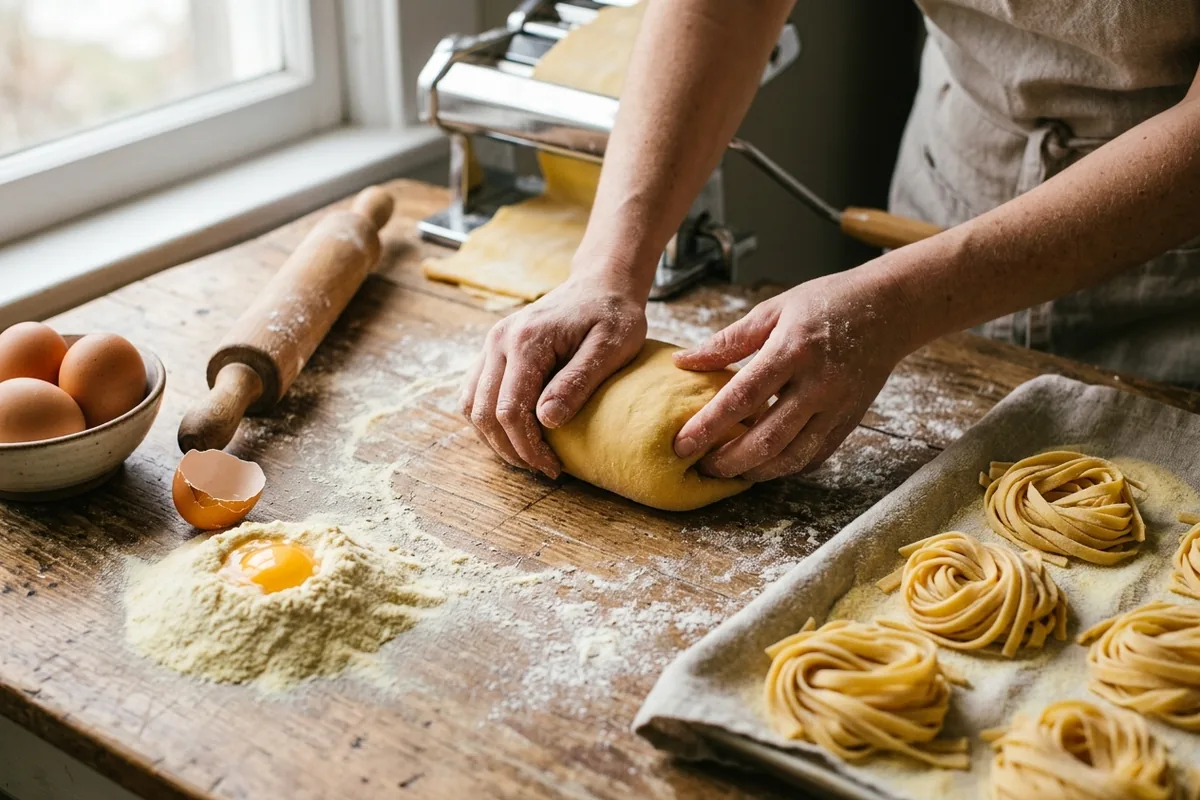
Making fresh pasta at home is far less fussy than it looks, and it requires no special equipment beyond a rolling pin and a knife, though a pasta machine makes the rolling easier. The classic ratio is simple: about one large egg per 100 grams, or roughly three-quarters of a cup, of flour, which serves one generous portion.
Start by mounding the flour on a clean counter and making a well in the center. Crack the eggs into the well, beat them lightly with a fork, then gradually pull in flour from the walls of the well until a shaggy dough forms. Knead it by hand for about eight to ten minutes, until it turns smooth, elastic, and springs back when you press it. Wrap the dough and let it rest at room temperature for at least 30 minutes so the gluten relaxes, which makes rolling far easier.
After resting, roll the dough thin, either with a pin or by passing it through progressively narrower settings on a pasta machine, dusting with flour to prevent sticking. Roll until you can almost see your hand through the sheet, then cut it into the shape you want, whether ribbons like fettuccine or squares for ravioli. Our full walkthrough on how to make pasta from scratch covers the dough, rolling, and shaping in detail, and our guide to homemade pasta adds tips on equipment and troubleshooting.
Egg-to-flour ratio and adjustments
The one-egg-per-100-grams rule is your anchor, but flour absorbs moisture differently depending on humidity and brand, so treat it as a starting point. If the dough feels dry and crumbly and will not come together, work in a teaspoon of water at a time. If it feels sticky and slack, dust in a little more flour. The finished dough should feel smooth and firm, like soft modeling clay, not tacky and not dry. A trusted method like the fresh pasta dough recipe from Food Network uses the same basic ratio and is a reliable reference if you want a printed recipe to follow.
Fresh pasta vs dried pasta
The two are not rivals so much as different tools. Understanding how they differ helps you pick the right one for the dish instead of defaulting to whatever is in the cupboard.
| Feature | Fresh pasta | Dried pasta |
|---|---|---|
| Main ingredients | Soft flour and eggs | Durum semolina and water |
| Texture | Silky, tender, delicate | Firm, chewy, holds shape |
| Cook time | 2 to 4 minutes | 8 to 13 minutes |
| Best sauces | Butter, cream, egg-based, light | Robust, tomato, oil, long-simmered |
| Shelf life | Days fresh, months frozen | A year or more in the pantry |
| Al dente? | Not really; stays tender | Yes, cooks to a firm bite |
The headline takeaway is that fresh pasta is for delicate, luxurious dishes where its silky texture is the star, while dried pasta is the workhorse for hearty, robust sauces that need a firm noodle to cling to. A simple butter-and-sage sauce or a light cream sauce flatters fresh fettuccine, while a chunky meat ragu or a garlicky aglio e olio wants the chew of dried spaghetti.
There is also a cost and convenience angle worth being honest about. Dried pasta is inexpensive, lasts for ages, and is ready whenever you are, which is why it is the everyday default in most kitchens. Fresh pasta, whether bought or made, costs more in money or time, so it makes sense to treat it as the choice for nights when the pasta itself is meant to be the centerpiece rather than a quick base for a busy weeknight. Once you internalize that fresh is the occasion and dried is the staple, you stop second-guessing which to buy and simply reach for the right one.
How to cook fresh pasta
Cooking fresh pasta is quick and a little forgiving in some ways, unforgiving in others. The biggest difference from dried pasta is speed: fresh pasta cooks in two to four minutes, and it can go from perfect to overcooked in well under a minute, so you have to pay attention.
Bring a large pot of well-salted water to a rolling boil, just as you would for dried pasta, using plenty of water so the delicate strands have room to move. Add the fresh pasta and stir gently to keep it from clumping. It is ready almost the moment it floats to the surface, usually within two to four minutes depending on thickness. Taste a piece to confirm it is tender; because of its egg-and-soft-flour makeup, fresh pasta does not cook to a firm al dente the way dried pasta does, and that is normal. Drain it, reserving a little of the starchy water to finish your sauce, and dress it right away.
Sauces that suit fresh pasta
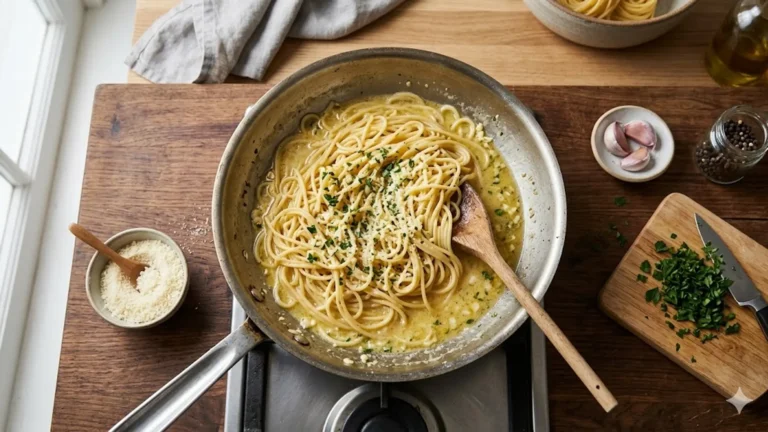
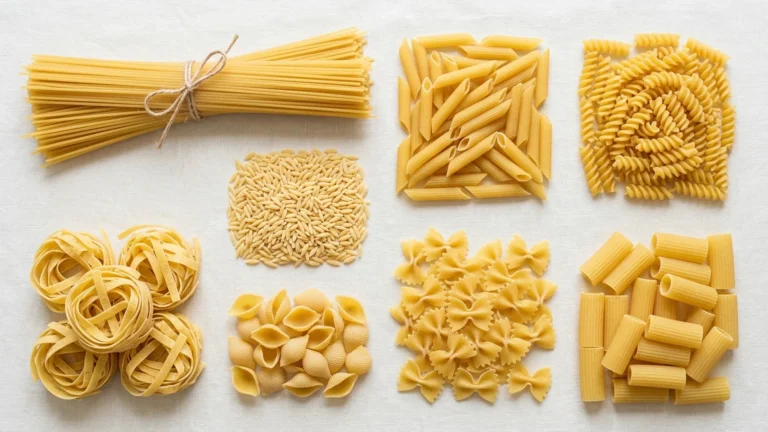
Fresh pasta’s silky surface and tender bite pair best with sauces that highlight rather than overwhelm it. Butter sauces, light cream sauces, egg-based sauces like a true carbonara, and simple olive oil with herbs all let the pasta itself shine. Cheese-based sauces such as a classic Alfredo cling beautifully to fresh ribbons. Save the heavy, chunky, long-simmered sauces for sturdier dried shapes that can stand up to them. If your sauce ends up thinner than you like, our guide on types of pasta can help you match shapes and sauces for next time.
Common mistakes with fresh pasta
A few errors trip up first-timers, and all of them are easy to avoid once you know them. The biggest is overcooking: because fresh pasta is ready in two to four minutes, walking away from the pot for even a minute can take it from tender to mushy, so stay close and taste early. The second is skimping on water or salt, which matters just as much for fresh pasta as for dried, since the delicate strands stick easily and need seasoning from the pot. The third is letting cut pasta sit out uncovered, where it dries and cracks within minutes; keep shaped pasta under a towel or freeze it promptly. Finally, resist the urge to rinse fresh pasta after draining, because that washes away the surface starch that helps your light sauce cling. Avoid those four and your fresh pasta will turn out beautifully nearly every time.
Buying versus making fresh pasta
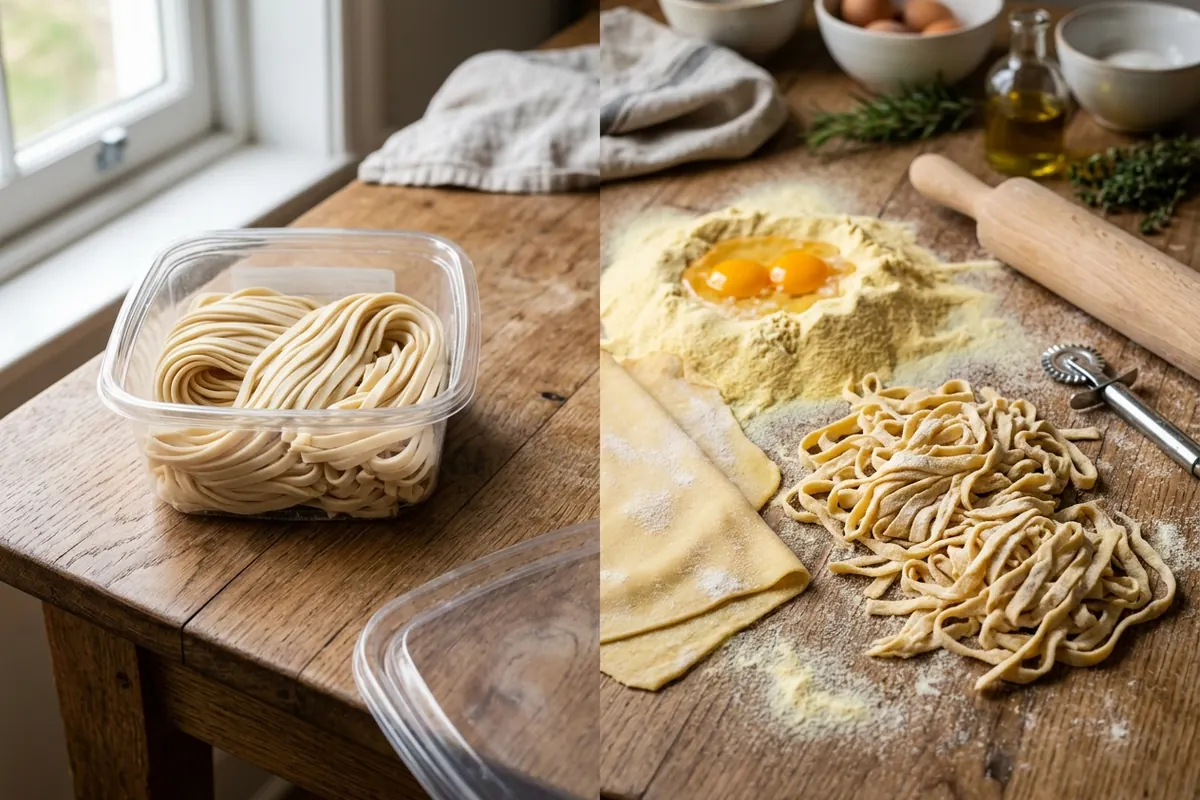
You do not have to roll your own to enjoy fresh pasta. Most grocery stores carry refrigerated fresh pasta, and many Italian markets and specialty shops sell it made in house. Store-bought fresh pasta is a genuine convenience and can be very good, especially filled shapes like ravioli and tortellini that are tedious to make at home.
When buying, check the date and look for pasta with a smooth, even surface and no dry or discolored edges. Refrigerated fresh pasta is perishable, so use it within a day or two of opening, or freeze it. Making your own, on the other hand, gives you control over flavor, thickness, and shape, and it is genuinely satisfying. A good middle path is to buy fresh pasta on busy nights and make it on weekends when you have time to enjoy the process. The cooks at America’s Test Kitchen are a reliable source for technique-driven recipes if you want to deepen your skills across the kitchen.
Storing and freezing fresh pasta
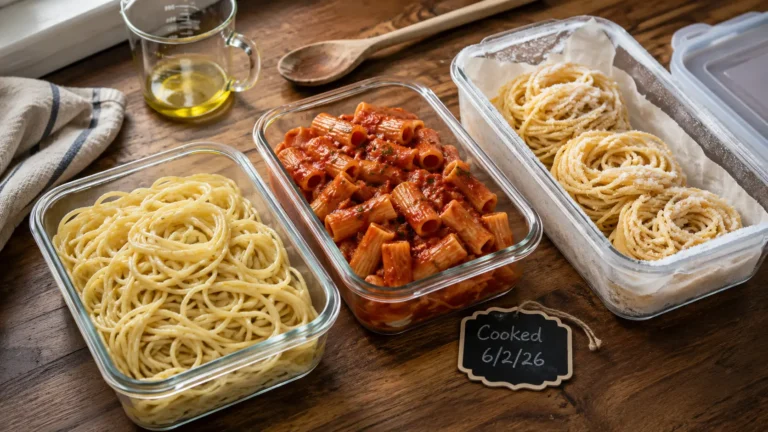
Fresh pasta is perishable because the raw egg in the dough does not keep long, so storage matters. In the refrigerator, uncooked fresh pasta lasts only about one to two days, tightly wrapped. Cooked fresh pasta keeps three to five days like any cooked pasta. For anything longer, the freezer is the answer.
One thing to know about refrigerated fresh pasta is that it can develop a faint sour smell or a sticky, tacky surface as it ages, both of which are signs it has turned and should be discarded rather than cooked. Trust your nose here the same way you would with any fresh, egg-rich food. When in doubt, the safe move is always to throw it out, because a few minutes of saved pasta is not worth a stomachache.
To freeze uncooked fresh pasta, dust long shapes generously with flour or semolina and gather them into loose nests, then freeze the nests on a tray until firm before transferring them to a freezer bag. Freeze filled shapes in a single layer first so they do not fuse, then bag them once solid. Frozen this way, fresh pasta keeps its quality for up to eight months, and you cook it straight from frozen without thawing, adding about a minute to the boil. This is one of the best reasons to make a big batch of dough: a Sunday afternoon of rolling can stock your freezer with restaurant-quality pasta for months.
FAQ
What is the difference between fresh pasta and dried pasta?
Fresh pasta is made from soft flour and eggs and stays moist and pliable, cooking in two to four minutes into a silky, tender noodle. Dried pasta is made from durum semolina and water, then dried hard, so it is shelf-stable, cooks in 8 to 13 minutes, and has a firmer, chewier bite that holds up to robust sauces.
How long do you cook fresh pasta?
Fresh pasta cooks in just two to four minutes in rapidly boiling salted water. It is ready almost as soon as it floats to the surface, so taste a piece to confirm it is tender. Because of its egg-and-soft-flour dough, fresh pasta does not cook to a firm al dente like dried pasta does.
Is fresh pasta better than dried pasta?
Neither is better overall; they suit different dishes. Fresh pasta shines with delicate butter, cream, and egg-based sauces that showcase its silky texture. Dried pasta is better with hearty, chunky, long-simmered sauces that need a firm noodle to cling to. Choose based on the sauce and the meal, not on a ranking.
Can you make fresh pasta without a machine?
Yes. A rolling pin and a sharp knife are all you truly need. Roll the rested dough as thin as you can on a floured surface, then cut it into ribbons or shapes by hand. A pasta machine makes rolling thinner and more even and saves effort, but plenty of excellent fresh pasta has been made with nothing but a pin for centuries.
How do you store fresh pasta?
Refrigerate uncooked fresh pasta tightly wrapped and use it within one to two days, since the raw egg makes it perishable. Cooked fresh pasta keeps three to five days in an airtight container. For longer storage, freeze uncooked pasta dusted with flour and shaped into nests, where it keeps quality for up to eight months and cooks straight from frozen.
What flour is best for fresh pasta?
Finely milled 00 flour makes the silkiest, most tender dough and is traditional for egg pasta, while semolina adds bite and structure. Many cooks blend the two. All-purpose flour is a reliable everyday option that makes very good fresh pasta, so you can start with what you have on hand rather than waiting for a specialty flour.
Bottom line
Fresh pasta is one of the simplest luxuries in cooking: a soft dough of flour and eggs, rolled thin and cooked in minutes into something silky and tender. Reach for it when you want a delicate noodle and a light sauce, and reach for dried pasta when a dish needs a firm, chewy bite and a robust sauce. Whether you roll your own from a basic egg dough or pick up a good refrigerated package, the keys are the same: cook it briefly until it floats, sauce it gently, and store or freeze any extra with a dusting of flour. Master those few ideas, and fresh pasta becomes a regular part of your kitchen rather than a special-occasion mystery.