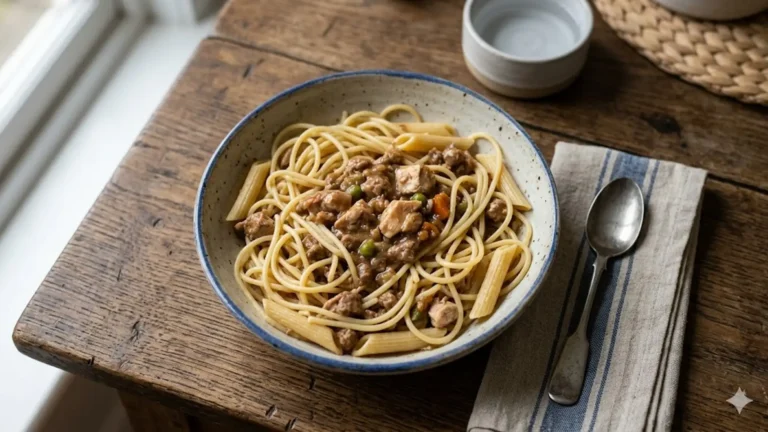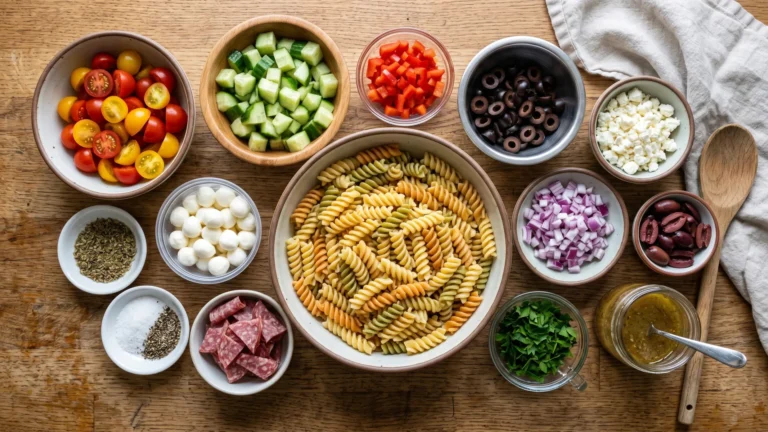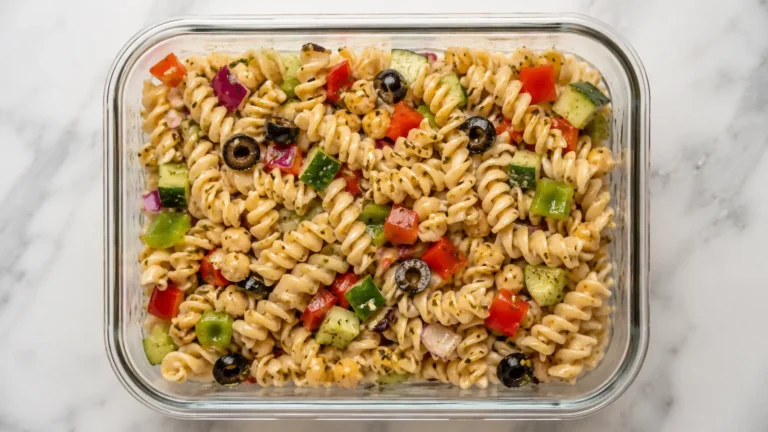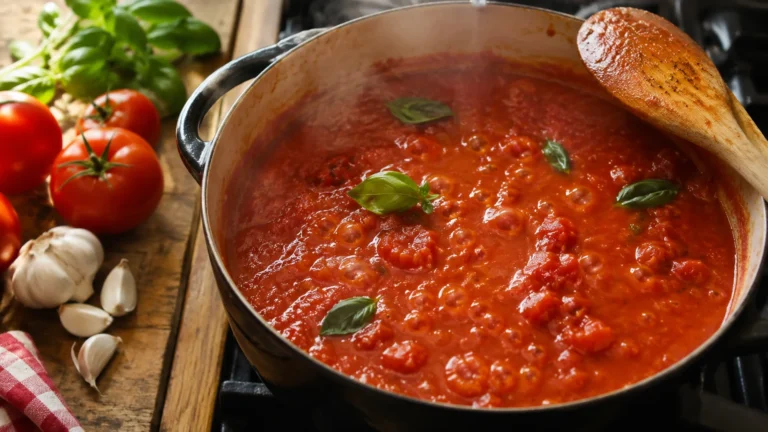
On the same 2-ounce (57-gram) dry basis, chickpea pasta carries 14g of protein and 8g of fiber, against 7g protein and 5g fiber for whole wheat and 7g protein and 2g fiber for white, per figures Healthline compiled from USDA data. That single comparison is what lets you choose a base before you ever boil water. These healthy pasta recipes are built from that number and a second one: a carbohydrate-to-fiber ratio under 10:1, the label test Harvard’s nutrition researchers call the most reliable marker of a whole-grain product worth eating.
What are healthy pasta recipes? They are dishes where the base, the technique, and the plate all pull toward steadier blood sugar and more satiety. Pick a base for your goal: chickpea pasta gives 14g protein and 8g of fiber per 2-ounce dry serving (190 calories, 32g carbs); whole wheat gives 7g protein and 5g fiber; white gives 7g and 2g. Cook it al dente to lower its glycemic index, then plate it with non-starchy vegetables, lean protein, and a healthy fat. Two cookable recipes below show the range: a 37g-protein cottage-cheese pasta and a cream-free lemon garlic version at 197mg sodium.
Chickpea vs. whole wheat vs. white, on the same 2-ounce dry base
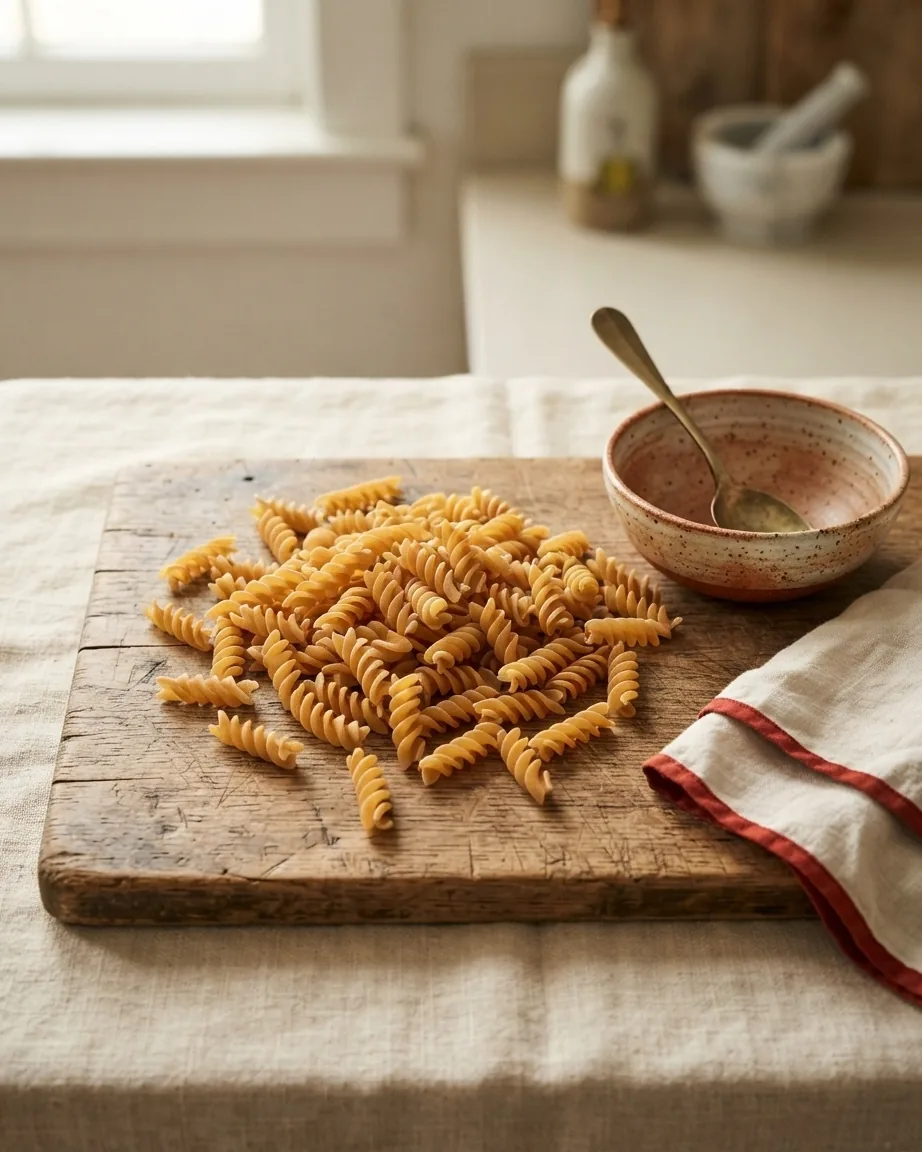
Most pasta comparisons fail because they line up a dry base against a finished, sauced dish. Healthline puts all three bases on one 2-ounce (57-gram) dry chart, which makes the choice legible. Chickpea pasta “provides twice as much protein and significantly more fiber than either whole wheat or white pasta,” per Healthline’s chickpea pasta reference.
| Per 2 oz (57 g) dry | Chickpea | Whole wheat | White |
|---|---|---|---|
| Protein | 14g | 7g | 7g |
| Fiber | 8g | 5g | 2g |
| Carbs | 32g | 41g | 43g |
Two gaps decide the pick. Chickpea pasta carries four times the fiber of white (8g vs. 2g) and double the protein of either wheat base (14g vs. 7g). It is also the lowest in carbohydrate at 32g, below whole wheat’s 41g and white’s 43g. Run the label test on it: 32g carbs divided by 8g fiber is 4:1, comfortably under the 10:1 threshold. Verywell Fit notes chickpea pasta is “fairly low-fat at 3.5 grams per serving,” per its chickpea pasta nutrition facts, mostly polyunsaturated.
One caveat the numbers hide: chickpea pasta is not keto-friendly. At roughly 32g carbs per 2-ounce dry serving it is not a low-carb food, so a reader chasing ketosis should look elsewhere.
Why added protein and fiber actually make the dish healthier

The mechanism is digestion speed. In chickpea pasta, its protein and fiber “may lessen the effect that its carbs have on blood sugar by slowing your digestion,” per Healthline. Harvard’s researchers describe the same lever in whole grains: bran and fiber “slow the breakdown of starch into glucose; thus maintaining a steady blood sugar rather than causing sharp spikes,” per The Nutrition Source on whole grains.
The payoff shows up in long studies. Among more than 160,000 women followed for up to 18 years, those averaging 2 to 3 servings of whole grains a day were 30% less likely to develop type 2 diabetes than those who rarely ate them, Harvard reports. Refining is what strips the benefit out: the process removes more than half of wheat’s B vitamins, 90 percent of its vitamin E, and virtually all of the fiber.
See also: our roasted veggie pasta guide.
Cooking levers that lower glycemic response without changing the noodle

You can keep the exact pasta you own and still blunt its blood-sugar impact. Two techniques do most of the work, and both come from Diabetes Canada’s glycemic-index guidance.
- Cook al dente. Undercooked pasta “has a low GI as it takes longer to digest, causing less of a spike in blood sugar after eating,” per Diabetes Canada’s glycemic index guide. Pull it a touch early rather than soft.
- Cook, cool, then reheat. Chilling cooked pasta and eating it cold or reheated raises resistant starch and lowers its glycemic response.
- Plate it correctly. Pairing the starch with non-starchy vegetables, lean protein, and healthy fats reduces the overall glycemic response of the meal.
That third lever is the vegetable-to-pasta ratio in practice: load the bowl so vegetables roughly match the noodle by weight, then anchor it with a lean protein. The cottage-cheese recipe below folds in 2 cups of chopped spinach for exactly this reason.
Read past “high protein” and “whole grain” before you trust a label

A protein claim and a grain stamp are marketing, not a verdict. EatingWell defines its high-protein lineup as each recipe carrying at least 15 grams of protein per serving, a stated minimum on an unspecified serving basis, per its high-protein pasta roundup. Useful as a floor, not a nutrition profile.
The grain stamp is shakier still. An analysis found Whole Grain Stamp products with more fiber and less sodium and trans fat, but higher in sugar and calories than whole-grain foods without the stamp, Harvard notes. The fix is arithmetic you can do in the aisle: divide carbohydrate grams by fiber grams. Under 10:1 is the ratio that “proved to be the most effective measure of healthfulness.”
Sodium is the other number labels bury, and it shows up most in the dishes that sound healthiest. Hold that thought for the recipes.
A 37g-protein cottage cheese pasta in 25 minutes
This is the high-protein, lean-dominant option. The finished 2-cup serving delivers 37g protein, 8g fiber, and 432 calories, but 1231mg of sodium, which is the tradeoff you accept for the protein. It comes together in just 25 minutes. Ingredient quantities below follow the recipe published by Jar Of Lemons.
- 12 ounces protein pasta
- 16 ounces low-fat cottage cheese
- 1/2 cup skim milk
- 1/3 cup parmesan
- 1/2 tablespoon minced garlic (or 2 garlic cloves, minced)
- 1 teaspoon salt
- 1 teaspoon freshly cracked black pepper
- 2 cups chopped spinach
- 1/4 cup reserved pasta water
- Boil the pasta to the package time; for protein and legume pastas, pull it at the early end.
- Blend the cottage cheese, skim milk, parmesan, and garlic until fully smooth.
- Pour the sauce into a nonstick skillet over low heat, whisking often: low and slow keeps the cottage cheese from curdling.
- Add the spinach once the sauce is warm and stir until it wilts.
- Reserve 1/4 cup pasta water, drain, rinse under cold water, and let the pasta cool slightly.
- Whisk the reserved pasta water into the sauce very slowly, then fold in the cooled pasta.
- Kill the heat and stir for 1 to 2 minutes; the starch and residual heat thicken the sauce onto the noodles as it cools.
- Finish with cracked black pepper and more parmesan.
See also: our crispy broccoli lemon feta pasta guide.
A cream-free lemon garlic pasta at 197mg sodium
The counterweight to the cottage-cheese dish. A 1.5-cup serving runs 378 calories, 13g protein, 3g fiber, and 197mg sodium: far lower sodium, lower protein. It stays light because the sauce uses butter and Parmesan rather than cream, and it is done in just 15 minutes. Quantities follow Joyful Healthy Eats.
- 1 lb spaghetti
- 1 tablespoon olive oil
- 3 tablespoons unsalted butter
- 4 garlic cloves, minced
- 1/4-1/2 teaspoon red pepper flakes
- 1 tablespoon lemon zest
- 1 1/2 tablespoons lemon juice
- 1/2 cup Parmesan, freshly grated
- 1/4 cup finely chopped parsley
- Salt and pepper to taste
- Boil salted water and cook the spaghetti to al dente per the package.
- Heat a large skillet to medium and add the olive oil and butter.
- Once the butter melts, add garlic, red pepper flakes, and lemon zest; sauté 2 minutes, stirring the whole time so the garlic does not burn and turn bitter.
- Reserve 1 cup cooking liquid, drain, and add the noodles to the skillet.
- Add Parmesan, lemon juice, and reserved liquid; toss with tongs so the starch-rich water emulsifies the cheese into a coating sauce.
- Garnish with parsley and serve.
Leftovers hold in an airtight container in the refrigerator for up to 3 days. Reheating chilled pasta also nudges resistant starch up, so the next-day bowl reads slightly lower on glycemic response.
Who should skip chickpea and legume pasta, and how to keep it from going mushy
Allergen warning
Two groups should avoid chickpea pasta outright. Anyone with a chickpea or legume allergy needs to stay away from it, and Verywell Fit notes those on a medically required low-fiber diet “should steer clear of this product”: the 8g fiber that helps most eaters is the problem for them.
The common failure is texture. Chickpea and other legume pastas “often cook in less time and may become mushy if overcooked,” per Healthline, so the package time is a ceiling, not a target: check a strand a minute or two early and drain the moment it turns tender. A higher-protein swap for a wheat recipe is a one-for-one base change to chickpea pasta; for a lower-carb meal, the same swap drops you from 43g to 32g carbs per 2-ounce dry serving while quadrupling the fiber.
What are healthy pasta recipes?
They combine a base chosen for its macros, a cooking method that slows digestion, and a balanced plate. A legume base can hit 8g fiber and 14g protein per 2-ounce dry serving, versus 2g fiber in white. Cooking al dente lowers the glycemic index because the starch takes longer to digest, and finishing with vegetables plus lean protein further blunts the blood-sugar spike.