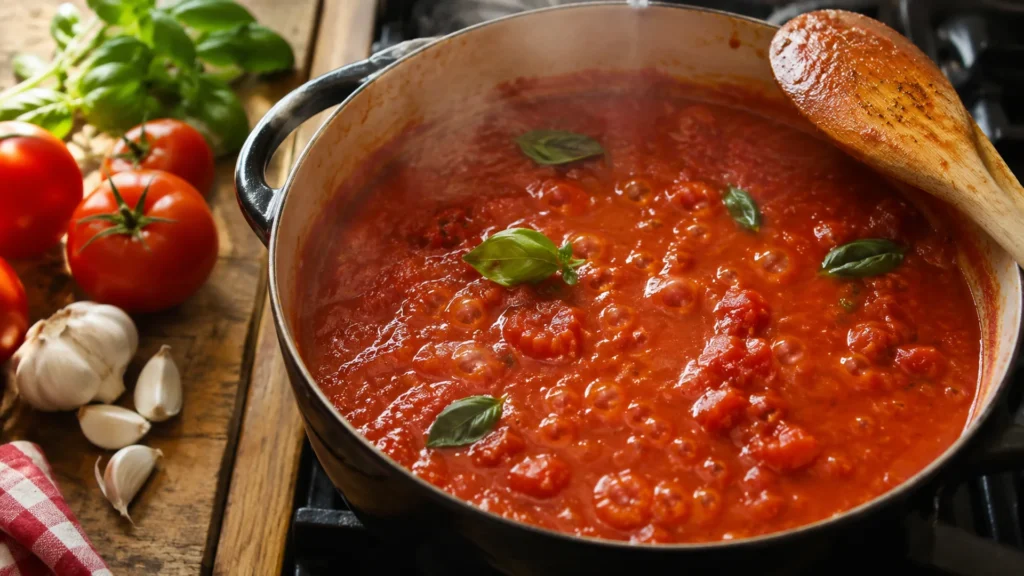
A good homemade pasta sauce is the difference between a plate of noodles and an actual dinner, and the gap between the two is smaller than most people think. The truth held in both places: sauce is a set of techniques, not a list of brand-name ingredients. Once you understand what each technique does, you stop following recipes blindly and start cooking. This guide walks through the main sauce families, the steps that matter, the common mistakes so you can skip them, and the fixes when something goes sideways.
Most of what passes for “secret family recipe” is just patience and a couple of small habits. You can learn those habits in a weekend. After that, the jarred stuff in the cabinet starts to taste like what it is.
One more thing before we start. Good sauce is not about expensive ingredients, it is about treating cheap ingredients correctly. A can of decent tomatoes, a head of garlic, salt, olive oil, and twenty minutes of attention will beat almost anything you can buy in a jar. The reason restaurant sauce tastes better is rarely a rare ingredient. It is technique, seasoning, and the willingness to let a pot sit on low heat while you do something else. Keep that in mind as you read, because every section below is really about one of those small habits.
The Five Sauce Families Worth Knowing
Italian cooking organizes sauce into a handful of categories, and almost everything you will ever make is a variation on one of them. Tomato based sauces start with crushed or whole tomatoes and build from there. Oil based sauces, like aglio e olio, use olive oil as the body and garlic or chili as the flavor. Cream based sauces lean on dairy, butter, and cheese for richness. Then there are the emulsified sauces, where starchy pasta water binds fat and cheese into something glossy, which is how cacio e pepe and a proper carbonara actually work. Finally, pestos and raw sauces skip the stove entirely.
You do not need to master all five at once. Pick tomato and emulsified first, because between them they cover most weeknight dinners. If you want a head start on the cheese and butter side, the walkthrough on how to make a butter sauce for pasta breaks down three reliable methods that overlap heavily with emulsified sauce technique.
| Sauce Family | Base | Cook Time | Best Pasta Match |
|---|---|---|---|
| Tomato (marinara) | Crushed tomatoes, garlic | 25 to 40 min | Spaghetti, penne, rigatoni |
| Oil (aglio e olio) | Olive oil, garlic, chili | 10 min | Spaghetti, linguine |
| Cream (alfredo style) | Butter, cream, parmesan | 15 min | Fettuccine, tagliatelle |
| Emulsified (cacio e pepe) | Pasta water, fat, cheese | 10 min | Spaghetti, tonnarelli |
| Pesto (raw) | Herbs, oil, nuts, cheese | 5 min, no cook | Trofie, fusilli, gnocchi |
Building a Classic Tomato Sauce
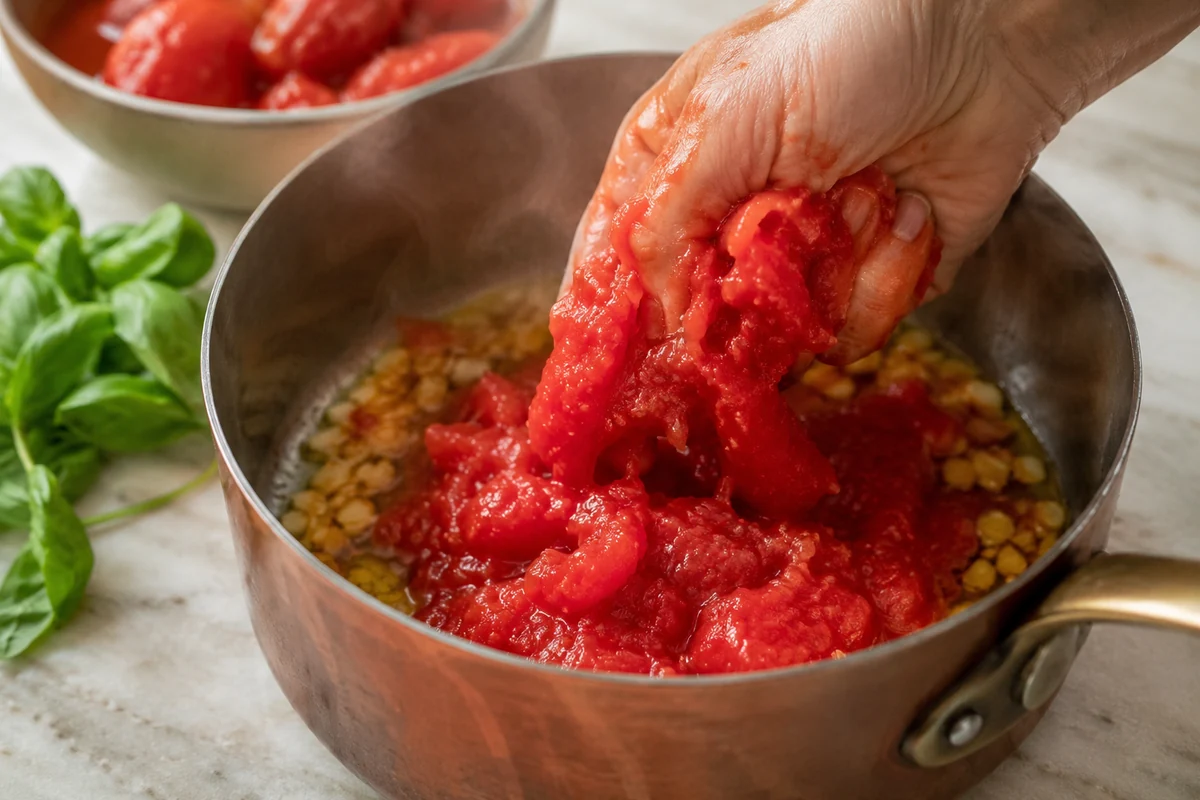
This is the one to learn cold. Start with good olive oil over medium heat, then add finely chopped garlic or onion. The temperature matters here. You want the garlic to turn fragrant and pale gold, not brown, because browned garlic turns bitter and that bitterness never leaves the pot. Give it two minutes, no more.
Now the tomatoes. Whole peeled San Marzano style tomatoes crushed by hand give you the best texture, but a good can of crushed tomatoes works fine on a Tuesday. Pour them in, add a pinch of salt, and let the sauce settle into a low simmer. The salt does two jobs. It seasons, and it pulls moisture out so the flavors concentrate. A small pinch of sugar can balance tomatoes that taste sharp, but taste first, because many canned tomatoes need none.
Here is the part people rush: time. A tomato sauce needs at least 25 minutes at a gentle simmer to lose its raw, tinny edge. Stir every few minutes and scrape the bottom so nothing scorches. If you have a parmesan rind, drop it in for the last 15 minutes and fish it out before serving. It adds a savory depth that is hard to get any other way. The USDA’s nutrient database shows why tomatoes pull their weight here, since they carry useful amounts of vitamin C, potassium, and the antioxidant lycopene, and you can look up exact figures in the USDA FoodData Central system. For a deeper history of how tomato sauce became the backbone of Italian American cooking, the overview of tomato sauce is a solid read.
Finish the sauce off heat with a knob of butter or a glug of raw olive oil and a handful of torn basil. The butter rounds out the acidity and gives the sauce a soft sheen. Once you nail this base, you can spin it into arrabbiata with chili flakes, puttanesca with olives and capers, or a sun dried tomato version, covered in detail in the piece on sun dried tomato pasta.
The trick to Pasta Water
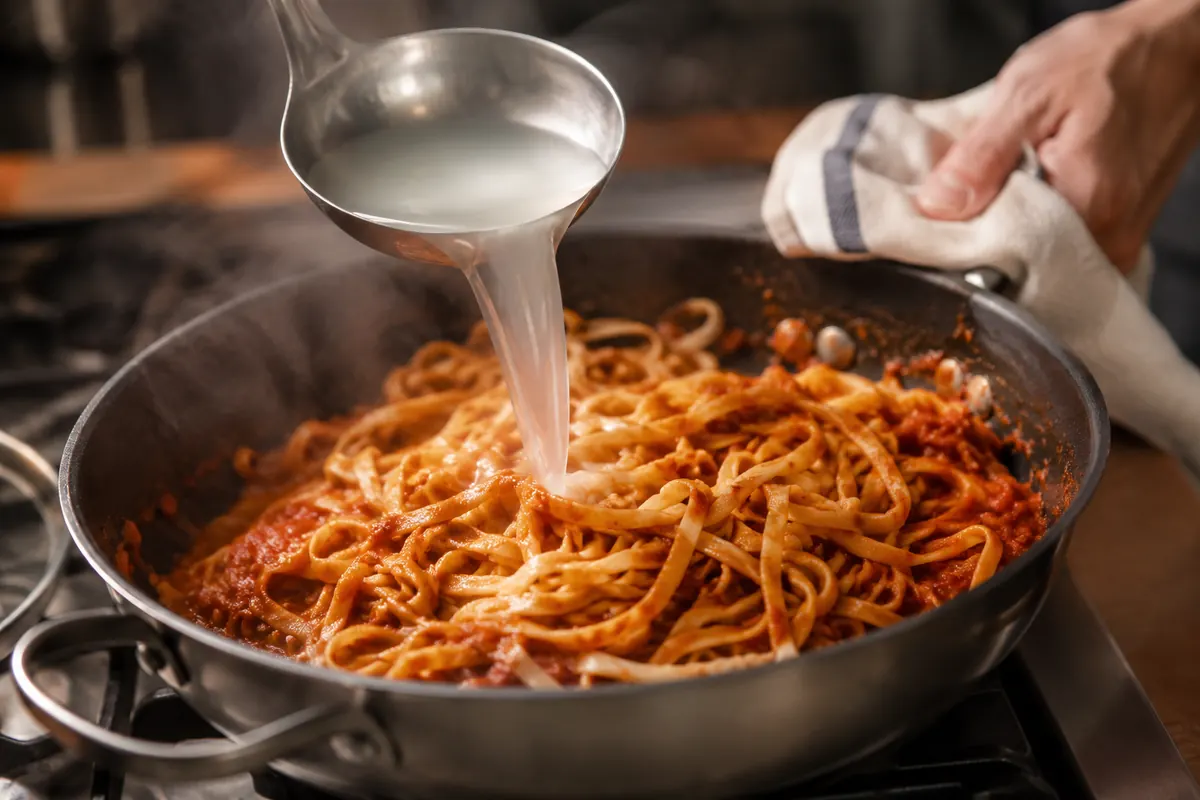
If one rule belongs on every new cook’s wall, it is this: save your pasta water. That cloudy, salty liquid is the single most useful ingredient in your kitchen during the last two minutes of cooking, and it costs nothing. The starch released by the pasta as it boils acts as a binder. Add a few spoonfuls to almost any sauce and it thickens slightly, clings to the noodles, and turns separate components into one coherent dish.
Here is how to use it. Before you drain the pasta, scoop out a full cup of the water with a measuring cup or mug. Cook your pasta until it is just shy of done, then transfer it straight into the pan with your sauce along with a splash of that water. Turn the heat to medium and toss constantly for the last minute or two. The pasta finishes cooking in the sauce, absorbs flavor, and releases more starch, while the water emulsifies the fat into a glossy coat. This step is what separates restaurant pasta from sad noodles sitting in a puddle of sauce.
For emulsified sauces like cacio e pepe, the technique is everything. Cheese added to a hot dry pan clumps and turns to rubber. Cheese mixed with a little warm starchy water first, then tossed off heat, melts into a silky cream. Keep your heat moderate and your water nearby, and you can rescue almost anything.
Cream and Cheese Sauces Done Right
Cream sauces scare people because dairy can break, but the rules are simple. Keep the heat gentle, never a hard boil, and add cheese off the direct flame. A basic cream sauce starts by melting butter, sometimes with a little garlic, then adding cream and letting it reduce slightly until it coats the back of a spoon. Off heat, stir in grated parmesan or pecorino in small handfuls so each one melts before the next goes in. Dump it all at once and you get a grainy mess.
Real alfredo, the Roman kind, uses no cream at all. It is just butter, parmesan, and pasta water emulsified together, which loops right back to the starchy water trick. The heavy cream version is an American adaptation, and there is nothing wrong with it, but knowing the difference helps you fix problems. If a cream sauce gets too thick, loosen it with pasta water, not more cream. If it breaks and looks oily, pull it off heat and whisk in a splash of cold water or a little more cheese to bring it back together.
| Problem | Likely Cause | Fix |
|---|---|---|
| Cheese clumped into rubber | Added to a pan that was too hot | Off heat, whisk in warm pasta water |
| Cream sauce broke and looks oily | Boiled too hard | Add a splash of cold water, whisk fast |
| Sauce too thin and watery | Not enough reduction or starch | Simmer longer or toss with pasta water |
| Sauce too thick or pasty | Over reduced | Loosen with reserved pasta water |
| Tomato sauce tastes sharp | Raw or acidic canned tomatoes | Simmer longer, pinch of sugar, butter at the end |
Common Mistakes That Wreck a Good Sauce
These are the mistakes worth knowing about before you start. First, underseasoning the pasta water. Your boiling water should taste like the sea, because that is the only chance the pasta itself has to absorb salt. A bland noodle drags down even a great sauce.
Second, drowning the pasta. Italians sauce lightly so the pasta is coated, not submerged. If you find yourself spooning sauce over a bowl of plain noodles at the table, you skipped the step where pasta and sauce cook together for the last minute. Third, browning the garlic. It bears repeating: pale gold is the target, not brown. Fourth, rinsing the pasta after draining. Rinsing washes away the surface starch that helps sauce grip. The only time to rinse is for cold pasta salad.
Fifth, walking away from a simmer. Tomato sauce on the bottom of the pot scorches fast and the burnt taste spreads through everything. Stir, scrape, and keep the flame low. None of these mistakes are fatal once, but fixing them is how an average cook becomes a good one. If you want to go further into sauce theory and pairing, our hub of pasta sauce recipes has dozens of worked examples to study.
Oil Based and No Cook Sauces for Busy Nights
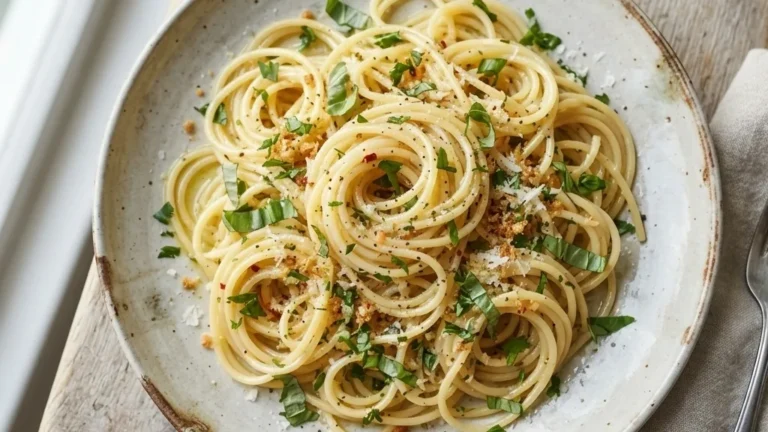
Not every sauce needs a long simmer, and the fastest ones are often the most elegant. Aglio e olio is the classic example. You warm sliced garlic gently in a generous amount of good olive oil, add a pinch of chili flakes, and let the oil take on the garlic flavor without browning. While that happens, your pasta boils. When the noodles are nearly done, you pull them into the pan with a splash of pasta water and toss hard. The starch and oil emulsify into a light, glossy coat that clings to every strand. Total active time is under ten minutes, and there is no canned anything involved.
The trick with oil based sauces is the emulsion. Oil and water do not want to mix, but the starch from the pasta water acts as the bridge. Toss vigorously over medium heat and the sauce goes from looking broken and greasy to creamy and unified. If it ever looks oily and separated, add another splash of water and keep tossing. Finish with chopped parsley, a squeeze of lemon, or a handful of toasted breadcrumbs for crunch.
Raw sauces are even faster. Pesto is the headliner, made by blending or pounding basil, garlic, pine nuts, parmesan, and olive oil into a paste that you never cook at all. The heat of the just drained pasta is enough to release its aroma. A raw tomato sauce, popular in summer, is just chopped ripe tomatoes, garlic, basil, and oil left to sit at room temperature for an hour while their juices loosen. Toss it with hot pasta and the warmth softens the tomatoes just enough. These no cook sauces depend entirely on ingredient quality, so use the best oil and the ripest produce you can find.
Building Flavor: Salt, Acid, Fat, and Time
Every sauce that tastes flat is usually missing one of four things. Salt is the first. It does not just make food taste salty, it makes every other flavor louder, so a sauce that seems dull often just needs a pinch more. Season in stages and taste as you go rather than dumping it all in at the start. Acid is the second lever. A sauce that feels heavy or muddy often wakes up with a small splash of red wine vinegar, a squeeze of lemon, or simply tomatoes that bring their own tang. Acid cuts richness and adds brightness.
Fat carries flavor and gives a sauce body. This is why finishing a tomato sauce with butter or raw olive oil makes such a difference, and why cheese rounds out a cream sauce. Fat coats the tongue and stretches the experience of every other ingredient. Time is the fourth, and the one people skip most. A sauce that simmers for forty minutes tastes deeper than the same ingredients cooked for ten, because the flavors have a chance to meld and the raw edges soften.
Learn to taste for what is missing. If a sauce tastes boring, it usually wants salt. If it tastes harsh, it wants time or fat. If it tastes flat and heavy, it wants acid. Once you internalize these four, you can rescue almost any sauce without a recipe, and you can build new ones by instinct. This is the real skill behind every cook who seems to improvise effortlessly. They are not guessing, they are adjusting salt, acid, fat, and time until the balance lands.
Make Ahead, Storage, and Freezing
Sauce is one of the best things to batch. A big pot of tomato sauce on Sunday feeds you through Wednesday and freezes for the weeks after. Cool it fully before storing, because sealing hot sauce in a container traps steam and invites spoilage. In the fridge, a cooked tomato sauce keeps three to five days in an airtight container. Cream sauces are touchier and are best eaten within two or three days, since dairy separates and the texture suffers on reheating.
For the freezer, tomato and oil based sauces are champions and hold for two to three months without much quality loss. Cream sauces freeze poorly because the dairy breaks, so they are best avoided. Freeze sauce in portion sized containers or zip bags laid flat, which thaw fast and stack neatly. Reheat gently on the stove with a splash of water to bring it back to life, and finish with fresh herbs or a little oil so it tastes made today. Different sauce styles also live on other tables. A plant based cook can build a deeply savory tomato or cashew cream sauce, and there is a good collection of ideas in this set of vegan pasta recipes. If you lean toward the rich and glossy Italian classics, the Italian sauces guide walks through ragus and emulsions worth keeping in rotation.
Frequently Asked Questions
How long does homemade pasta sauce last in the fridge?
A cooked tomato or oil based sauce keeps three to five days in an airtight container once fully cooled. Cream and cheese sauces are best eaten within two to three days because the dairy separates and the texture degrades. Always cool sauce before sealing it, and reheat gently with a splash of water.
Why is my homemade pasta sauce watery?
Watery sauce usually means it did not reduce long enough or the pasta added extra moisture. Simmer the sauce uncovered until it thickens and coats a spoon. When you combine pasta and sauce, use a little starchy pasta water and toss over heat so the starch binds everything together instead of pooling.
Can I freeze homemade pasta sauce?
Tomato and oil based sauces freeze beautifully for two to three months. Cool the sauce, portion it into flat freezer bags or containers, and label them. Cream based sauces do not freeze well because the dairy breaks, so make those fresh. Thaw frozen sauce in the fridge overnight and reheat slowly on the stove.
What is the easiest homemade pasta sauce for beginners?
A simple tomato sauce is the easiest place to start. Gently cook garlic in olive oil, add a can of crushed tomatoes and a pinch of salt, then simmer for 25 minutes and finish with butter and basil. It uses few ingredients, forgives small mistakes, and teaches the core habits every other sauce builds on.