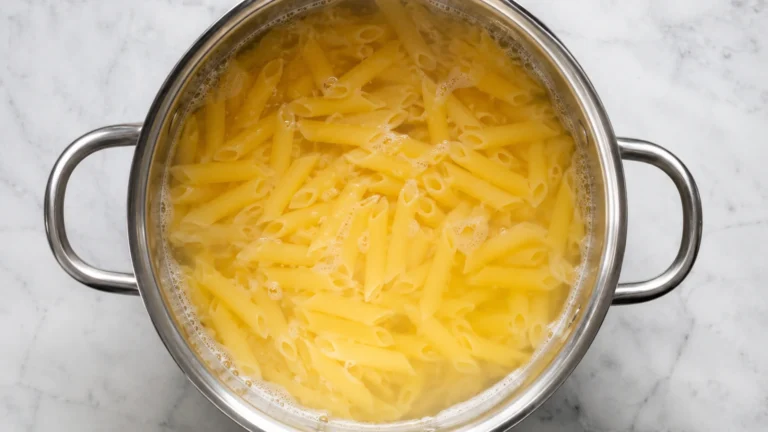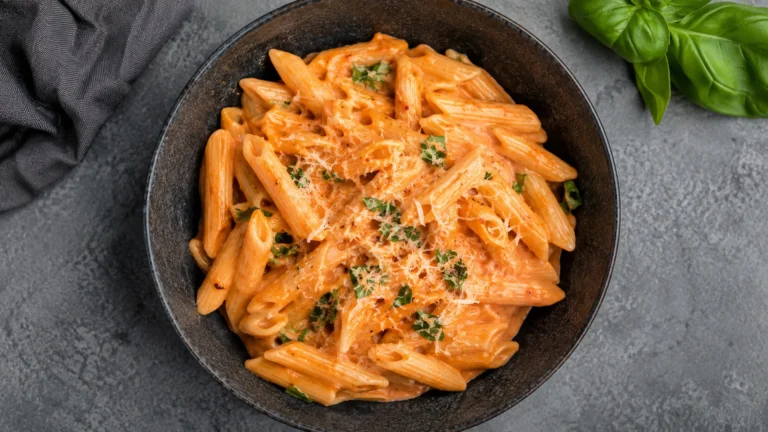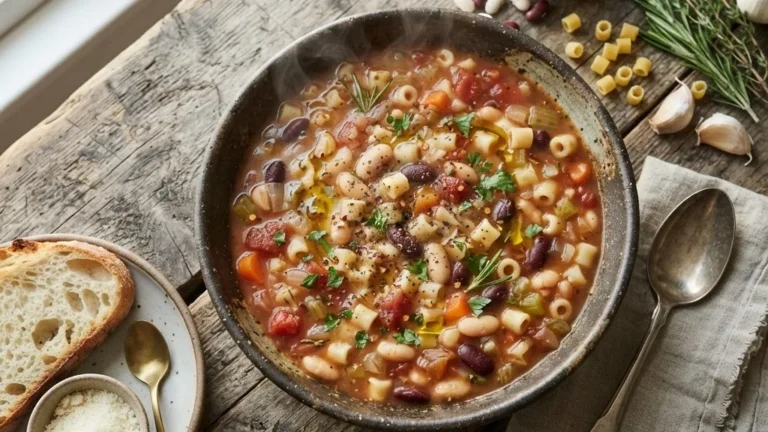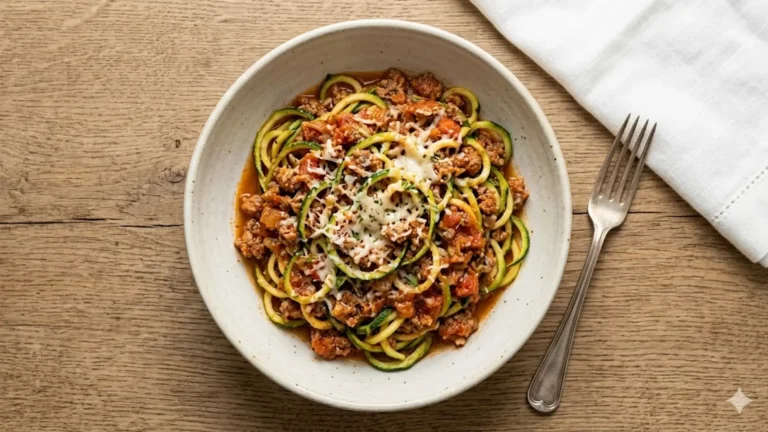
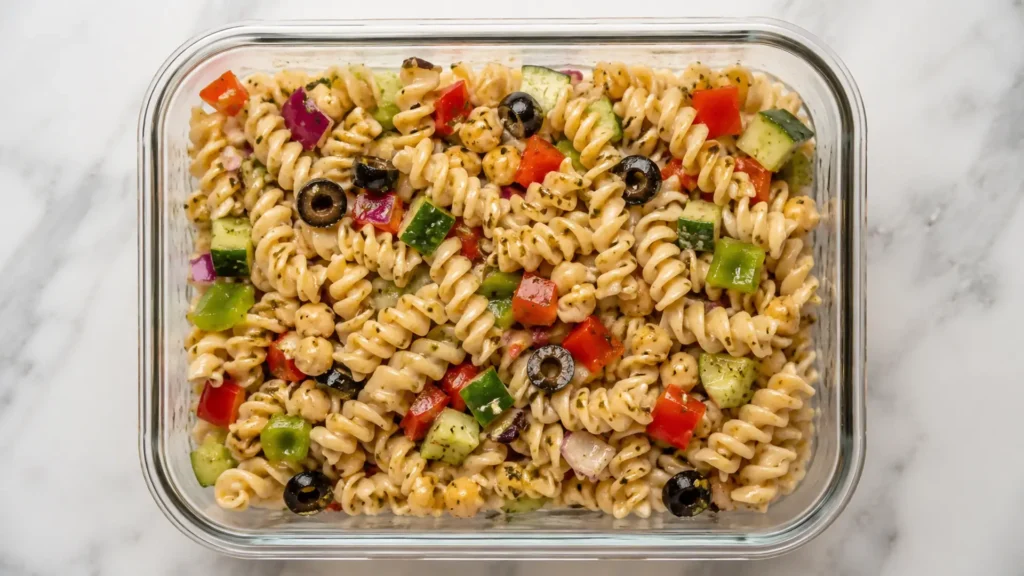
How long is pasta good for in the fridge depends on what kind of pasta you are storing, but the short answer for most leftovers is 3 to 5 days. Plain cooked pasta with nothing on it holds the longest. Pasta already mixed with sauce, cheese, or vegetables gives you a slightly shorter window, and anything with cooked meat or seafood is the most perishable of all. Get it cold quickly, keep it sealed, and you can count on it staying safe and pleasant to eat for the better part of a week.
That said, the calendar is only half the story. The bigger questions are how to store pasta so it actually lasts the full window, how to tell when it has turned even before the days run out, and when you are better off freezing it instead of crowding the fridge. This guide walks through every version of leftover pasta you are likely to have, the food-safety reasoning behind the numbers, and the small habits that keep day-four pasta tasting like day-one pasta.
How long pasta lasts in the fridge, by type
Not all leftover pasta ages at the same rate. The fewer perishable add-ins a dish has, the longer it keeps. Plain noodles are mostly starch and water, which bacteria are slow to colonize when the food is kept cold. Add a cream sauce, cooked chicken, or shrimp, and you introduce ingredients that spoil faster, which pulls the safe window in. Here is the practical breakdown for refrigerator storage at or below 40 degrees Fahrenheit.
| Type of leftover pasta | Fridge life (at or below 40 F) | Notes |
|---|---|---|
| Plain cooked pasta (no sauce) | 3 to 5 days | Toss with a little oil before storing |
| Pasta with tomato or oil-based sauce | 3 to 4 days | Store sauce and noodles together is fine |
| Pasta with cream or cheese sauce | 3 to 4 days | Dairy shortens the window slightly |
| Pasta with cooked meat or seafood | 2 to 3 days | Most perishable; use first |
| Fresh uncooked pasta (store-bought or homemade) | 1 to 2 days | Raw egg dough spoils fast; freeze for longer |
| Cooked pasta salad (mayo-based) | 3 to 5 days | Keep cold; do not leave out at gatherings |
These ranges assume the pasta went into the fridge promptly and stayed sealed. If a dish sat out on the counter for a long stretch, or if your refrigerator runs warm, shave a day off and lean toward the lower end of each range. When the numbers and your senses disagree, trust your senses.
Why plain pasta keeps longest
Plain cooked pasta is close to inert. It is cooked starch and water with a little salt, and there is not much in it for spoilage bacteria to feast on quickly. The moment you add a protein, a dairy sauce, or fresh vegetables, you give microbes more to work with, and the clock speeds up. This is why a container of naked penne can ride out five days while the same penne tossed with shrimp scampi should be eaten within two or three.
Moisture and surface area play a role too. A tightly packed brick of plain spaghetti has less exposed surface than a loose toss of farfalle coated in oily pesto, so the dense pile dries and spoils more slowly. Fresh egg pasta sits at the opposite end of the spectrum: the raw egg in the dough is a perishable ingredient on its own, which is why uncooked fresh pasta gets only a day or two in the fridge while a box of dried spaghetti lasts years in the pantry. When you are planning leftovers for the week, think about what is actually in the dish rather than just how it looks, and you will judge the timing right almost every time.
The food-safety reasoning behind the numbers
The 3-to-5-day guideline is not arbitrary. It comes from how bacteria behave at different temperatures. The range between 40 and 140 degrees Fahrenheit is often called the danger zone, because that is where bacteria multiply fastest. Cooked pasta left in that zone for too long can grow enough bacteria, including a heat-tolerant troublemaker called Bacillus cereus, to make you sick even after reheating.
That is the logic behind the two-hour rule: cooked pasta should not sit at room temperature for more than two hours total, and no more than one hour if the room is above 90 degrees Fahrenheit, such as an outdoor summer table. After that, the safe move is to refrigerate it or toss it. For the full official framing on leftovers and cold storage, the food-safety guidance at Healthline lines up with what registered dietitians and federal storage charts recommend.
Get it cold fast
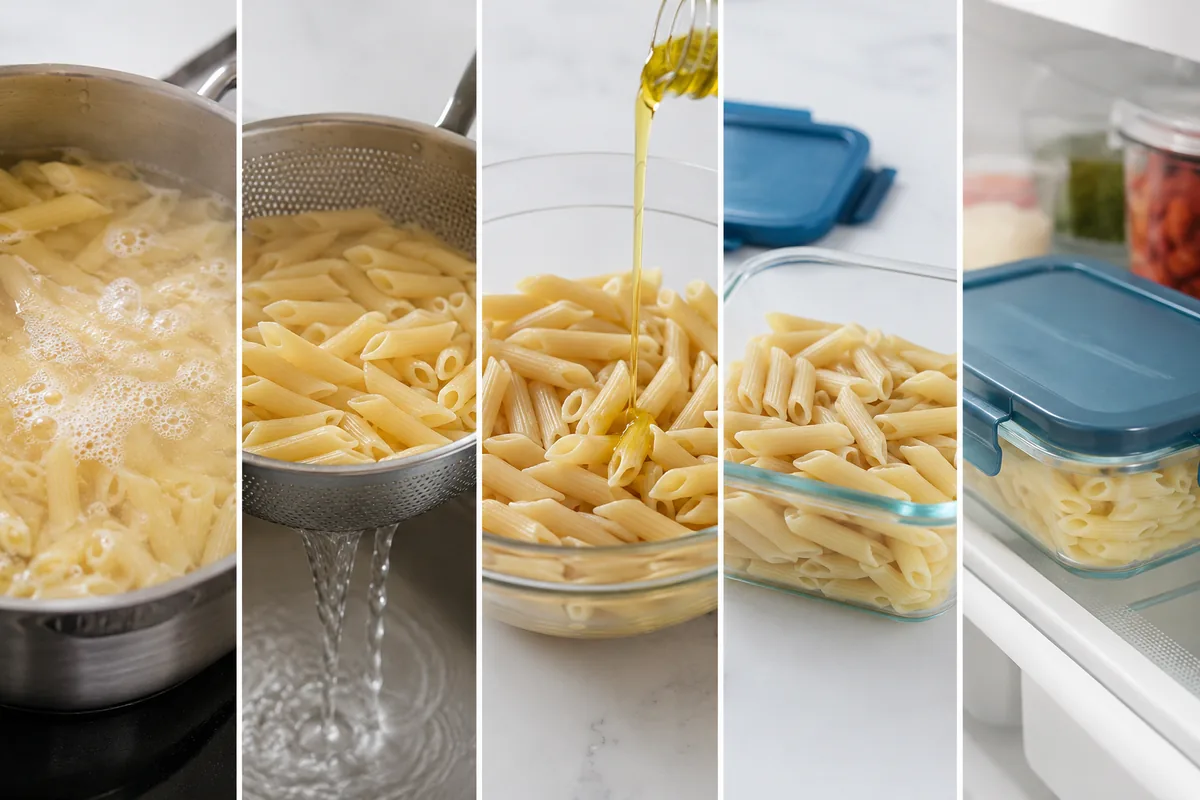
Cooling speed matters as much as the total day count. A big container of hot pasta dropped straight into the fridge can stay warm in the center for an hour or more, which keeps part of the dish in the danger zone. To cool it quickly, spread the pasta in a shallow container rather than a deep one, leave the lid slightly ajar until it stops steaming, then seal it. Smaller portions in several containers cool faster than one large heap.
There is also a practical reason not to dump a steaming pot of leftovers directly into the refrigerator: the heat raises the temperature inside the appliance and can nudge other foods, like milk or raw meat, toward the danger zone too. A modern fridge will recover, but you make its job easier by letting the pasta lose its worst heat on the counter for ten or fifteen minutes first, then refrigerating it well within the two-hour limit. If you are in a real hurry, set the container in a bowl of ice water and stir the pasta a few times, which pulls the temperature down in minutes rather than the better part of an hour.
How to store cooked pasta so it lasts the full window
Storage technique is the difference between pasta that is still good on day four and pasta that turns gummy or dries out by day two. A few simple moves protect both safety and texture.
Start with an airtight container or a heavy resealable bag with the air pressed out. Air exposure dries the surface and invites off flavors and faster spoilage. For plain pasta that you plan to dress later, toss it with a teaspoon or two of olive oil before sealing it. The oil coats the noodles and keeps them from clumping into one solid brick, so they loosen up easily when you reheat. If you have a good homemade pasta sauce ready to go, you can also store the noodles already coated in sauce, which keeps them from drying out at all.
Label the container with the date if your memory is anything like most people’s. A piece of tape and a marker removes all the guesswork on day three when you are staring at a tub and trying to remember which dinner it came from. If you batch-cook on Sunday, this one habit pays for itself all week.
Keep sauce and noodles together or apart?
Either approach works, and the right one depends on your plans. If you will eat the leftovers as a finished dish, store the pasta already sauced so the noodles stay moist and the flavors meld. If you want maximum flexibility, store plain pasta and sauce separately, then combine and reheat only what you need. Separate storage also lets you repurpose the noodles into a cold pasta salad or a different sauce later in the week.
How to tell when refrigerated pasta has gone bad
Dates are a guide, not a guarantee. Your eyes, nose, and fingers are the final check. Toss the pasta if you notice any of these warning signs, even if it is technically within the day range.
| Sign | What it means |
|---|---|
| Slimy or sticky film on the noodles | Bacterial growth has started; discard |
| Sour, yeasty, or off smell | Spoilage is underway; do not eat |
| White, green, or black fuzzy spots | Mold; throw the whole container out |
| Dull, grayish, or faded color | Oxidation and age; quality is gone |
| Pasta sat out overnight | Unsafe regardless of appearance; discard |
A slimy coating is usually the first and clearest tell, and it often shows up just before visible mold. When pasta crosses that line, there is no rescuing it by rinsing or reheating, because the bacteria and any toxins they produced are already there. The honest rule is the old one: when in doubt, throw it out. A few dollars of noodles is not worth a night of food poisoning. If you want a deeper look at shelf life and spoilage, our guide on whether pasta can go bad covers dry, fresh, and cooked pasta in detail.
Reheating leftover pasta without drying it out
Refrigerated pasta firms up and loses moisture, so the goal when reheating is to put water and heat back without turning it to mush. The method depends on whether the pasta is plain or sauced.
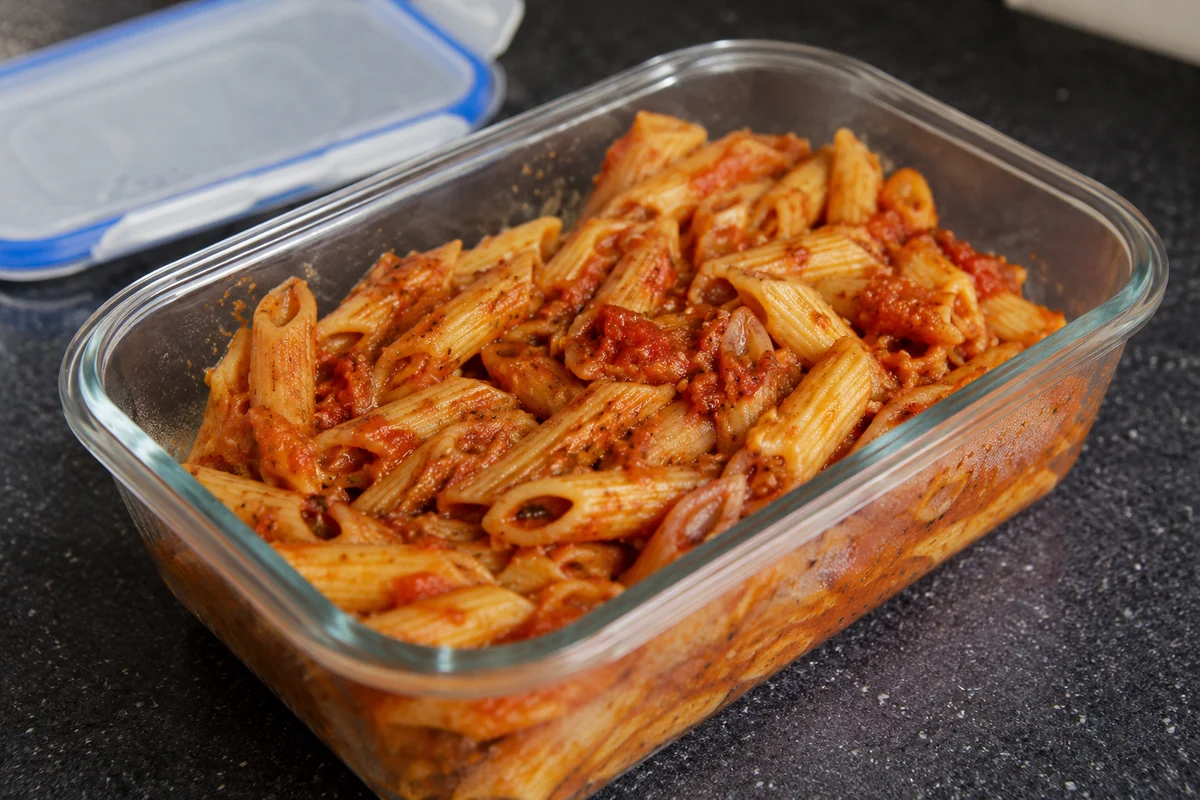
For sauced pasta, the stovetop is your friend. Add the pasta to a pan with a splash of water or a spoonful of extra sauce, cover it, and warm it over medium-low heat, stirring now and then, until it is hot through. The added liquid steams the noodles back to life. The microwave works too: cover the bowl with a damp paper towel, add a tablespoon of water, and heat in 30-second bursts, stirring between each so it warms evenly.
For plain pasta, the fastest revival is a quick dunk. Drop the cold noodles into a strainer and lower it into boiling water for 30 to 60 seconds, then drain and dress. They come out loose and hot, almost like they were just cooked. This is the same starch-friendly logic the editors at Food Network recommend for cooking pasta in the first place. Whatever method you use, only reheat the portion you plan to eat. Repeated cooling and reheating cycles each take a bite out of safety and texture, so reheat once and finish what you warm.
When to freeze pasta instead of refrigerating
If you know you will not get to the leftovers within a few days, the freezer buys you far more time. Cooked pasta freezes well for one to two months without much loss of quality, and sauced pasta dishes like baked ziti freeze even better because the sauce protects the noodles from freezer burn.
To freeze cooked pasta, cool it completely, toss plain noodles with a little oil, and pack it into airtight freezer bags or containers in meal-sized portions. Press out the air, lay the bags flat, and label them with the date. Frozen this way, the pasta thaws and reheats in minutes. Fresh homemade pasta freezes beautifully too, which is one reason batch-making a big sheet of dough is worth the effort. If you are curious about rolling your own, our walkthrough on homemade pasta covers shaping and storing fresh noodles. For freezing, aim to cook the pasta just to al dente first, since slightly firm noodles survive the freeze-and-reheat cycle better than soft ones.
Thawing and using frozen pasta
You usually do not need to thaw frozen pasta at all. Drop frozen plain noodles straight into boiling water for a minute, or add a frozen sauced portion to a covered pan over low heat and let it come up to temperature slowly. Baked dishes can go from freezer to oven, covered with foil, with a little extra time added. The convenience of a freezer stash is hard to beat on a busy weeknight.
Quick storage cheat sheet
Here is the whole system in one glance, from the pot to the plate, so you never have to second-guess a container of leftover pasta again.
| Step | What to do |
|---|---|
| 1. Cool fast | Shallow container, refrigerate within 2 hours (1 hour if hot out) |
| 2. Store right | Airtight container; toss plain pasta with oil |
| 3. Track time | Label with date; plain 3-5 days, meat or seafood 2-3 days |
| 4. Check before eating | No slime, no sour smell, no mold, no dull color |
| 5. Reheat once | Add liquid; warm only what you will eat |
| 6. Freeze for longer | 1 to 2 months in airtight, portioned bags |
FAQ
How long is plain cooked pasta good for in the fridge?
Plain cooked pasta with no sauce lasts 3 to 5 days in the fridge when stored in an airtight container at or below 40 degrees Fahrenheit. Tossing it with a little olive oil before sealing keeps the noodles from clumping and helps preserve texture for the full window.
Can I eat pasta that has been in the fridge for a week?
It is best not to. Most cooked pasta is only reliably safe for up to 5 days, and dishes with meat or seafood for 2 to 3 days. By a week, even pasta that looks fine may carry enough bacteria to make you sick. If you are past the recommended window, the safe choice is to discard it.
Does pasta with sauce last as long as plain pasta?
Usually a day less. Plain pasta keeps 3 to 5 days, while sauced pasta is generally good for 3 to 4 days, and cream or cheese sauces sit at the shorter end because dairy spoils faster. Pasta with cooked meat or seafood mixed in should be eaten within 2 to 3 days.
How can I tell if refrigerated pasta has gone bad?
Look for a slimy or sticky film, a sour or off smell, fuzzy mold spots, or a dull grayish color. A slimy surface is usually the earliest sign and often appears just before mold. If you notice any of these, throw the pasta out rather than trying to rinse or reheat it.
Should I store leftover pasta with or without sauce?
Both work. Store it sauced if you plan to eat it as a finished dish, since the sauce keeps the noodles moist. Store plain pasta and sauce separately if you want flexibility to reheat smaller portions or repurpose the noodles into a salad or a different dish later in the week.
Is it safe to reheat refrigerated pasta more than once?
It is best to reheat pasta only once. Each cooling and reheating cycle gives bacteria another chance to grow and degrades the texture. Reheat only the portion you intend to eat, warm it until it is hot all the way through, and avoid returning it to the fridge for a second round.
Bottom line
How long pasta is good for in the fridge comes down to what is in it: 3 to 5 days for plain cooked noodles, 3 to 4 days once sauce or cheese is involved, and just 2 to 3 days when meat or seafood joins the dish. Cool it quickly, seal it airtight, and check it with your nose and eyes before every reheat. When the days run long or the leftovers pile up, the freezer extends your runway to a month or two. Treat those simple habits as routine, and you will waste less pasta, eat it at its best, and never have to wonder whether last night’s dinner is still safe to enjoy.