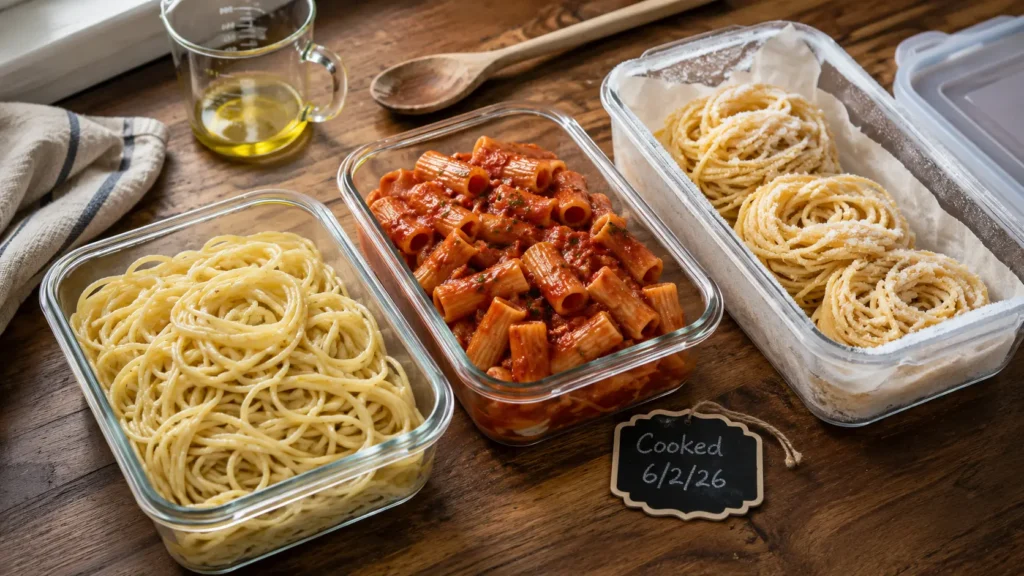
How can I store cooked pasta so it stays fresh instead of turning into a clumpy, slimy brick? The essentials are quick. Cool the pasta promptly, get it into an airtight container within two hours of cooking, and refrigerate it for 3 to 5 days if it’s plain, or 2 to 3 days if it’s already mixed with sauce. If the pasta is bare, toss it with a little olive oil first so the strands don’t fuse into one solid clump. For longer storage, freeze it for up to 2 months, ideally in single-serving portions so you can pull out exactly what you need. The two things that actually matter are speed and air: cool it fast for safety, and seal it tight so it doesn’t dry out or absorb fridge odors. This guide covers every part, including the reheating tricks that bring day-old pasta back to life and the signs that tell you it’s time to throw it out.
The Short Answer at a Glance
If you remember nothing else, remember this rhythm: cool fast, seal tight, eat within a few days, or freeze. Plain pasta tossed with oil keeps best and longest because there’s no sauce to spoil; sauced pasta is more perishable but more convenient, since it’s a ready meal. Everything below is the detail behind those moves, the food-safety window you shouldn’t ignore, the storage times for each situation, and the handful of reheating methods that decide whether your leftovers taste revived or rubbery. None of it is complicated, but a few small habits make the difference between leftovers you look forward to and a sad container you end up scraping into the bin.
Cool It Fast: The Food-Safety Step You Can’t Skip

Before any container, there’s a safety rule worth taking seriously. Cooked pasta left at room temperature sits in the bacterial “danger zone” between about 40 and 140°F, where bacteria multiply quickly, and starchy cooked foods like pasta and rice are particularly worth handling carefully. The rule is simple: get cooked pasta into the fridge within two hours of cooking, or within one hour if the room is hot. To cool a big batch quickly, spread it on a sheet pan rather than leaving it mounded in the hot pot, since a shallow layer drops in temperature far faster than a deep one. Don’t seal piping-hot pasta in a sealed container and shove it in the fridge either, because the trapped heat raises the fridge temperature and leaves condensation that makes pasta soggy. Let it cool to warm, then seal and chill. If you’re in a hurry, spreading the pasta thin and even running the colander under cool water for plain pasta speeds things along safely, as long as it then goes straight into the fridge. The two-hour clock is the rule that matters most, and it’s an easy one to honor once you’re in the habit of getting leftovers put away before you sit down to eat rather than after. For the broader principles of safe storage and the danger zone, the basics of food safety are worth knowing for every leftover, not just pasta.
Storing Plain Cooked Pasta in the Fridge
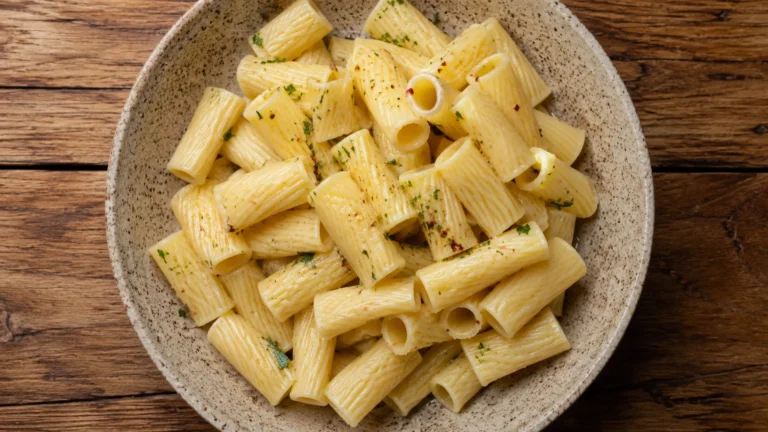
Plain cooked pasta with no sauce is the easiest to store and keeps the longest. The key step is to toss it with a light coating of olive oil before it goes in the container, because the oil keeps the strands from sticking together into a single mass as the surface starch cools and sets. Transfer it to an airtight container, press out excess air, and refrigerate. Stored this way, plain pasta keeps for 3 to 5 days. When you’re ready to use it, a quick dip in boiling water or a toss in a hot sauce loosens it right back to tender. Storing pasta plain and saucing it fresh, rather than dressing the whole batch at once, is the trick to leftovers that taste freshly made rather than tired.
Storing Pasta Already Mixed with Sauce
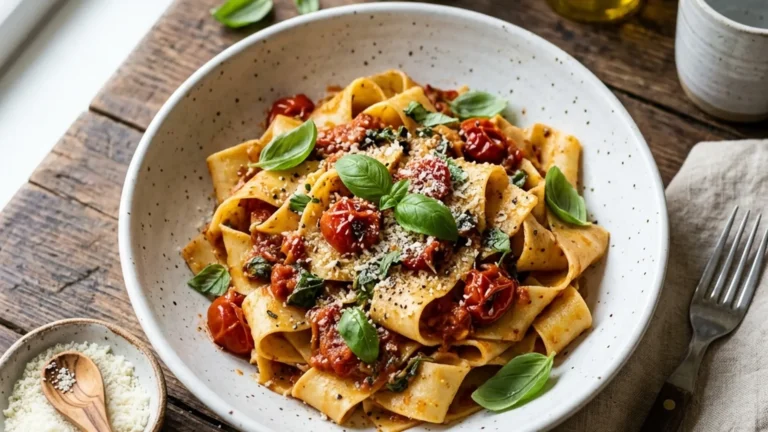
Pasta that’s already tossed with sauce is pure convenience, a ready meal waiting in the fridge, but it doesn’t last as long. Keep sauced pasta in an airtight container and eat it within 2 to 3 days, since the sauce shortens the window. Cream and dairy-based sauces are the most perishable, so lean toward the shorter end with those, while oil and tomato sauces are a little more forgiving. One upside: pasta stored in sauce often tastes even better the next day, because it keeps absorbing flavor as it sits. A baked dish like a baked caprese rigatoni stores and reheats especially well, since it’s built to be sturdy and the sauce keeps the pasta moist through reheating.
Freezing Cooked Pasta

For storage beyond a few days, the freezer is your friend, and cooked pasta freezes better than most people expect. Both plain and sauced pasta freeze for up to 2 months in a sealed freezer bag or container. The smartest move is to freeze it in single-serving portions: shape plain pasta into loose nests on a tray, freeze them solid, then bag them, so you can grab exactly one serving without thawing the whole lot. This nest trick is the same one that makes a batch of pasta nests so handy for fast dinners. Slightly undercook pasta you plan to freeze, since it’ll finish cooking when reheated, and press the air out of the bag to prevent freezer burn. To use, drop frozen plain pasta straight into boiling water or simmering sauce for a minute or two; no thawing needed. Sauced and baked dishes freeze well too, though they’re best thawed overnight in the fridge before reheating so they warm through evenly. Cream and cheese sauces are the one weak spot: they can separate or turn slightly grainy after freezing, so if you’re freezing on purpose, freeze the pasta and the cream sauce separately and combine them fresh. A flat freezer bag, frozen lying down, stacks neatly and thaws faster than a fat round container, which is a small thing that makes a packed freezer far more usable.
Cooked Pasta Storage Times
| Type | Fridge | Freezer |
|---|---|---|
| Plain pasta (tossed with oil) | 3 to 5 days | Up to 2 months |
| Pasta with tomato/oil sauce | 2 to 3 days | Up to 2 months |
| Pasta with cream/cheese sauce | 2 to 3 days | 1 to 2 months (may separate) |
| Baked pasta (lasagna, etc.) | 3 to 5 days | Up to 2 months |
The Best Ways to Reheat Cooked Pasta
How you reheat decides whether leftovers taste revived or sad. The universal rule is to add moisture, because refrigerated pasta dries out and a splash of water, broth, or sauce brings it back. For plain pasta, the fastest fix is a quick dunk in boiling water for 30 to 60 seconds, which loosens and reheats it in one move. In the microwave, add a splash of water or sauce, cover loosely with a damp paper towel, and heat in one-minute bursts, stirring between each. On the stovetop, reheat sauced pasta in a pan over medium with a splash of water, tossing until hot and glossy again. For baked dishes, cover with foil and warm in a moderate oven so they heat through without drying on top. Whatever the method, heat leftovers thoroughly until steaming hot through the middle, which keeps them safe as well as appetizing.
How to Tell If Cooked Pasta Has Gone Bad
When in doubt, throw it out, but here’s what to look for. Spoiled cooked pasta often turns slimy or sticky on the surface in a way that fresh leftovers aren’t, develops an off or sour smell, or shows any spots of mold, which can be white, green, or black. Discoloration, a strange film, or a fermented smell all mean it’s done. Plain pasta past 5 days or sauced pasta past 3, even if it looks fine, isn’t worth the risk; the danger with starchy foods isn’t always visible. Labeling containers with the date you cooked them takes two seconds and removes all the guesswork, so you’re never standing at the fridge trying to remember whether that was Tuesday’s pasta or last week’s.
Meal Prep: Cooking Pasta Ahead on Purpose
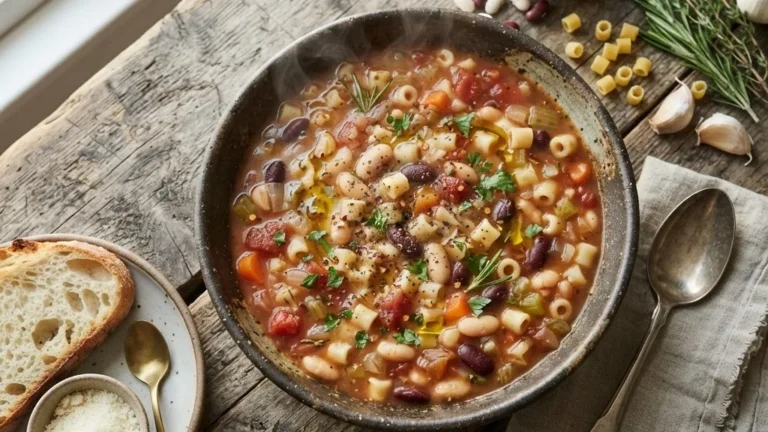
Once you trust the storage rules, cooking pasta ahead becomes a genuine time-saver rather than just dealing with leftovers. Boil a big batch slightly under al dente, toss it with oil, and portion it into containers for the week; it reheats to perfect doneness because you stopped it early. Keep the sauce separate and combine at mealtime for the freshest result, or pre-assemble full portions for grab-and-go lunches. Hearty dishes built for keeping, like soups and bakes, store even better than plain pasta, which is why a pot of broth and noodle soup is such a smart batch-cook, though you’ll want to store the noodles separately so they don’t bloat in the broth. A couple of hours of cooking on a Sunday turns into a week of fast, home-cooked dinners. The portioning is the real secret here: dividing the batch into single servings the moment it cools means you reheat only what you’ll eat, which protects both the texture and the safety of the rest. Glass containers with snug lids work best, since they don’t stain or hold odors the way plastic can, and they go straight from fridge to microwave. Stack them by day and your week of lunches is quite literally done before Monday morning, with no decisions left to make when you’re tired and hungry.
Refreshing Clumpy or Dried-Out Leftover Pasta
Even well-stored pasta can come out of the fridge stuck together or looking tired, and it’s almost always recoverable. For a clumped block of plain pasta, the fix is heat and water: lower it into boiling water for 30 to 60 seconds and the strands loosen and separate as the surface starch softens, then drain and use immediately. For dried-out sauced pasta, add a splash of water, broth, or a little extra sauce and reheat gently while tossing, and it plumps back up as it reabsorbs moisture. A knob of butter or a drizzle of olive oil stirred in at the end restores some of the gloss and richness that the fridge flattens. The one thing that won’t fix tired pasta is dry heat alone, which only drives off more moisture, so always reintroduce a little liquid. Treated this way, day-three pasta can taste startlingly close to fresh.
Storing Cooked Versus Fresh and Dried Pasta
It’s worth being clear about what we’re storing, because the rules differ. This guide is about cooked pasta, the leftovers from a boiled pot. Uncooked dried pasta from a box is a different animal entirely: sealed in the pantry it lasts a year or more, so there’s nothing to manage beyond keeping it dry. Fresh uncooked pasta, the soft egg dough kind, is the most perishable raw form, lasting only a couple of days in the fridge and best frozen if you’re not using it soon, because the egg makes it spoil faster than dried. Once any of them is cooked, though, they all follow the same cooked-pasta rules in this guide: cool fast, seal airtight, and use within a few days or freeze. Knowing which form you have in front of you saves both waste and worry.
Common Pasta Storage Mistakes
Most leftover disasters come from the same short list. Leaving pasta out too long after cooking risks bacterial growth, so chill it within two hours. Storing plain pasta without oil lets it fuse into an unbreakable clump. Sealing it hot traps steam and turns it soggy, so cool it first. Reheating without added moisture leaves it dry and rubbery. And keeping it too long, trusting your eyes over the calendar, is how leftovers turn risky, since not all spoilage is visible. Avoid those five and your stored pasta will reheat almost as good as the day you made it, every time.
FAQ
How can I store cooked pasta so it doesn’t stick together?
Toss plain cooked pasta with a light coating of olive oil before sealing it in an airtight container. The oil keeps the strands from fusing as the surface starch cools. A quick dip in boiling water or a toss in hot sauce loosens any sticking when you reheat.
How long does cooked pasta last in the fridge?
Plain cooked pasta keeps 3 to 5 days in an airtight container; pasta already mixed with sauce keeps 2 to 3 days. Cream and cheese sauces are the most perishable, so eat those toward the shorter end.
Can you freeze cooked pasta?
Yes, for up to 2 months. Freeze it in single-serving nests or portions, slightly undercooked, with the air pressed out of the bag. Reheat plain pasta straight from frozen in boiling water or simmering sauce, no thawing needed.
How do I reheat cooked pasta without it drying out?
Add moisture. Dunk plain pasta in boiling water for under a minute, or microwave it with a splash of water under a damp paper towel, or reheat sauced pasta in a pan with a little water until hot and glossy.
Is it safe to leave cooked pasta out overnight?
No. Cooked pasta left at room temperature for more than two hours falls in the bacterial danger zone and should be discarded. Always refrigerate leftovers within two hours of cooking.
How can I tell if cooked pasta has gone bad?
Look for a slimy or sticky surface, an off or sour smell, or any mold. Discoloration or a strange film also means it’s time to toss it. When unsure, throw it out, since spoilage in starchy foods isn’t always visible.
Should I store pasta and sauce together or separately?
For the best texture and longest life, store them separately and combine when reheating, since plain pasta keeps 3 to 5 days while sauced keeps only 2 to 3. Storing them together is more convenient and the pasta absorbs flavor, but eat it within a couple of days.
Can I reheat pasta more than once?
It’s best to reheat only the portion you’ll eat, rather than reheating the whole batch repeatedly. Each cool-and-reheat cycle is another trip through the danger zone and degrades texture, so divide leftovers into portions and reheat each just once.
Bottom Line
So, how can I store cooked pasta and actually enjoy it later? Cool it within two hours, toss plain pasta with a little oil, and seal it airtight; then count on 3 to 5 days in the fridge for plain pasta, 2 to 3 for sauced, or up to 2 months in the freezer in tidy single portions. Reheat with a splash of moisture and it comes back tender instead of rubbery, and a quick sniff-and-look check keeps you safe. Get the cool-fast, seal-tight rhythm down and leftovers stop being an afterthought; they become the easiest good dinner of the week, already half-made and waiting for you.