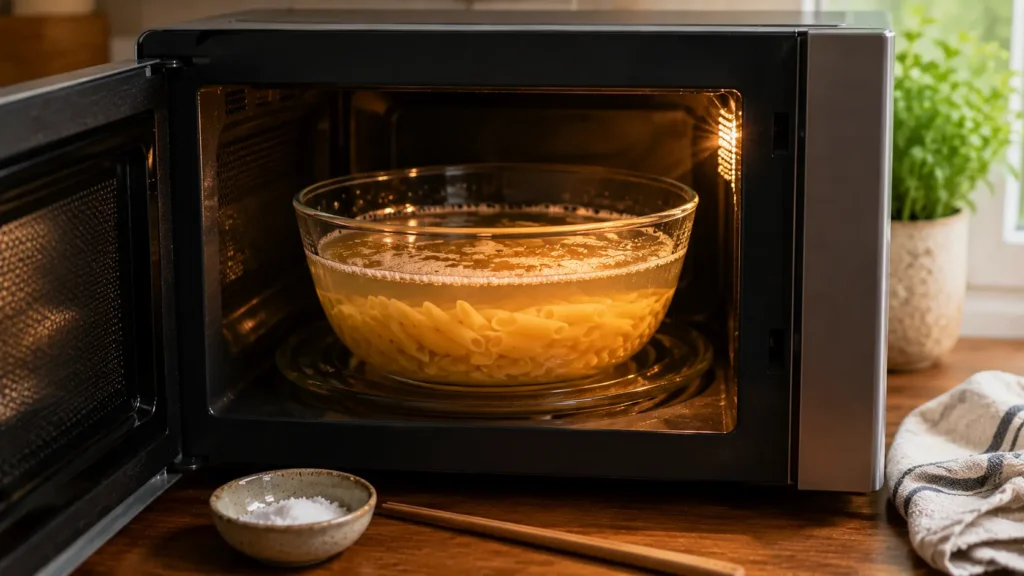
How can I cook pasta in the microwave when I don’t have a stove, a second burner, or the patience to wait for a big pot to boil? You can, and it works better than its reputation suggests. Put your pasta in a deep, microwave-safe bowl, cover it with water by about two inches, add a pinch of salt, and microwave it uncovered for the time on the box plus about three minutes, stirring partway through and tasting near the end. Drain, sauce, eat. It’s slower than a rolling boil and it asks you to babysit the bowl so it doesn’t foam over, but for a single serving, a dorm room, an office kitchen, or a stovetop that’s already full, the microwave turns out perfectly tender pasta with nothing but a bowl and a fork. This guide covers the method step by step, times by shape, how to stop the dreaded boil-over, and how to reheat yesterday’s pasta without turning it to rubber.
The Quick Version: Yes, You Can
The short answer to “can you cook pasta in the microwave” is a confident yes, with one honest caveat: it isn’t faster than the stove, and it needs a little attention. What it is, is convenient. No waiting on a giant pot, no extra burner, no real cleanup beyond one bowl. The core idea is simple: pasta cooks whenever it sits in hot water long enough, and a microwave heats water just fine. The whole method is about giving the pasta enough water to swim in, enough room to bubble without overflowing, and a stir or two so it doesn’t clump into a single sad lump. Nail those three and the result is genuinely good.
What You Need: Bowl, Water, and a Little Headroom

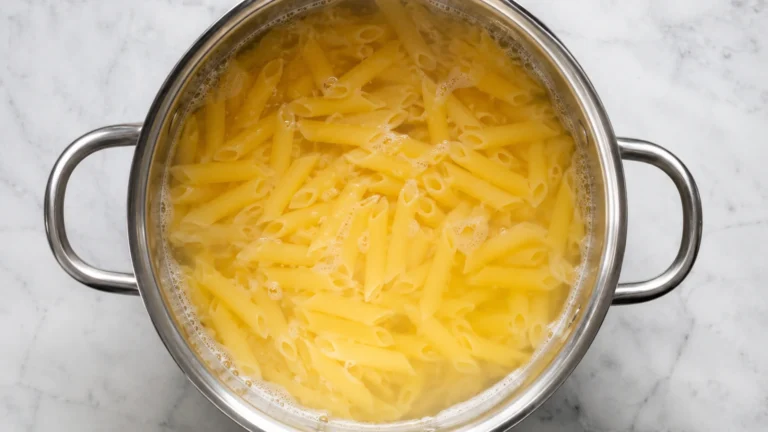
The most important piece of equipment is a bowl that’s far bigger than you think you need. Pasta roughly doubles in volume as it cooks, and the starchy water foams up aggressively in a microwave, so a bowl filled more than halfway is a boil-over waiting to happen. Pick a deep, microwave-safe bowl and fill it no more than a third with dry pasta. Cover the pasta with water by about two inches (5 cm), because the pasta needs to stay fully submerged the entire time or the exposed bits turn dry and chewy. Add a generous pinch of salt and a stir. That’s the whole setup. No lid, which matters more than it sounds, as you’ll see in a minute.
A word on the bowl material, because it matters for safety. Use glass or a microwave-safe ceramic; avoid anything metal, obviously, and be cautious with thin plastic, which can warp or leach under long, hot cooking. The bowl will get genuinely hot from the water, not just from the microwave, so keep an oven mitt or a folded towel nearby for when you pull it out. And give the bowl a quick check for a “microwave-safe” stamp on the bottom if you’re not sure; the long cook time here is more demanding than a 30-second reheat, so a dish that’s borderline for reheating may not be right for this.
Step by Step: Cooking Dry Pasta in the Microwave
Here’s the full sequence, start to finish.
First, add your dry pasta to the deep bowl and cover it with water by two inches, then stir in a pinch of salt. Second, microwave it uncovered on full power for the time printed on the box plus about three minutes, since a microwave heats water less ferociously than a stovetop and the pasta needs longer to reach and hold a cook. Third, stir at the halfway point and again with a few minutes to go, breaking up any pieces that have stuck. Fourth, start tasting in the last minute or two, microwaving in 30-second bursts until the pasta is al dente, tender with a faint bite. Finally, drain off the cloudy water through a colander, and if you’re not saucing immediately, toss the pasta with a little olive oil so it doesn’t glue itself together. From there it’s exactly like stovetop pasta: toss it with your sauce and serve, whether that’s a jarred marinara or a quick homemade pesto pasta you stir together while the bowl cooks.
Microwave Times by Pasta Shape
Microwave wattage varies a lot, so treat these as starting points and taste before you trust them. The rule of thumb is always “box time plus about three minutes,” adjusted by how powerful your microwave is.
| Pasta | Approx. microwave time |
|---|---|
| Spaghetti / linguine | 11 to 13 min |
| Penne / rigatoni | 13 to 15 min |
| Macaroni / small shells | 10 to 12 min |
| Fusilli / rotini | 12 to 14 min |
| Fresh pasta | 4 to 6 min |
How to Stop Pasta Boiling Over in the Microwave
The number one complaint about microwave pasta is the starchy foam erupting over the rim and onto the turntable. It’s avoidable. The biggest fix is the one already mentioned: cook it uncovered. A lid traps steam and pressure and all but guarantees an overflow; an open bowl lets the foam settle back down. Second, use a bowl with real headroom, filled no more than a third with dry pasta, so there’s somewhere for the bubbles to go. Third, if your microwave runs hot, drop to 70 to 80 percent power and add a couple of minutes; a gentler heat foams far less. A wooden skewer or chopstick laid across the bowl can also help break the surface tension. Combine those and the boil-over simply stops happening.
Reheating Cooked Pasta in the Microwave
Cooking raw pasta is one job; reheating leftovers is the more common one, and the microwave is genuinely good at it if you add moisture. Plain cooked pasta dries out and turns rubbery when nuked bare, so the trick is to add a splash of water or a spoonful of sauce and cover the bowl loosely with a damp paper towel to trap steam. Heat it in one-minute bursts, stirring between each, until it’s hot through, usually two to three minutes for a single portion. Pasta that’s already coated in sauce reheats best of all, because the sauce keeps it moist. For a dish like a baked caprese rigatoni, a damp paper towel and gentle bursts bring it back almost like new. Stirring matters: microwaves heat unevenly, and a stir keeps the edges from scorching while the center is still cold.
Single-Serving Mug Pasta
For one person and a true minimum of cleanup, you can cook pasta right in a large microwave-safe mug. Use a small shape like macaroni or broken spaghetti, fill the mug no more than a quarter with dry pasta, cover with water by an inch or two, and microwave in bursts, watching closely because a mug overflows even more easily than a bowl. It’s the fastest path to a single hot serving, and from there you can stir in a spoonful of sauce, a handful of cheese, or a quick vegan pasta dressing right in the mug. It won’t rival a carefully sauced plate, but as a five-minute solo lunch it more than earns its place.
Which Pasta Shapes Work Best in the Microwave
Not every shape behaves the same in a bowl of microwaved water. Short, sturdy shapes like penne, rigatoni, macaroni, fusilli, and small shells are the easiest to cook evenly, because they tumble freely and stay submerged with a quick stir. Long strands like spaghetti and linguine work too, but they need a bowl wide enough to lay them flat or a deep one where you can push them under as they soften; sticking a stiff bundle of dry spaghetti into a too-small bowl leaves the tops dry and the bottoms gummy. Fresh and filled pasta can be done in the microwave but cooks so fast that it’s easy to blow past tender into mushy, so cut the time sharply and watch it. As a rule, the smaller and sturdier the shape, the more forgiving the microwave is, which is why a mug of macaroni is the classic dorm-room move and a tangle of angel hair is not.
One-Bowl Microwave Pasta: Cooking the Sauce In, Too

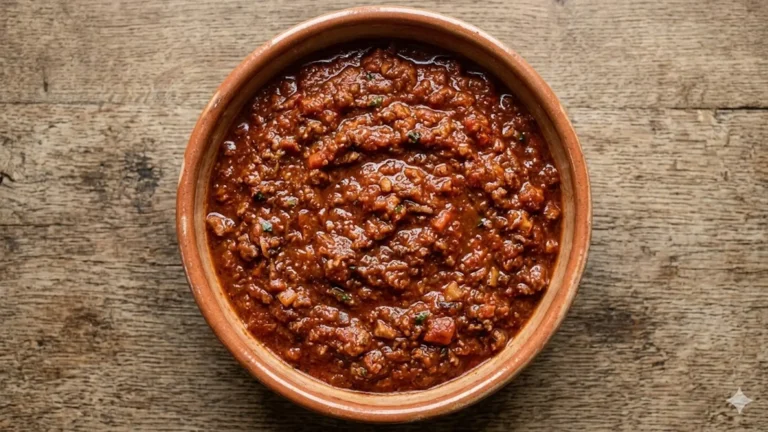
For the absolute minimum of dishes, you can build a whole meal in one bowl. Cook the pasta as usual, then instead of draining all the water, leave a few tablespoons of the starchy liquid behind and stir in your sauce ingredients directly: a spoonful of tomato sauce or pesto, a handful of grated cheese, a knob of butter, a crack of pepper. The residual heat melts the cheese and butter into a quick, glossy coating, and the starchy water helps it cling, the same emulsion trick that works on the stove. It’s how a plain bowl of macaroni becomes a fast cheesy dinner with zero extra pans. You can lean on a jarred sauce or a homemade one; even a simple gluten-free pasta dish comes together this way for anyone avoiding wheat, since the method cares about the water and the bowl, not the flour. The trade-off is a little less control than a proper stovetop toss, but for speed and cleanup it’s unbeatable.
When the Microwave Isn’t the Right Call
The microwave shines for one or two servings and for reheating, but it has limits worth knowing. For a big batch, the stove wins easily, because a giant bowl of water takes forever to heat and foams over more readily. For dishes where you want to finish the pasta in a sauce with that glossy, emulsified coating, the stovetop’s control is hard to match. And very delicate fresh pasta can overcook in a blink in a hot bowl. Think of the microwave as the right tool for small, fast, low-fuss jobs, and the stove as the tool for anything you’re plating with care. Knowing which job you have in front of you is half the battle.
Microwave Versus Stove: The Honest Trade-Off
It helps to be clear-eyed about what you gain and lose. The microwave’s wins are real: no extra burner, which is gold when every stovetop ring is busy with sauce and sides; one bowl to wash instead of a pot and a colander; and a method that works anywhere there’s an outlet, from a dorm to an office to a cramped studio kitchen. What you give up is speed and control. A microwave doesn’t boil water as violently as a burner, so the same pasta takes longer, and the gentle, uneven heating means you have to stir and taste rather than trust a rolling boil to do the work. You also lose a little of the finesse of finishing pasta in a hot pan, where the sauce reduces and grips under high heat.
None of that makes the microwave wrong; it makes it a specialist. Reach for it when the job is small, when the stove is full, or when washing a big pot feels like more effort than the meal is worth. Reach for the stove when you’re cooking for a table, chasing a glossy emulsified sauce, or handling delicate fresh pasta that needs a watchful eye. Used for the right job, the microwave isn’t a compromise at all; it’s simply the smarter tool for that particular moment.
Common Microwave Pasta Mistakes
Almost every microwave-pasta failure comes from the same few slip-ups. Too little water leaves pasta dry, sticky, and unevenly cooked, so keep it submerged by two inches the whole time. A bowl that’s too small or covered causes the boil-over, so go big and leave it open. Skipping the stir lets pieces fuse into a clump. Trusting the timer over your teeth leads to chalky or mushy results, because wattage varies so much; always taste near the end. And nuking leftovers without added moisture turns good pasta to rubber. Avoid those five and microwave pasta goes from a desperate last resort to a genuinely reliable method.
FAQ
How can I cook pasta in the microwave without it sticking?
Keep the pasta fully submerged in water by about two inches, stir it at the halfway point and again near the end, and toss the drained pasta with a little olive oil if you’re not saucing it right away. Enough water plus a stir or two is what prevents clumping.
How long does pasta take in the microwave?
Roughly the box time plus three minutes, which usually lands between 10 and 15 minutes depending on the shape and your microwave’s wattage. Start tasting in the last minute or two and cook in 30-second bursts until al dente.
Why does my pasta boil over in the microwave?
Starchy water foams up fast, especially under a lid. Cook uncovered, use a deep bowl filled no more than a third with dry pasta, and drop to 70 to 80 percent power if your microwave runs hot.
Do you cover pasta in the microwave?
No, not while cooking raw pasta, since a lid traps steam and causes boil-overs. When reheating cooked pasta, a loose damp paper towel is helpful to trap moisture, but the bowl should never be sealed tight.
Is microwaved pasta as good as stovetop?
For one or two servings and for reheating, it’s very close and perfectly good. For large batches or dishes you want to finish in sauce with a glossy coating, the stovetop still has the edge in control.
Can I reheat pasta in the microwave?
Yes, and it’s where the microwave excels. Add a splash of water or sauce, cover loosely with a damp paper towel, and heat in one-minute bursts, stirring between each, until hot through.
How much water do I use for microwave pasta?
Enough to cover the pasta by about two inches the entire time it cooks. Pasta that pokes above the surface dries out and cooks unevenly, so err on the side of more water rather than less, and keep the bowl no more than a third full of dry pasta to leave room for the foam.
What bowl is safe for cooking pasta in the microwave?
Use glass or microwave-safe ceramic, never metal, and be careful with thin plastic that can warp during a long cook. The bowl gets hot from the water itself, so use an oven mitt or towel when removing it, and look for a microwave-safe stamp if you are unsure.
Bottom Line
So, how can I cook pasta in the microwave? Drop it in a deep bowl, cover it with water by two inches, salt it, and microwave uncovered for the box time plus about three minutes, stirring partway and tasting toward the end. Keep the bowl big and open and the boil-over disappears; keep tasting and the texture lands right where you want it. It won’t replace a careful stovetop dinner, but for a single serving, a tiny kitchen, or a fast reheat, the microwave quietly gets the job done with nothing but a bowl, some water, and a couple of minutes of attention.