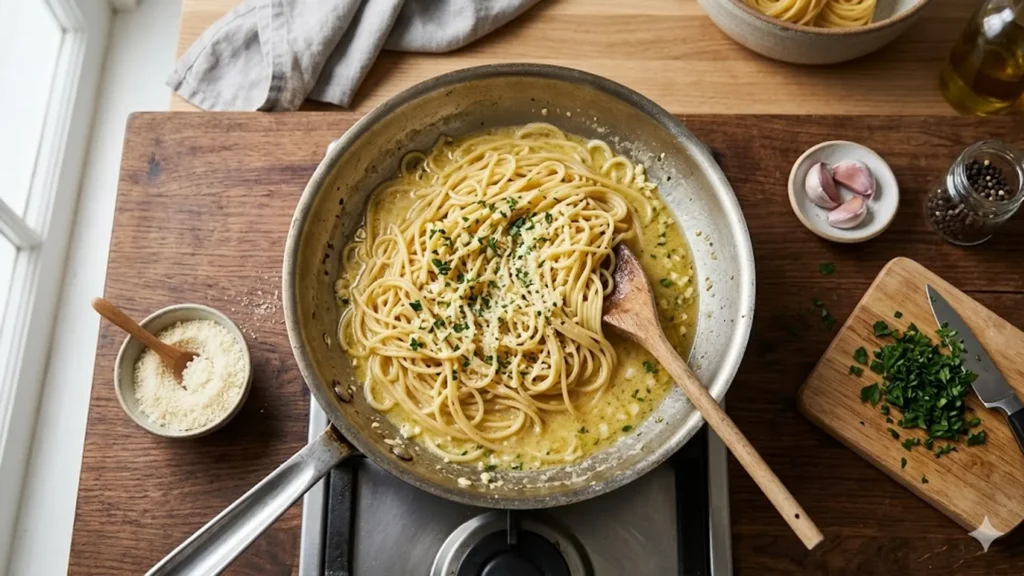
How to make a butter sauce for pasta comes down to one decision: do you want a glossy emulsified sauce, a nutty brown butter, or a garlic butter built for flavor. All three start with the same stick of butter, but the heat, the timing, and the liquid you add change everything. I treat butter as the most forgiving sauce base there is, because it needs no long simmer and no special ingredients, yet most home cooks still end up with greasy puddles or split sauces. This guide breaks down all three methods with exact ratios, the physics of why butter and water bind, the pasta shapes each method suits, and the fixes for a sauce that breaks.
The reason butter sauce feels like a restaurant trick is that it relies on emulsion rather than reduction. You are not cooking flavor in over half an hour; you are physically suspending butterfat in water so it coats the noodle in a velvet layer. Get the emulsion right and a three-ingredient sauce tastes richer than something that took an hour.
The Science: Why Butter and Pasta Water Make a Sauce
Butter is roughly eighty percent fat, sixteen percent water, and a few percent milk solids. On its own, melted butter is just oily fat that slides off pasta and pools on the plate. To turn it into a sauce, you need to emulsify that fat into a water base so it forms a creamy suspension instead of separating.
Pasta cooking water is the key. As pasta boils, it sheds starch into the water, and that dissolved starch acts as an emulsifier, coating the fat droplets and keeping them suspended. When you whisk cold butter into hot starchy pasta water, the starch wraps the fat and the result is a glossy, opaque sauce that the French call beurre monte, mounted butter. Cold butter works better than melted because the intact fat globules incorporate more smoothly without breaking.
This is why the single most repeated tip in every butter sauce recipe is to save your pasta water. Plain tap water will not emulsify butter; it just floats on top. The starch is the active ingredient. Salt your pasta water well, and reserve at least a cup before you drain so you have enough to build and adjust the sauce.
There is a practical reason to cook your pasta in slightly less water than usual when you plan a butter sauce. Less water means a higher concentration of dissolved starch, which makes a stronger emulsifier. Some cooks even keep a small jar of extra-starchy water by boiling a tablespoon of pasta in a cup of water on the side. You do not need to go that far, but it explains why restaurant butter sauces are so reliably glossy: their pasta water has been cooking many batches and is thick with starch. At home, do not rinse the pasta after draining either, because the thin starch film on the surface helps the sauce grip.
Method One: The Emulsified Butter Sauce
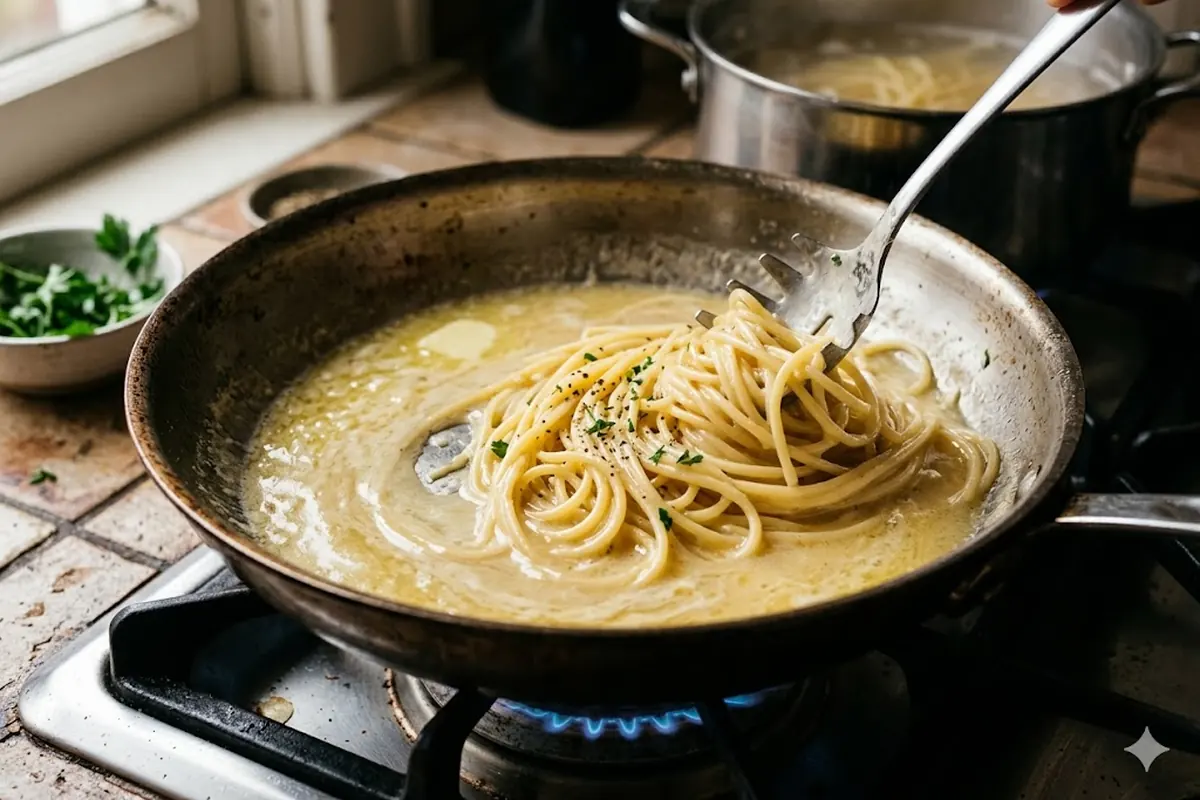
This is the cleanest, most versatile butter sauce and the one I make most. For four servings with a pound of pasta, you need six tablespoons of cold unsalted butter cut into cubes and about half a cup of starchy pasta water. That is it; everything else is optional flavoring.
Cook your pasta to one minute short of done. In a wide pan or skillet, bring about a third of a cup of the pasta water to a simmer. Drop the heat to low and whisk in the cold butter a few cubes at a time, letting each addition melt and emulsify before adding more. The sauce will turn pale, opaque, and glossy. Add the drained pasta and toss hard, adding more pasta water as needed until the sauce clings to every strand.
Use unsalted butter so you control the seasoning, then salt at the end. The sauce will look loose in the pan, but the pasta keeps absorbing liquid, so pull it off the heat while it still looks slightly wet. Finish with grated parmesan off the heat, a squeeze of lemon, or cracked black pepper. This method is the backbone of cacio e pepe and the lemon butter sauces that pair so well with seafood pasta.
The motion matters as much as the ingredients. Tossing, not stirring, is what builds the emulsion. Hold the pan handle and use a quick flipping motion, or use tongs to lift and fold the pasta through the butter and water repeatedly. Each pass introduces more starch and more agitation, which is exactly what forces the fat into suspension. If you simply stir gently with a spoon, the sauce stays loose and oily no matter how long you wait. Thirty to sixty seconds of vigorous tossing over low heat is usually enough to take the sauce from broken-looking to glossy and clinging.
Method Two: Brown Butter, the Nutty Upgrade
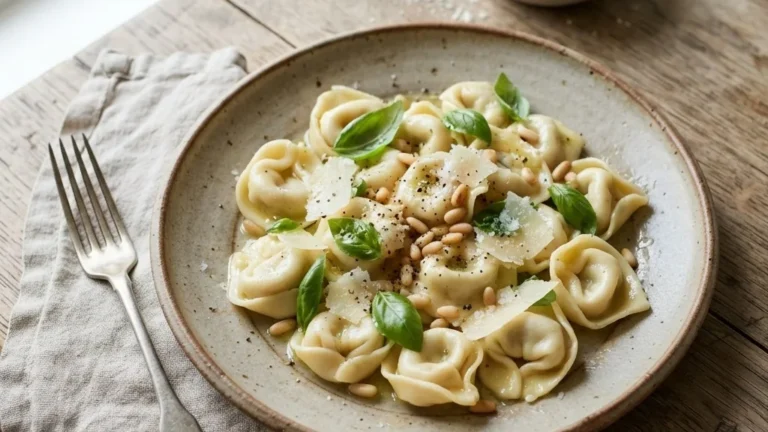
Brown butter, or beurre noisette, takes the same stick of butter and toasts the milk solids until they turn golden and smell like hazelnuts. It is the classic sauce for filled pasta like ravioli and tortellini, especially with sage.
For four servings, melt eight tablespoons of butter in a light-colored pan over medium heat so you can watch the color. The butter will foam, then quiet down, and the milk solids at the bottom will turn from pale to deep golden brown over about four to six minutes. The moment they smell nutty and look toasty, the browning must stop or it will burn fast. Add ten to twelve fresh sage leaves in the last minute so they crisp, then pull the pan off the heat and add a few tablespoons of pasta water to stop the cooking and loosen the sauce into a coating consistency.
Watch the color, not the clock, because brown butter goes from perfect to burnt in seconds. Use a pan with a light interior so the toasting solids are visible against the metal. Brown butter holds better than emulsified butter if you need to make it slightly ahead, but it is still best served right away.
Method Three: Garlic Butter Sauce
Garlic butter sauce layers aromatic flavor onto the butter base and works on almost anything, from pasta to shrimp to bread. For four servings, melt half a cup of butter over medium heat, then add four cloves of finely minced garlic and cook gently for one to two minutes until fragrant. Keep the heat at medium-low so the garlic turns sweet and pale gold, never brown, because burnt garlic turns the whole sauce bitter.
A splash of dry white wine added with the garlic cooks off the raw alcohol and adds brightness; let it reduce by half. Off the heat, stir in lemon juice and chopped parsley so they stay fresh. To turn this into a true pasta sauce rather than a dip, add half a cup of pasta water and toss with the noodles so the starch emulsifies the garlic butter into a clinging sauce instead of an oily slick.
How you cut the garlic changes the sauce. Finely minced garlic spreads its flavor evenly and almost melts into the butter, which is what you want for a smooth sauce. Thinly sliced garlic stays a little more distinct and toasts to gentle crisp edges, which some people prefer for texture. Crushed whole cloves infuse the butter with a mellow background garlic note and can be fished out before serving for the lightest touch. Whichever cut you choose, the cardinal rule is patience over heat: garlic scorches in seconds once the pan is too hot, and there is no rescuing a sauce built on burnt garlic, so keep the flame low and trust your nose.
Matching Butter Sauce to Pasta Shape
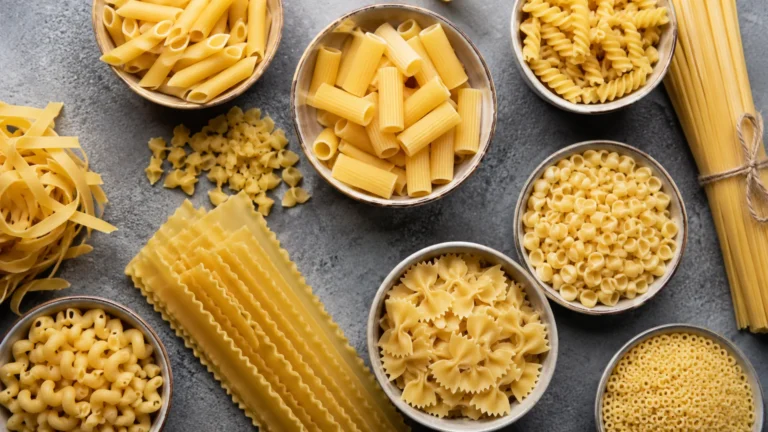
Butter sauces are thin and smooth, so they cling best to long strands and to filled shapes that trap pockets of sauce. Emulsified and garlic butter sauces shine on spaghetti, linguine, and fettuccine, where the long surface area carries the glossy coating. Brown butter is the traditional partner for ravioli, tortellini, and gnocchi, where the nutty fat pools in the folds.
Short ridged shapes like rigatoni or penne work too, but they call for a slightly tighter emulsion so the sauce does not slide off into the bottom of the bowl. If you are exploring which shapes suit which sauces in general, my guide to the different types of pasta breaks down the pairing logic, and the homemade pasta guide shows how to roll fresh sheets that drink up a butter sauce beautifully.
Troubleshooting a Broken or Greasy Butter Sauce
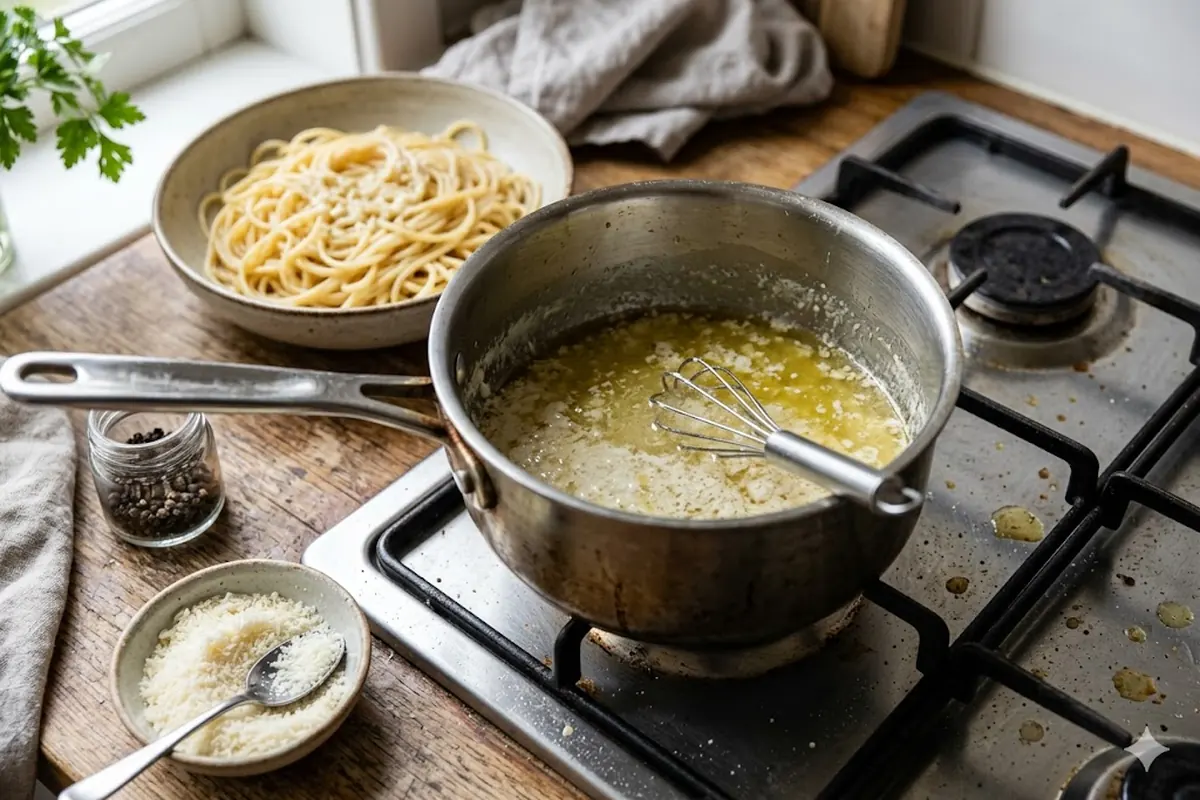
The most common failure is a broken sauce, where the butterfat separates out and the sauce looks oily and thin instead of creamy. This almost always happens because the heat was too high, which boils the water out faster than the fat can stay suspended, or because there was not enough starchy water to hold the emulsion.
To fix a broken sauce, pull the pan off the heat and whisk in a tablespoon or two of cold pasta water, or even a single cold butter cube. The sudden temperature drop and fresh liquid often re-form the emulsion. Keep the heat low throughout, since a butter emulsion is a gentle suspension, not a hard simmer. If the sauce is greasy, you likely used too much butter for the amount of water; add more starchy water and toss harder.
The second common problem is a sauce that tightens into a clump as it cools. Butter firms up at room temperature, so serve butter pasta immediately on warm plates. If it stiffens before everyone is seated, a splash of hot pasta water and a quick toss brings it right back to a silky coating.
A third issue is a sauce that tastes thin or one-dimensional. Butter is mild, so a plain butter sauce needs a punch of contrast to keep it from feeling flat. Salt is the first lever, and most under-seasoned butter sauces just need more of it. Acid is the second: a squeeze of lemon or a grating of hard cheese sharpens the richness and makes the whole plate taste brighter. Black pepper, toasted in the butter for a few seconds, adds a warm bite that is the entire point of cacio e pepe. If your sauce is technically correct but boring, it is almost always missing salt, acid, or pepper rather than more butter.
Flavor Variations Worth Trying
Once you can make the base, the variations are endless. A spoon of white miso whisked into emulsified butter adds savory depth. A few melted anchovy fillets disappear into the fat and leave a rich umami backbone without tasting fishy. Lemon zest and juice make a bright sauce for shrimp or asparagus pasta. Chili flakes add heat, and a handful of toasted nuts or breadcrumbs adds crunch.
For a richer hybrid, swirl a couple of tablespoons of heavy cream into the emulsified butter to make a sauce that sits between butter and Alfredo, which pairs well with the kind of folded richness in my creamy pasta with sun-dried tomatoes. Techniques like brown butter and beurre monte are explained in depth by the test cooks at America’s Test Kitchen, and you can find more flavored butter ideas at Bon Appetit.
Timing the Sauce and the Pasta Together
The thing that trips up most home cooks is timing, not technique. A butter sauce comes together in under three minutes, far faster than the pasta cooks, so the trick is to start the sauce only when the pasta is about three minutes from done. Have your butter cubed and cold, your garlic minced, and your pasta water reserved before you begin, because once the emulsion starts you do not have time to chop.
I drain the pasta straight from the pot into the sauce pan using tongs or a spider, which carries a little extra cooking water along with it and saves the step of measuring. The pasta should go into the sauce while it is still dripping and one notch firmer than you want to eat it, because it finishes cooking in the sauce and absorbs flavor as it does. By the time the sauce is glossy, the pasta is perfectly done, and the two arrive at the table together. Scale the recipe up by keeping the butter-to-water ratio steady and working in a wider pan so the larger volume of pasta still has room to toss freely.
Frequently Asked Questions
How much butter do I need for a pound of pasta?
Six to eight tablespoons of butter is right for a pound of pasta serving four. Use the lower end for an emulsified sauce where pasta water does part of the work, and the higher end for a brown butter where the butter is the main event. More than that and the sauce turns greasy.
Why does my butter sauce keep separating?
It is breaking because the heat is too high or there is not enough starchy pasta water to hold the fat in suspension. Keep the pan on low, whisk in cold butter gradually, and add reserved pasta water until the sauce turns opaque and glossy rather than thin and oily.
Can I use salted butter for pasta butter sauce?
You can, but unsalted butter gives you control over the final seasoning, which matters because the pasta water is already salted. If you only have salted butter, hold back on adding extra salt and taste before adjusting at the end.
Do I need to save pasta water for a butter sauce?
Yes, the starchy pasta water is what emulsifies the butter into a creamy sauce instead of an oily puddle. Plain water will not work because it lacks the dissolved starch that suspends the fat. Reserve at least a cup before draining.
What is the difference between brown butter and regular butter sauce?
Regular emulsified butter sauce stays pale and creamy and tastes of fresh dairy. Brown butter is cooked further until the milk solids toast to golden brown, giving a deep nutty flavor. Brown butter suits filled pasta, while emulsified butter is more neutral and versatile.
How do I keep a butter sauce from getting greasy?
Match the butter to the pasta water and toss the sauce with the noodles over low heat so the starch binds the fat. If it looks oily, you used too much butter or too little starchy water; add a splash of pasta water and toss hard until the emulsion tightens.
Can I make butter sauce ahead of time?
It is best made to order because emulsified butter sauce separates as it sits and cools. Brown butter holds a little better and can be made a few minutes ahead, then loosened with hot pasta water when you toss it with the noodles. For best results, build any butter sauce right before serving.
A great butter sauce is the fastest way to make pasta feel special, and it costs almost nothing. Pick your method, keep the heat gentle, save that starchy water, and serve the moment the sauce turns glossy. Once you trust the emulsion, you will reach for a jar far less often.