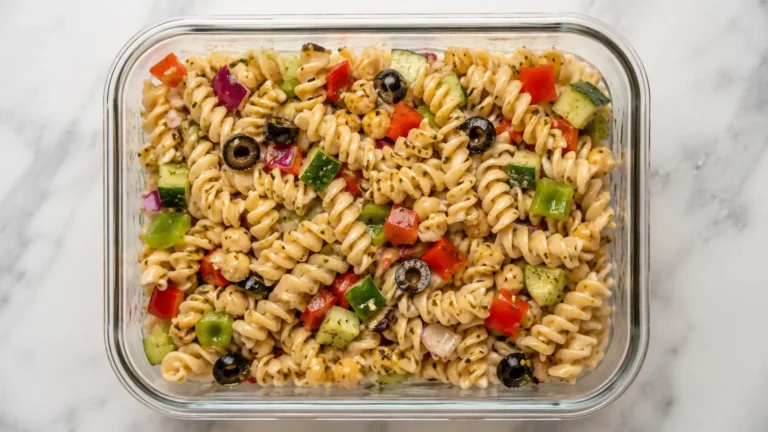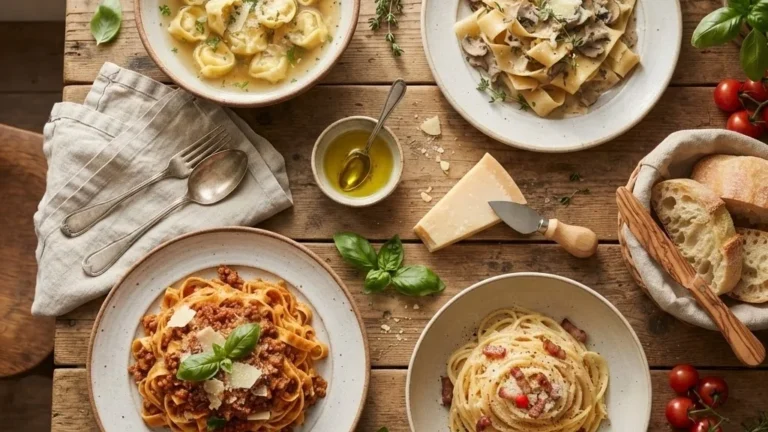
Category of pasta is a more useful question than it sounds, because the way you group pasta tells you how to cook and serve it. There is no single official system; instead, pasta is sorted along several overlapping axes at once. The three big ones are form (the physical shape group: long, short, tube, sheet, stuffed, dumpling, soup), moisture (the fresh versus dried split), and dish (how the pasta is prepared: sauced, in broth, or baked). Each axis answers a different practical question, and together they pin down exactly what any pasta is and how to use it. This guide lays out every major category, explains the logic behind each grouping, shows how the categories combine, and gives you a simple way to place any pasta you meet. Understand the categories and the hundreds of individual pastas stop being a jumble and become an organized system.
The Three Axes of Pasta Categories
Start with the framework, because everything else hangs off it. Pasta is categorized three ways simultaneously. By form, pasta is grouped by physical shape and size: long pasta, short pasta, tube pasta, sheet pasta, stuffed pasta, dumpling pasta, and tiny soup pasta. By moisture, pasta divides into two broad categories: dried (pasta secca) and fresh (pasta fresca). By dish, the traditional Italian classification sorts pasta by how it is served: pasta asciutta (plated and sauced), pasta in brodo (in soup or broth), and pasta al forno (baked). A single pasta carries a label on each axis at once. A fresh ravioli served in broth is, all at the same time, a stuffed-form, fresh-moisture, in-brodo pasta. Once you see that the axes stack rather than compete, the whole classification clicks into place.
Category by Form: The Shape Groups
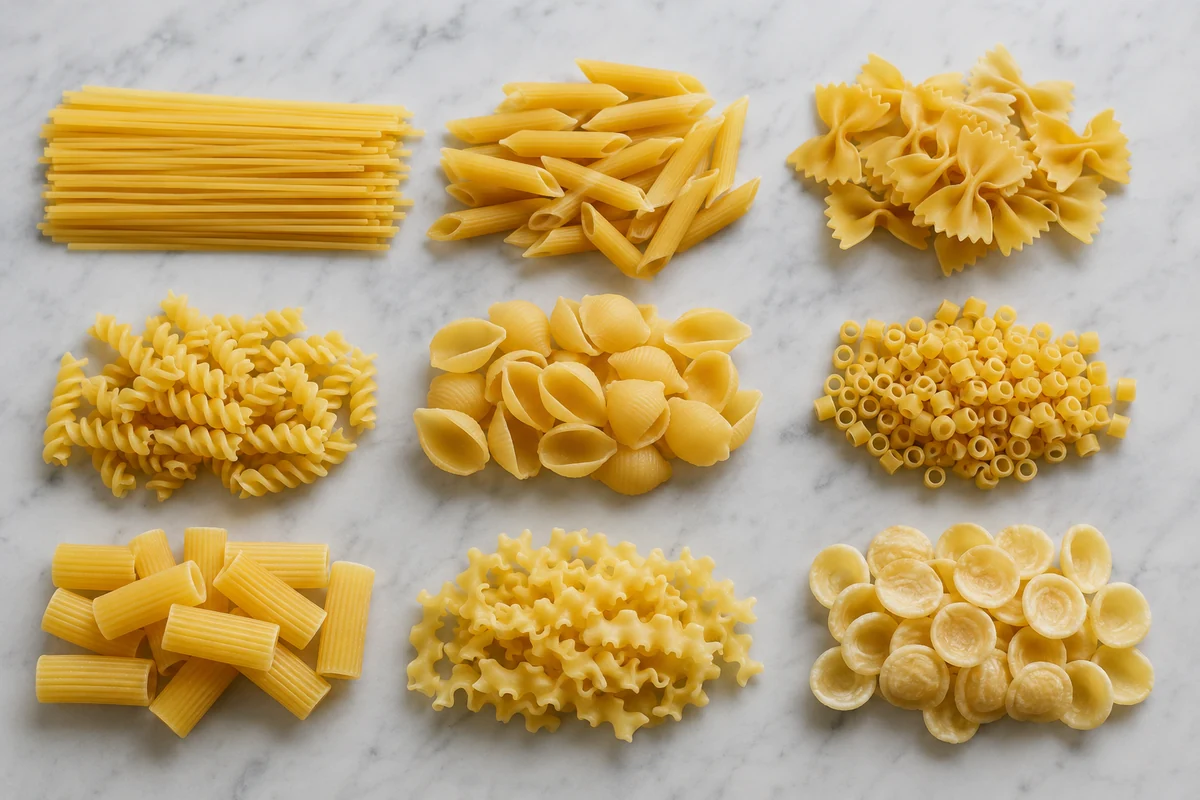
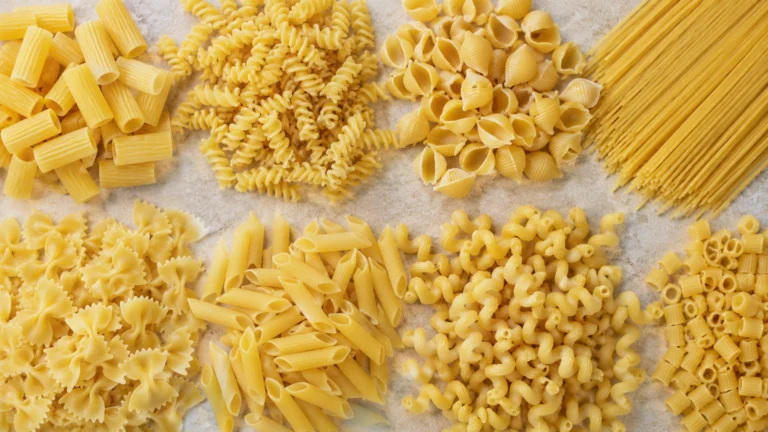
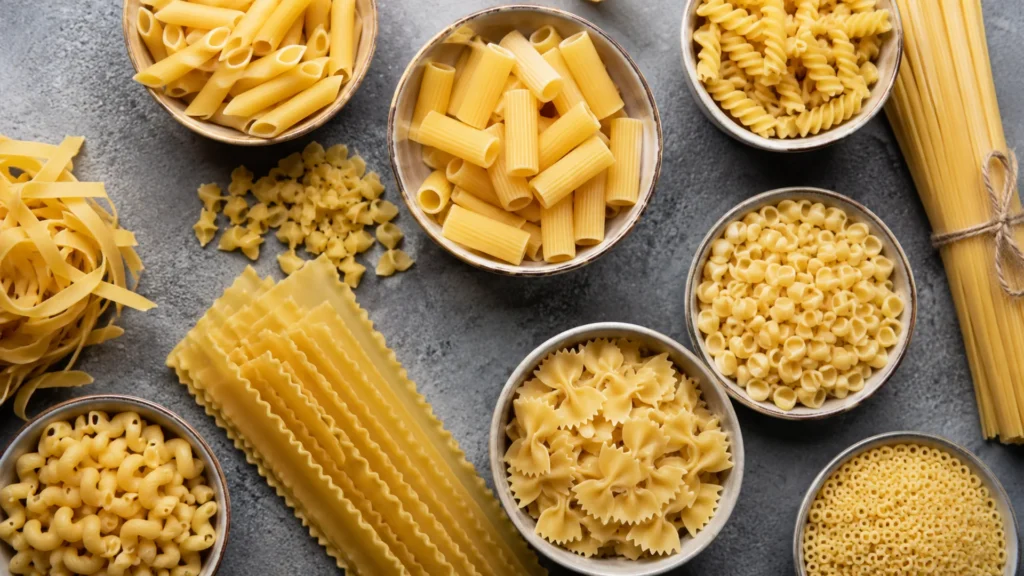
The form categories are the ones home cooks use most, since the shape decides the sauce. Long pasta (pasta lunga) covers strands and ribbons from angel hair to pappardelle. Short pasta (pasta corta) covers the tubes, curls, and shaped shorts like penne, fusilli, and farfalle. Tube pasta is sometimes split out on its own (rigatoni, ziti, cannelloni) because tubes behave by diameter. Sheet pasta is the flat category, mainly lasagna and fresh sheets. Stuffed pasta (ripiena) is the filled category: ravioli, tortellini, agnolotti. Dumpling pasta (gnocchi) is the soft, formed category. Soup pasta (pastina) is the miniature category for broths. Each form category points toward a style of sauce: smooth and thin for slick sauces, ridged and curly for chunky ones, sheets for layering, stuffed for restraint, soup pasta for broth. A short, sauce-holding shape carries a rich coating well, the way a cheesy broccoli cheese tortellini clings to every piece.
Category by Moisture: Fresh Versus Dried
The moisture category is the most consequential single distinction, because the same shape behaves differently fresh or dried. Dried pasta (pasta secca) is made from durum semolina and water, extruded through dies and dried hard. It has a firm, chewy bite, a shelf life of a year or two, and the structure to hold bold, long-cooked sauces; it is the default category for most tubes, strands, and short shapes. Fresh pasta (pasta fresca) is usually flour and egg, soft and porous, cooked in just two to three minutes. It soaks up cream and butter, suits tender ragu, and is the natural category for ribbons, sheets, and stuffed shapes. Bronze-die dried pasta, with its rougher surface, grabs sauce better than slicker Teflon-die pasta, a sub-distinction worth knowing within the dried category. Neither category is superior; they belong to different dishes. If you want to make the fresh category at home, the by-hand method in this guide to making pasta from scratch needs only flour, eggs, and a rolling pin.
Category by Dish: Asciutta, In Brodo, and Al Forno
The dish categories are the classic Italian way of grouping pasta, and they describe how it reaches the table. Pasta asciutta (or pastasciutta) is the largest category: cooked pasta drained and plated with a sauce or condiment, from spaghetti with tomato to fettuccine with cream. This is what most people picture when they think of a pasta dish. Pasta in brodo is pasta served as part of a soup, where the noodle is one element in a brothy bowl: tortellini in brodo, pastina in broth, ditalini in minestrone. The pasta here is sized small or stuffed so it shares the spoon with the broth. Pasta al forno is baked pasta, where cooked or par-cooked pasta is assembled with sauce and cheese and finished in the oven: lasagna, baked ziti, cannelloni. These three dish categories cut across form and moisture, so a single shape can appear in more than one; rigatoni, for instance, works asciutta with a meat sauce or al forno in a bake.
| Axis | Categories | Question it answers |
|---|---|---|
| Form | Long, short, tube, sheet, stuffed, dumpling, soup | What sauce suits it |
| Moisture | Dried (secca), fresh (fresca) | How it cooks and keeps |
| Dish | Asciutta, in brodo, al forno | How it is served |
How the Categories Stack Together
The payoff of three axes is that they combine to describe any pasta precisely. Take a few examples. Spaghetti with marinara is long-form, dried-moisture, asciutta-dish. Tortellini in broth is stuffed-form, fresh-moisture, in-brodo-dish. Baked lasagna is sheet-form, fresh-or-dried-moisture, al-forno-dish. Ditalini in minestrone is soup-form, dried-moisture, in-brodo-dish. Each pasta gets one label per axis, and those three labels together tell you the shape behavior, the cooking and keeping, and the serving style. This is why categorizing pasta is not academic hair-splitting: it is a quick diagnostic. When you can place a pasta on all three axes, you immediately know how to cook it, what sauce it wants, and how it belongs on the plate. The system turns a confusing variety into a set of predictable combinations.
Other Ways Pasta Gets Categorized
Beyond the three main axes, a few secondary categories show up and are worth recognizing. By surface, dried short pasta splits into ridged (rigate) and smooth (lisce), with ridges grabbing more sauce. By ingredient, you find egg pasta, semolina-and-water pasta, whole-grain pasta, and the gluten-free category made from rice, corn, or legumes, each with its own texture and nutrition profile. By region, pasta is grouped by its place of origin, since southern Italy favors dried semolina shapes and the north favors fresh egg pasta. By color and flavor, there are flavored categories like spinach pasta (verde), squid-ink pasta (nero), and tomato pasta. These secondary categories layer onto the main three rather than replacing them, adding detail about what the pasta is made of and where it comes from. They matter most when a recipe or a dietary need calls for a specific ingredient base, such as choosing a gluten-free or whole-grain category for health reasons.
Where the Categories Came From
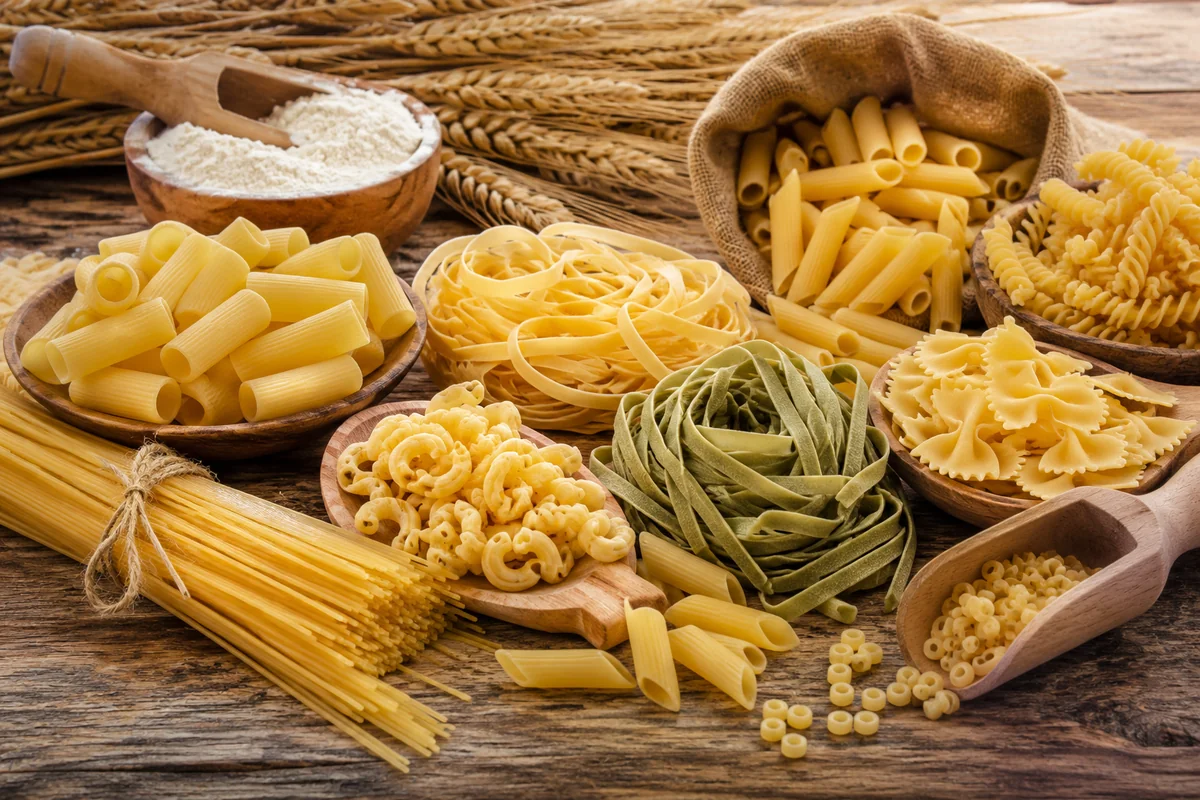
The pasta categories are not a modern marketing invention; they grew out of Italian regional cooking over centuries. The dried category took hold in the south, where the hot, dry climate and durum wheat made semolina-and-water pasta that could be dried hard and stored for months, a practical food for a place without refrigeration. The fresh egg category flourished in the wealthier, dairy-rich north, where eggs and butter were plentiful and pasta was made fresh and eaten soon. The dish categories (asciutta, in brodo, al forno) reflect how Italian households actually served pasta: as an everyday sauced plate, as a warming soup, or as a baked centerpiece for a gathering. Because Italy was, for most of its history, a patchwork of separate regions and cuisines, each area developed its own shapes and names, which is why a single broad category like stuffed pasta contains dozens of regional forms. Understanding that the categories are the distilled habits of generations of cooks makes them feel less like arbitrary labels and more like accumulated wisdom about what works.
A Buying Guide by Category
Knowing the categories makes shopping faster and smarter. For the dried category, look for bronze-die pasta when you can, since its rougher surface grips sauce better, and keep a long strand, a ridged short shape, and a bag of soup pasta on hand to cover most dishes. For the fresh category, buy refrigerated egg ribbons or stuffed shapes when you want tender, quick-cooking pasta for a special meal, and use them within a couple of days or freeze them. For the ingredient categories, choose whole-grain or legume pasta when you want more fiber and protein, and a certified gluten-free box when you need it. For the dish you have in mind, match the category to the plan: a sturdy tube or sheet for an al forno bake, a small or stuffed shape for an in-brodo soup, a sauce-appropriate shape for an asciutta plate. Buying by category rather than by impulse means you end up with a small, flexible pantry that can produce almost any pasta dish without a special trip. It also prevents the common mistake of owning five boxes of the same shape and nothing that suits the night’s sauce. A good default starter set is a dried long strand for slick sauces, a dried ridged short shape for chunky ones, a small soup pasta for brothy bowls, and one fresh or stuffed option in the freezer for a quick special meal. Those four categories alone, kept on hand, let you cook across nearly the whole range of pasta dishes any night of the week.
How to Place Any Pasta in Its Categories
Here is the practical method. When you encounter any pasta, ask three quick questions in order. First, what is its form: is it a long strand, a short shape, a tube, a sheet, a stuffed parcel, a dumpling, or a tiny soup shape? That tells you the sauce style. Second, is it fresh or dried? That tells you the cooking time and how to store it. Third, how is it served: sauced and plated, in a broth, or baked? That tells you the dish. Answer those three and you have fully categorized the pasta and know how to handle it. For a chunky meat sauce you want a short, ridged, dried shape served asciutta; for a delicate filling you want a stuffed, fresh shape served with a light sauce or in broth; for a make-ahead bake you want a sturdy tube or sheet served al forno. The categories are not trivia, they are a decision tree that gets you from a box on the shelf to the right dish.
Using Categories to Cook Better
Categorizing pays off at the stove. Because the moisture category sets timing, you know fresh pasta needs only two to three minutes while dried needs eight to twelve, so you taste accordingly and never overcook. Because the form category sets sauce, you avoid the classic mistakes of putting a chunky sauce on thin strands or drowning a delicate stuffed shape in a heavy sauce. Because the dish category sets method, you know to par-cook pasta destined for the oven so it does not turn to mush in a bake, and to keep soup pasta small so it shares the spoon. Even storage follows the categories: dried pasta keeps for years in the pantry while fresh and cooked pasta belong in the fridge or freezer. A slick, bold sauce on a long strand, the way a plate of Szechuan noodles coats every strand evenly, is just the form-and-sauce category logic applied. The whole point of knowing the categories is that each one quietly tells you the right move.
FAQ
What are the main categories of pasta?
Pasta is categorized three ways at once: by form (long, short, tube, sheet, stuffed, dumpling, soup), by moisture (dried or fresh), and by dish (asciutta or sauced, in brodo or in broth, and al forno or baked). Every pasta carries one label on each axis, which together describe how to cook and serve it.
What is the difference between pasta secca and pasta fresca?
Pasta secca is dried pasta made from semolina and water, firm and chewy with a long shelf life, suited to bold sauces. Pasta fresca is fresh pasta, usually flour and egg, soft and porous, cooked in two to three minutes, and best with cream, butter, and tender ragu. They are the two moisture categories.
What does pasta asciutta mean?
Pasta asciutta (or pastasciutta) is the dish category for pasta that is boiled, drained, and plated with a sauce or condiment, like spaghetti with tomato or fettuccine with cream. It is the most common pasta category, distinct from pasta served in broth (in brodo) or baked (al forno).
Is gnocchi a category of pasta?
Gnocchi form the dumpling-pasta category. They are soft little dumplings made from potato, semolina, or ricotta, boiled until they float and served with light sauces. They sit alongside the long, short, tube, sheet, stuffed, and soup form categories as a distinct group.
How are pasta shapes grouped?
Shapes are grouped by form into long pasta, short pasta, tubes, sheets, stuffed pasta, dumplings, and soup pasta. Within short and tube categories, shapes also split by surface into ridged (rigate) and smooth (lisce). The form group tells you what sauce a shape suits.
Why does pasta have so many categories?
Because each category answers a different practical question: form tells you the sauce, moisture tells you the cooking and keeping, and dish tells you the serving style. Italy also developed hundreds of regional shapes over centuries, so the categories exist to organize an enormous, historically layered variety into a usable system.
What category of pasta is best for soup?
The soup-pasta category (pastina): tiny shapes like ditalini, stelline, orzo, and acini di pepe, served in brodo. They cook fast and stay small enough to share a spoonful with the broth and other ingredients, which is why they belong in soups rather than being plated and sauced.
Can one pasta belong to several categories?
Yes, that is the whole idea. A pasta carries one label on each axis at once. Rigatoni, for example, is short-or-tube form, dried moisture, and can be served asciutta with a meat sauce or al forno in a bake. The categories stack to describe each pasta fully rather than forcing it into a single box.
Bottom Line
Category of pasta is best understood as three overlapping systems rather than one list. Form (long, short, tube, sheet, stuffed, dumpling, soup) tells you the sauce. Moisture (dried or fresh) tells you the cooking time and storage. Dish (asciutta, in brodo, al forno) tells you how it reaches the table. Layer on the secondary categories of surface, ingredient, and region when a recipe or diet calls for them. Place any pasta on the three main axes and you instantly know how to cook it, what to sauce it with, and how to serve it. That is the real value of categories: not trivia, but a fast, reliable decision tree from the shelf to a finished dish. For tested technique across pasta styles, America’s Test Kitchen is a dependable reference, and this overview of pasta covers the classification traditions in depth.