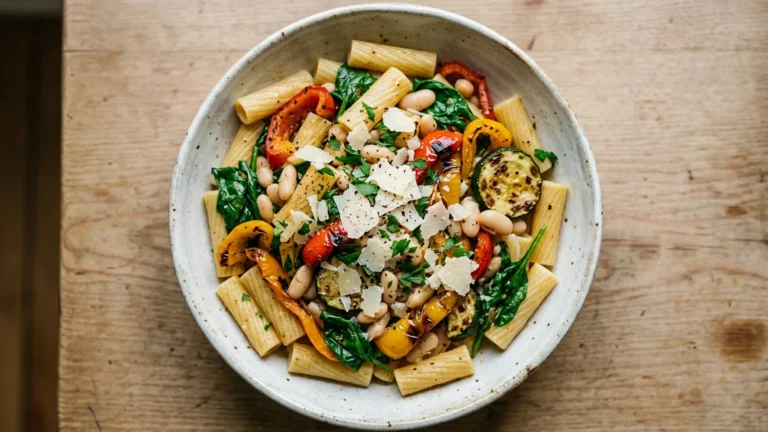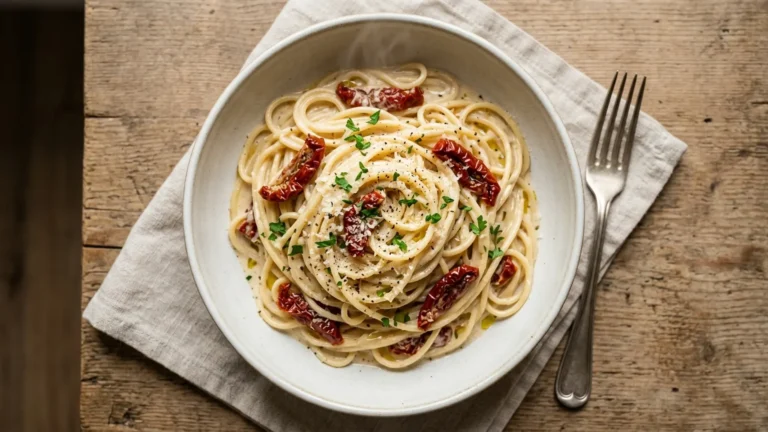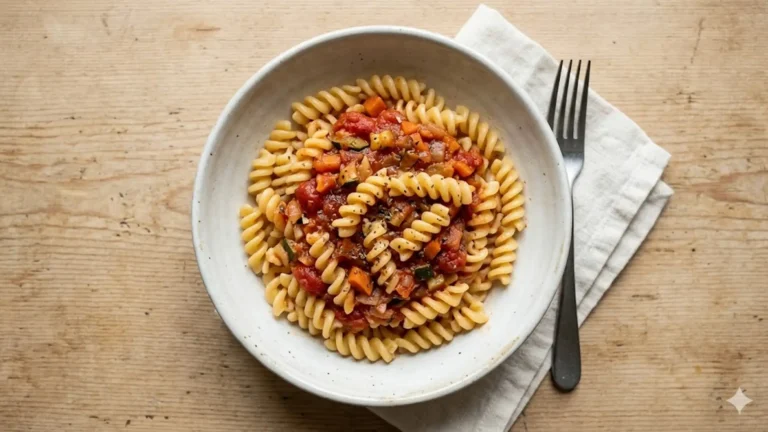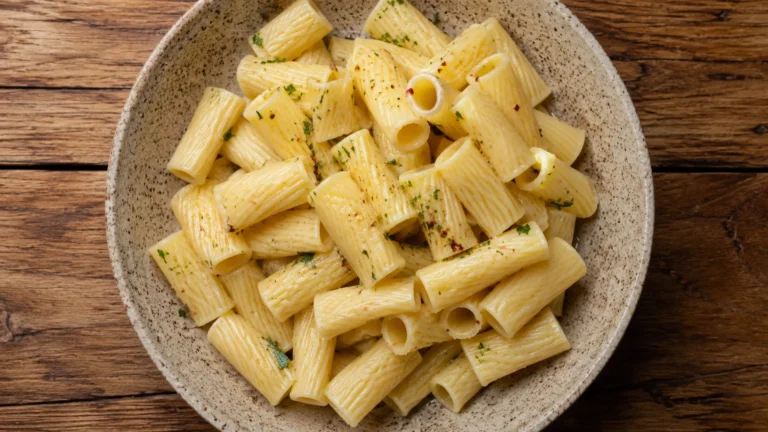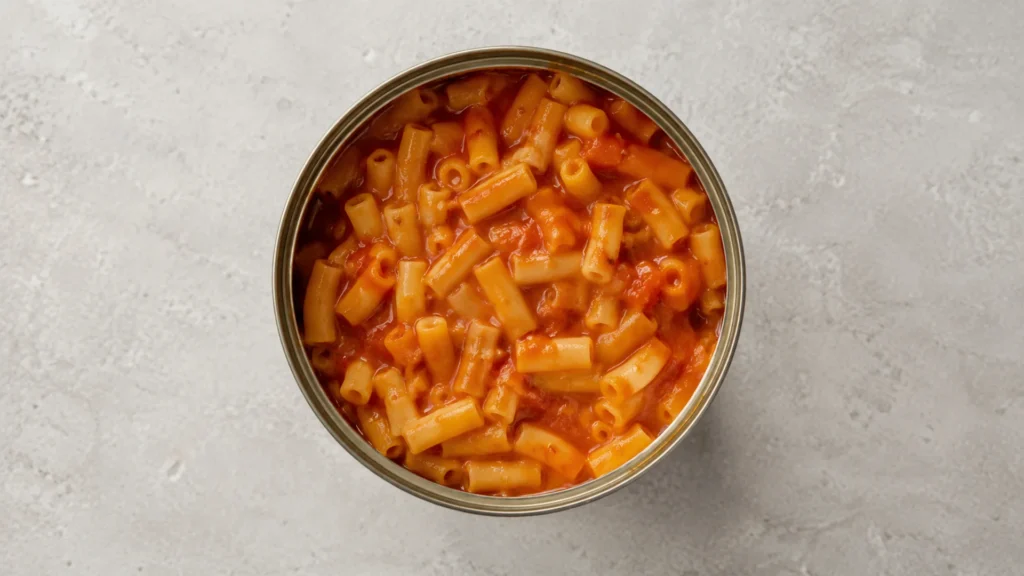
Can pasta go bad? Yes, but how fast depends entirely on which kind you mean. Dried pasta lasts for years and rarely becomes dangerous, just stale. Fresh pasta is perishable and spoils in days. Cooked pasta keeps about five days in the fridge before it turns. The short answer is that moisture is the whole story: the drier the pasta, the longer it lasts, because bacteria and mold need water to grow. In this lab guide I break down the real shelf life of each type, exactly what spoilage looks and smells like, how to store each kind to stretch its life, the truth about expiration dates, and the few situations where you genuinely should throw pasta out. By the end you will be able to look at any pasta in your kitchen and judge it with confidence instead of guessing.
The One Rule Behind All of It: Moisture
Every shelf-life question about pasta comes back to water content. Dried pasta holds about 12 percent moisture or less, which is far too dry for foodborne bacteria to live in; microbes need water to grow and reproduce, and dried pasta simply does not offer it. That is why an unopened box can sit in the pantry for years. The moment you add water by cooking it, you create a hospitable environment, and cooked pasta starts the clock toward spoilage within days. Fresh pasta sits in between but leans wet, especially the egg kind, so it spoils quickly. Hold this single idea (more moisture means a shorter life) and the specific numbers below all make sense rather than needing to be memorized.
| Pasta | Storage | How long it lasts |
|---|---|---|
| Dried (sealed) | Cool, dry pantry | 1 to 2 years or more |
| Dried (opened) | Airtight container | About 1 year, best quality |
| Fresh, store-bought | Fridge (sealed) | Use-by date, 2 to 3 days open |
| Fresh, homemade | Fridge | 1 to 2 days |
| Cooked | Fridge, airtight | 3 to 5 days |
| Cooked | Freezer | 1 to 2 months |
Dried Pasta: It Almost Never Goes Truly Bad
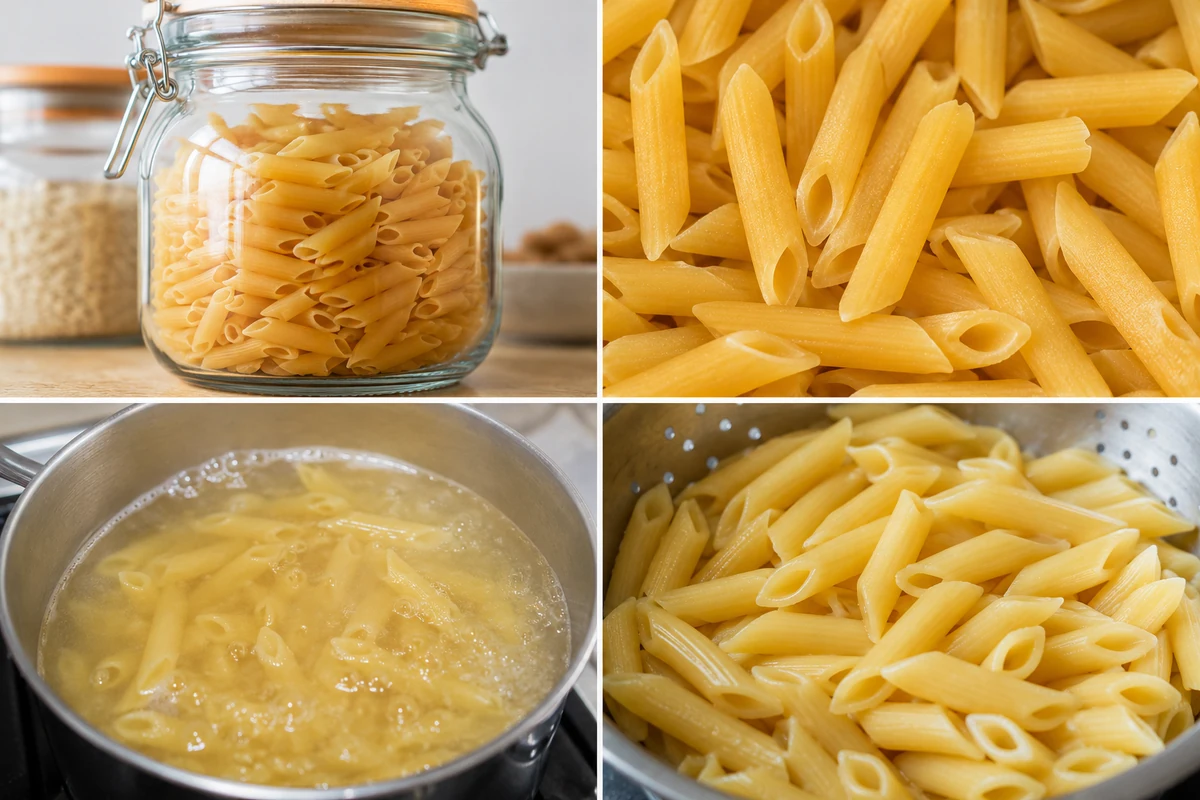
Dried pasta is the most durable food in most pantries. Sealed in its box or an airtight container in a cool, dry spot, it stays good for one to two years, and often far longer, because its low moisture is hostile to bacteria and mold. The expiration date on the box is a best-quality date, not a safety cliff; pasta a year past it is usually fine to eat, just possibly a little less flavorful or more brittle. So can dried pasta go bad? Realistically only in two ways. First, if it gets wet: moisture from a leak, humidity, or a damp container lets mold grow, and any fuzz, spots, or musty smell means throw it out. Second, pantry pests: weevils or moths can get into flour-based foods, and if you see tiny bugs, webbing, or larvae, discard the box. Absent moisture or bugs, dried pasta is about as shelf-stable as food gets, which is why it is a staple of long-term pantry stocking.
Fresh Pasta: The Perishable Cousin
Fresh pasta is a different animal because it holds real moisture, especially egg pasta. Store-bought refrigerated fresh pasta carries a use-by date you should respect, and once opened it keeps only two to three days in the fridge. Homemade fresh pasta, with no preservatives, is even shorter-lived, often just one to two days refrigerated. Fresh pasta spoils the way any moist, egg-containing food does: it develops off smells, a slimy or sticky surface, discoloration, or visible mold. The good news is that fresh pasta freezes well: dust it with semolina, form it into loose nests, freeze it on a tray, then bag it, and it keeps for up to a month, cooking straight from frozen with an extra minute in the water. If you make your own using the by-hand method in this guide to making pasta from scratch, freezing the extra is the smart move, since the dough does not keep long raw in the fridge.
Cooked Pasta: The Five-Day Window
Once you cook pasta, you have added the moisture bacteria need, so the clock runs faster. Cooked pasta keeps three to five days in the fridge in an airtight container, and up to two months in the freezer. Plain cooked pasta lasts a touch longer than pasta already mixed with sauce, since wet sauces (especially dairy or seafood) can spoil sooner. The signs that cooked pasta has gone bad are clear: visible mold, a slimy or sticky film on the noodles, discoloration, or a sour, off smell. Trust those signals over the calendar; if it smells wrong or feels slimy, it is done regardless of how many days have passed. To get the full window, refrigerate cooked pasta within about two hours of cooking, since leaving it at room temperature lets bacteria multiply. For the complete method on cooling, sealing, and reheating leftovers safely, this guide to storing cooked pasta covers fridge, freezer, and reheating in detail.
How to Tell If Pasta Has Gone Bad
The same three senses settle almost every case. Look for mold (fuzzy spots of any color), discoloration, or on cooked pasta a slimy sheen. Smell for anything sour, musty, or off; fresh and cooked pasta should smell neutral or pleasantly starchy, and a wrong smell is a reliable spoilage flag. Touch cooked or fresh pasta for sliminess or stickiness that rinsing does not fix, which signals bacterial growth. For dried pasta, add a check for pantry pests (tiny bugs, webbing, larvae). If any of these show up, throw it out; spoiled pasta is not worth the risk of a foodborne illness. When dried pasta is merely old but clean and dry, it is safe, so do not toss a good box just because it passed a printed date.
Does Pasta Expire? The Truth About Dates
The dates printed on pasta are mostly about quality, not safety. On dried pasta, the best-by or expiration date marks when the manufacturer guarantees peak flavor and texture, not the moment it becomes harmful. Properly stored dry pasta is commonly fine a year or more past that date; it may cook up slightly less springy, but it will not hurt you absent moisture or pests. Fresh pasta is the exception: its use-by date is a genuine safety guideline because the product is perishable, so respect it. The practical takeaway is to treat dried-pasta dates as suggestions and judge by the senses, while treating fresh-pasta dates as real limits. This distinction saves a lot of perfectly good pasta from the trash while keeping you safe on the kinds that actually spoil fast.
Storing Pasta to Make It Last
A few habits stretch every type’s life. For dried pasta, transfer opened boxes to an airtight container or zip-top bag and keep it in a cool, dry, dark spot; the enemies are humidity, heat, and pests, so a sealed jar in the pantry beats an open box. For fresh pasta, keep it cold and sealed and freeze what you will not use within a couple of days. For cooked pasta, cool it quickly, seal it airtight within two hours, and refrigerate or freeze; tossing plain cooked pasta with a little oil before storing helps prevent clumping, though store the sauce separately when you can so each lasts longer. Across the board, label leftovers with a date so you are not guessing later. Good storage does not just prevent spoilage, it preserves texture, which is usually the first thing to suffer.
Do Whole-Grain and Gluten-Free Pasta Spoil Faster?
 gluten.webp” alt=”Can pasta go bad — Do Whole-Grain and Gluten-Free Pasta Spoil Faster?” title=”Do Whole-Grain and Gluten-Free Pasta Spoil Faster?” width=”1200″ height=”800″ loading=”lazy” />
Not all dried pasta is equally durable, and the flour matters. Whole-grain and whole-wheat pasta contains more of the natural oils from the bran and germ, and those oils can go rancid over time, giving the pasta a stale, slightly bitter, or off smell well before plain semolina pasta would fade. So whole-grain dried pasta has a somewhat shorter best-quality window, often closer to a year, and it benefits from cool, dark storage to slow the oils from turning. Gluten-free pastas made from rice, corn, or legumes are still dry and shelf-stable, lasting a year or more sealed, but legume-based pastas can also pick up a stale, beany odor as they age. The check is the same across all of them: if dry pasta smells rancid, bitter, or musty rather than neutral, its quality has slipped, and while it is unlikely to be dangerous, it will not taste good. Buy whole-grain and specialty pastas in amounts you will use within a year, and store them sealed and cool to get the most from them.
Reheating Leftover Pasta Safely
Storage is only half the job; reheating leftovers safely is the other half. Reheat cooked pasta until it is steaming hot all the way through, which means an internal temperature of about 165 degrees Fahrenheit, since gentle warming alone may not kill bacteria that grew during storage. Reheat only the portion you plan to eat rather than warming the whole batch and re-chilling the remainder, because each heating-and-cooling cycle adds time in the bacterial danger zone and shortens the safe life of what is left. Pasta with cream or seafood sauces deserves extra care, since dairy and shellfish spoil faster and are less forgiving than a plain tomato sauce. A splash of water or a little reserved sauce keeps reheated pasta from drying out, but the safety rule comes first: hot all the way through, once, and do not leave it sitting out afterward. If the leftover already shows any spoilage sign before reheating, reheating will not rescue it, so check first and discard if in doubt.
Long-Term Pantry Storage of Dried Pasta
Because dried pasta keeps so well, it is a natural choice for stocking a deep pantry, and a few steps push its life even further. Keep it sealed against humidity, which is the main threat: an airtight container or a vacuum-sealed bag protects far better than an opened cardboard box, especially in a humid kitchen. Store it away from heat sources like the stove or a sunny window, since warmth speeds the slow staling of the starch and any oils. A cool, dark cabinet or a basement pantry is ideal. Stored this way, plain semolina pasta can stay good well beyond its printed date, often two years or more, with the texture holding better than the flavor. Rotate your stock so older boxes get used first, and you will rarely lose any to age. The only real failure modes remain the two constants: moisture, which brings mold, and pests, which bring contamination. Guard against both and dried pasta is one of the most reliable long-keeping staples you can own.
When to Definitely Throw Pasta Out
Some signs are non-negotiable. Throw out any pasta, dried or cooked, that shows mold, since mold on soft, moist foods can spread invisible threads beyond the visible spot. Discard cooked or fresh pasta that smells sour or feels slimy, both clear signs of bacterial growth. Toss dried pasta that has gotten wet or shows pantry pests. Discard cooked pasta left out at room temperature for more than about two hours, since bacteria multiply quickly in the danger zone between roughly 40 and 140 degrees Fahrenheit. And when in genuine doubt, throw it out; pasta is cheap, and a foodborne illness is not worth the gamble. These rules cover the small minority of cases where pasta truly is unsafe, while everything above helps you keep the far larger amount that is perfectly fine.
FAQ
Can dried pasta go bad?
It almost never becomes dangerous, only stale. Sealed and dry, it lasts one to two years or more because its low moisture stops bacteria and mold. It does go bad if it gets wet (mold) or if pantry pests like weevils get in. Otherwise old dried pasta is safe, just possibly less springy.
How long does cooked pasta last in the fridge?
Three to five days in an airtight container, slightly less if it is already mixed with a wet or dairy sauce. Refrigerate it within about two hours of cooking. Throw it out if you see mold, a slimy film, or smell anything sour, regardless of the day count.
Is it safe to eat expired pasta?
For dried pasta, yes, the date is about quality, not safety, so a clean, dry box a year past its date is generally fine to eat. For fresh refrigerated pasta, treat the use-by date as a real limit, since it is perishable. Always check for mold, off smells, or sliminess before eating either.
How can you tell if pasta has gone bad?
Look for mold, discoloration, or a slimy sheen; smell for sour or musty odors; and feel cooked or fresh pasta for stickiness. For dried pasta, also check for tiny bugs or webbing. Any of these means discard it. Clean, dry, neutral-smelling pasta is safe.
Can you freeze pasta?
Yes. Freeze cooked pasta for one to two months in an airtight container, and freeze fresh pasta for up to a month in loose semolina-dusted nests, cooking it straight from frozen. Freezing is the best way to keep both fresh and cooked pasta well past their fridge limits.
Why does cooked pasta go bad faster than dried?
Because cooking adds water. Dried pasta is too dry (about 12 percent moisture) for bacteria to grow, but cooked pasta is moist, which lets bacteria and mold multiply within days. The more moisture a pasta holds, the shorter its safe life, which is why cooked and fresh pasta spoil far faster than dried.
Does pasta get bugs?
Dried pasta can attract pantry pests like weevils and pantry moths, which get into flour-based foods. Signs are tiny bugs, larvae, or fine webbing in the box. If you see them, discard the pasta. Storing it in a sealed airtight container in a cool, dry place is the best prevention.
Is slimy pasta safe to eat?
No. A slimy or sticky film on cooked or fresh pasta that does not rinse away is a sign of bacterial growth and means the pasta has spoiled. Discard it. This is different from the harmless surface starch on freshly cooked pasta, which rinses off and is not slimy in the same way.
Bottom Line
So, can pasta go bad? Yes, but the type tells you how worried to be. Dried pasta is nearly indestructible, lasting years and rarely becoming unsafe unless it gets wet or buggy, so judge it by sight and smell rather than the printed date. Fresh pasta is perishable, good for only a day or two to a few days, and its use-by date is real. Cooked pasta gives you a three-to-five-day fridge window, longer in the freezer, and turns when it goes slimy, moldy, or sour. Moisture is the thread tying it all together: the drier the pasta, the longer it lasts. Store each kind to match its nature, trust your senses over the calendar, and throw out anything moldy, slimy, or off. For tested food-storage guidance, America’s Test Kitchen is a reliable reference, and Cook’s Illustrated covers tested storage and food-keeping methods in depth.