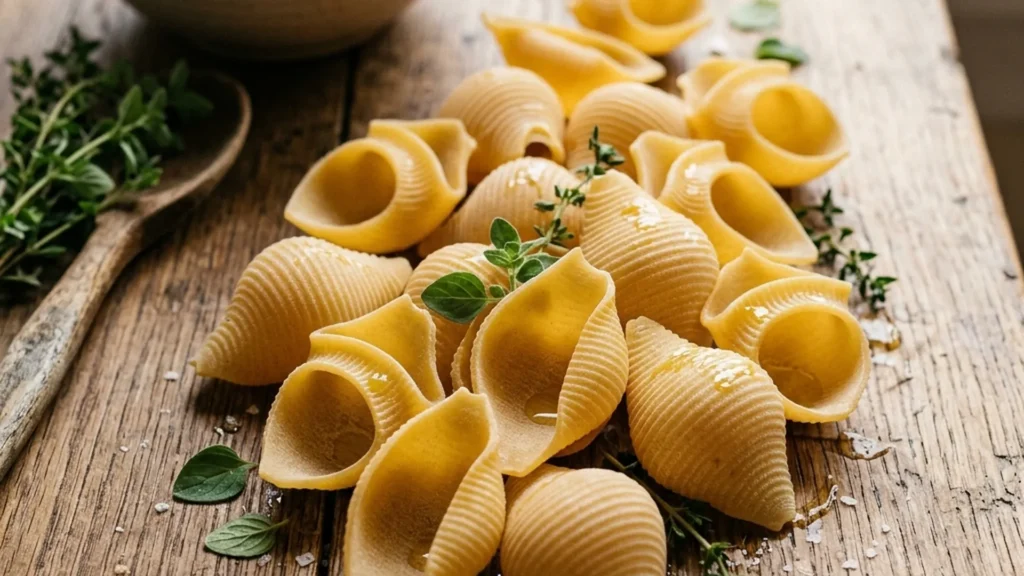
Gluten free large pasta shells are the single most frustrating shape in the gluten-free aisle, and it is not your fault, it is chemistry. Regular jumbo shells are forgiving because gluten gives them an elastic, stretchy web that holds the curve and bounces back when you handle them. Pull that protein out and you get a shell that is brittle when cool, gummy when overcooked, and prone to splitting right down the seam the moment you try to spoon filling into it. Here is the honest playbook: which brands actually survive, why they break, the exact anti-tear cooking protocol, the no-boil method that changes everything, and how to stuff and bake them so they hold together on the plate.
The good news is that gluten-free stuffed shells are completely achievable and genuinely good once you treat the shells like the fragile material they are instead of like regular pasta. Almost every failure traces back to two mistakes: overcooking, and handling them at the wrong temperature. Fix those and the rest is easy.
Why Gluten-Free Shells Crack (the Part Nobody Explains)
Gluten is a protein network that makes wheat dough stretchy and resilient. It is what lets a regular jumbo shell flex without snapping. Gluten-free shells are usually built from rice flour, corn, or a legume blend bound with starch, and that structure has no elastic web. The result is a material that behaves more like a thin cracker than a balloon. Two failure modes follow directly from this.
Brittle when cold. A drained gluten-free shell that has cooled stiffens fast. Try to pry it open to stuff it and the seam splits. This is the most common tearing complaint, and the fix is simply to keep the shells warm and pliable while you fill them.
Gummy and collapsing when overcooked. Push a gluten-free shell past al dente and the starch over-gelatinizes, the shell goes slack and sticky, the edges fuse to their neighbors, and it tears when you separate them. Rice-based shells are especially unforgiving here, the window between done and ruined is narrow.
Once you understand it is a no-gluten brittleness problem, the whole technique writes itself: undercook the shells, keep them warm and lightly oiled, handle them gently, and let the sauce and oven finish the job.
The Brands That Actually Hold Up
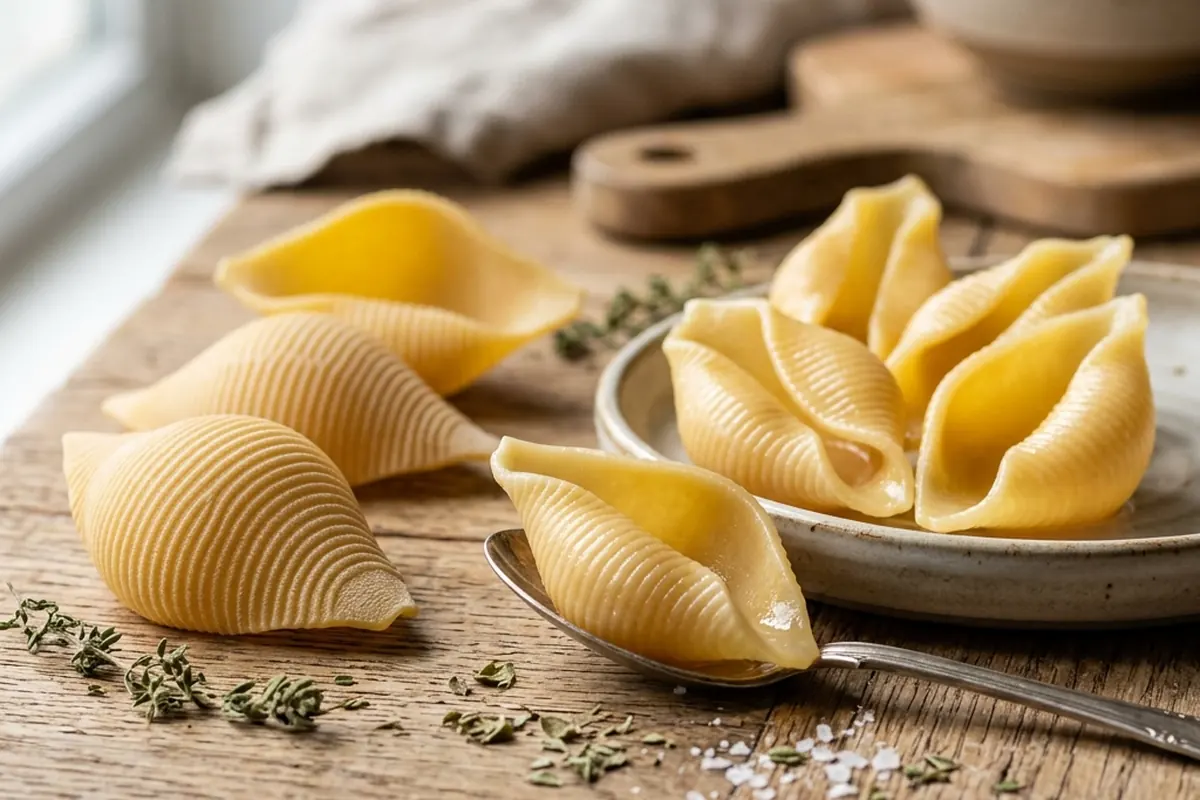
Not all gluten-free jumbo shells are equal, and the structural differences matter more than taste when you are stuffing them. Here is how the common options compare.
| Type / base | Durability for stuffing | Taste/texture | Notes |
|---|---|---|---|
| Brown rice (Tinkyada-style) | Good, tolerates overcooking better than most | Mild, slightly chewy | Often stays slightly firm even at full time; check center |
| Corn and rice blend | Fair, more brittle when cool | Closest to wheat flavor | Stuff while warm or they split |
| Legume (chickpea/lentil) | Fair, can turn mushy fast | Beany, higher protein/fiber | Undercook hard; best with strong sauce |
| Pre-stuffed frozen | High (no boiling) | Convenient, less control | Bake from frozen; the easy-mode option |
An 8-ounce box holds roughly 28 shells, and you will lose a few to breakage no matter how careful you are, so buy two boxes for a casserole that needs 30 to 36 intact shells. Budget for casualties. If you have never bought gluten-free pasta before and want the lay of the land on what these flours do, the broader rundown in the guide to low-carb and alternative pastas covers the rice-versus-legume trade-offs that apply directly here.
The Anti-Tear Boiling Protocol
If you are going to boil (the traditional route), do it like this and your breakage rate drops dramatically.
Use a wide pot with plenty of water so the shells are not crowded, and salt it well, about a tablespoon per gallon. Skip the oil in the water, despite the common advice, because oil coats the shell and keeps filling and sauce from sticking later. Bring it to a gentle boil, not a violent rolling one, because hard boiling slams the fragile shells against each other. Add the shells, stir gently right away so none sink and weld to the bottom, and cook to about 2 minutes under the package time. They should be flexible but still firm, definitely not soft. Remember they will cook more in the oven.
Drain gently into a colander, then immediately spread the shells in a single layer on a lightly oiled sheet pan, open side up, and toss with a little oil. This stops them sticking to each other (the number one cause of tearing during separation) and keeps them from drying stiff. Do not pile drained gluten-free shells in a bowl, they will fuse into a brick. Work with them while they are still warm and pliable.
The No-Boil Method (My Preferred Way)
Here is the technique the recipe pages skip entirely, and it is a game changer for fragile gluten-free shells: do not boil them at all. Stuff them dry and let them cook in the sauce in the oven.
Dry shells are sturdy and easy to fill without any tearing, because there is no soft, hot, brittle pasta to fight. The trick is moisture. The shells need enough liquid to hydrate and cook through in the oven, so the sauce does double duty. Spread a generous layer of sauce on the bottom of the dish, nestle the stuffed dry shells in, then cover them completely with more sauce, more than you think you need, plus a splash of water if your sauce is thick. The filling should be moist too (ricotta-based fillings work perfectly because they release moisture). Cover the dish tightly with foil and bake until the shells are tender, usually 35 to 45 minutes at 375 degrees Fahrenheit, then uncover for the last 10 minutes to brown the cheese.
This method eliminates the boiling step, the draining step, and the entire tearing-during-stuffing problem in one move. The only thing to watch is that you used enough sauce, because under-sauced no-boil shells stay chalky and hard in the middle. When in doubt, more sauce.
How to Stuff Them Without Splitting the Seam
Whether you boiled or are going no-boil, the stuffing technique is the same and it is where most shells die. Three rules.
Use a piping bag, not a spoon. Spoon a filling into a fragile shell and you pry the seam open under pressure, which splits it. Instead, load your filling into a zip-top bag, snip a corner, and pipe it in. The bag does the work and you barely flex the shell. This single change saves more shells than anything else.
Do not overfill. A jumbo shell wants about 2 tablespoons of filling. Cram in more and the seam splits and the shell will not close around it. Fill to comfortably full, not bursting.
Handle boiled shells warm. If you boiled them, fill them while they are still warm and flexible. Cold gluten-free shells are brittle and crack. If they cooled, a quick dip back in warm water softens them enough to handle.
Choosing the Right Sauce for the Job
The sauce matters more for gluten-free shells than for wheat, because in the no-boil method it is also the cooking liquid. A thin, watery marinara hydrates the shells well but can leave the dish loose, while a thick, paste-like sauce browns nicely on top but may not penetrate enough to cook the pasta through. The sweet spot is a smooth, pourable tomato sauce, loose enough to surround every shell but with real body. If your sauce is on the thick side, thin it with a little water or stock before assembling, and always keep extra sauce on hand to add mid-bake if the shells look dry.
A bechamel or a tomato-cream sauce works beautifully too, and the dairy actually helps gluten-free pasta stay tender and rich. Pesto is too dry to be the main cooking liquid for the no-boil approach, so if you love it, use boiled shells and treat the pesto as a finishing layer over a base of tomato or cream sauce. Whatever you choose, taste it before it goes in, because the bland gluten-free pasta will not add seasoning of its own the way well-salted wheat pasta does. The sauce carries the flavor of the whole dish.
Filling Ideas That Suit Gluten-Free Shells
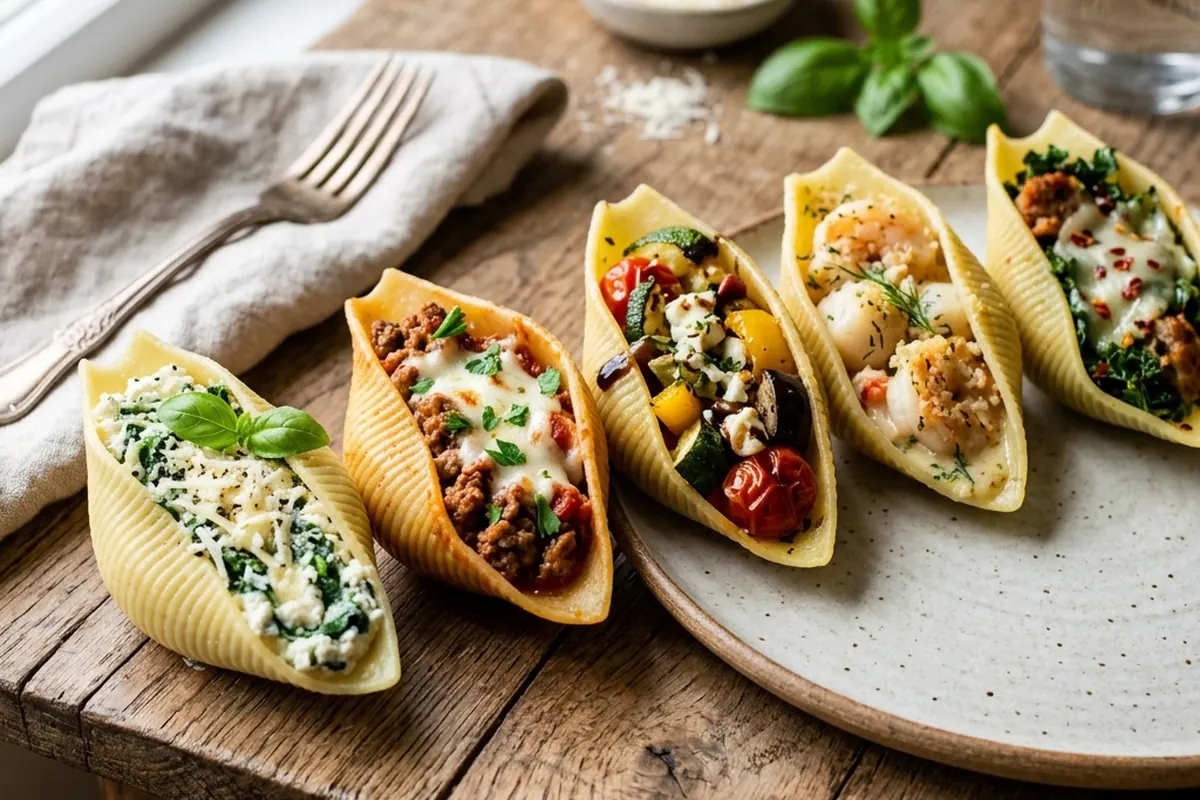
The classic ricotta-spinach mix is ideal because it is moist, which helps the no-boil method, and because the richness pairs with the milder gluten-free pasta. For 30 shells, a good baseline is about 2 cups ricotta, 1 1/2 cups shredded mozzarella, 1/2 cup grated Parmigiano, a 10-ounce package of thawed and well-squeezed spinach, an egg to bind, and salt, pepper, and a little nutmeg. Make sure every component is certified gluten-free, especially shredded cheeses (some use wheat-based anti-caking agents) and any seasoning blends.
Meat fillings, sausage and ricotta, or a butternut-and-sage mix all work, just keep the filling moist enough to release a little liquid in the oven. A drier filling plus a fragile shell plus the no-boil method equals chalky shells, so err toward moist. If you enjoy building dishes from scratch and want to understand how the same dough principles play out in fresh pasta, the deep dive in the homemade pasta guide explains the flour-and-hydration logic that also governs why gluten-free shells behave the way they do.
Troubleshooting Common Gluten-Free Shell Disasters
The shells came out chalky and hard in the center
This is the classic no-boil failure: not enough liquid. Gluten-free shells need plenty of moisture to hydrate in the oven, so the dish was under-sauced or baked uncovered too long. Next time, drown the shells in sauce, add a splash of water if your sauce is thick, and keep the foil on for most of the bake so steam does the work. If it happens mid-bake, add more warm sauce, re-cover, and give it another 15 minutes.
The shells turned to mush and lost their shape
Overcooked, almost always. Either you boiled them too long before stuffing, or you used a fragile legume-based shell and baked it too long on top of that. Drop the boil time, choose a sturdier rice-based shell, and trust the oven to finish the cooking. With gluten-free pasta, slightly underdone going into the oven is always the safer error.
Half the shells split while I was filling them
You were spooning into cold shells. Switch to a piping bag and only stuff shells that are still warm and flexible. If they cooled, dunk them briefly in warm water to soften before filling. And do not overstuff, two tablespoons is plenty.
The shells fused into one solid sheet after draining
You piled them up or skipped the oil toss. Drained gluten-free pasta is sticky and welds together fast. Always spread the shells in a single layer on an oiled sheet pan the second they drain, and toss them with a little oil. Once they are stuck, separating them tears them.
The dish was watery after baking
Usually wet filling plus too much added water. Squeeze your spinach thoroughly, drain ricotta if it is loose, and if you added water to thin the sauce, go lighter next time. A short uncovered finish at the end also helps drive off excess moisture and brown the top.
How Gluten-Free Shells Differ From Wheat in the Oven
Even after stuffing, gluten-free shells behave differently during baking, and knowing this saves the dish. Wheat shells hold a firm bite and resist the sauce, so you can bake them a long time without much downside. Gluten-free shells keep absorbing liquid and softening throughout the bake, which is exactly why the no-boil method works but also why an overlong bake turns them to paste. Aim for tender, not soft, and pull the dish as soon as a knife slides cleanly into the center.
They also do not brown the same way. The pasta itself stays pale, so the visual cue you rely on with wheat baked pasta, those crispy browned shell edges poking out of the sauce, mostly comes from the cheese on top instead. Do not wait for the shells to brown, because they largely will not. Watch the cheese, and use the knife test for the pasta. Finally, gluten-free baked pasta firms up more as it cools than wheat does, so the 10-minute rest is not optional. Serve it straight from the oven and it can seem loose and soft. Give it those ten minutes and it sets into clean, liftable shells.
Make-Ahead, Freezing, and Doneness Cues
Stuffed shells are a great make-ahead dish, and gluten-free ones freeze well as long as you handle the texture right. Assemble the dish fully (sauce, stuffed shells, sauce on top), cover tightly, and refrigerate up to two days or freeze up to two months. From the fridge, bake as normal. From frozen, bake covered straight from the freezer and add 20 to 30 minutes, keeping it covered longer so the shells hydrate before the top browns.
Doneness is harder to read with gluten-free shells because they do not look obviously underdone the way wheat shells do. The reliable cue: pierce a shell in the center with a knife tip, it should slide in with no resistance and the pasta should be tender all the way through, not chalky. If the center is still firm, it needs more covered time and probably more sauce. Let the dish rest 10 minutes after baking so the filling sets and the shells firm up enough to lift cleanly.
For trustworthy technique baselines beyond brand instructions, the recipe testers at America’s Test Kitchen have tested gluten-free pastas and no-boil baked-pasta methods in detail, and the editors at Bon Appetit have solid practical writing on stuffed-shell assembly that adapts cleanly to the gluten-free version.
Frequently Asked Questions
Why do my gluten-free jumbo shells keep breaking?
Because gluten-free pasta has no elastic gluten web, so it is brittle when cool and gummy when overcooked. The two most common causes are overcooking (which makes shells slack and fused) and handling cold shells (which crack at the seam). Undercook by about 2 minutes, keep the shells warm and lightly oiled, and pipe the filling in rather than spooning it.
Can you make gluten-free stuffed shells without boiling?
Yes, and it is the easiest way to avoid tearing. Stuff the dry shells, set them in a sauced dish, cover them completely with extra sauce plus a splash of water, cover tightly with foil, and bake at 375 degrees Fahrenheit for 35 to 45 minutes, then uncover to brown. The shells hydrate and cook in the oven. Just use plenty of sauce so they do not stay chalky.
How long do you boil gluten-free jumbo shells?
About 7 to 8 minutes for most brands, but cook them roughly 2 minutes under the package time so they are flexible but firm, since they finish cooking in the oven. Use a gentle boil, not a hard one, and drain gently to avoid breakage.
Which brand of gluten-free jumbo shells is best for stuffing?
Brown rice shells tend to be the most forgiving and tolerate slight overcooking better than corn or legume versions, which can turn brittle or mushy fast. Corn-rice blends taste closest to wheat but must be stuffed while warm. For zero effort, pre-stuffed frozen shells skip the boiling entirely.
How many gluten-free shells are in a box, and how many do I need?
An 8-ounce box holds about 28 shells, and you will lose a few to breakage, so buy two boxes for a casserole that needs 30 to 36 intact shells. Budgeting for casualties is just part of working with gluten-free pasta.
How do I keep gluten-free shells from sticking together after boiling?
Drain them gently, then immediately spread them in a single layer on a lightly oiled sheet pan, open side up, and toss with a little oil. Never pile drained gluten-free shells in a bowl, they fuse into a solid mass and tear when you separate them. Keep them warm and work quickly while they are pliable.
Bottom Line
Gluten free large pasta shells fail for one reason, the missing gluten makes them brittle and unforgiving, and once you accept that, the technique is straightforward. Buy two boxes of a sturdy rice-based brand to cover the breakage, then either undercook and shock-and-oil the shells before stuffing them warm with a piping bag, or skip boiling entirely and let dry stuffed shells cook in a generously sauced dish in the oven. Keep the filling moist, do not overfill, handle the shells warm, and rest the finished dish before serving. Do that and gluten-free stuffed shells stop being a box of expensive shards and become a make-ahead dinner that holds together exactly the way the wheat version does.