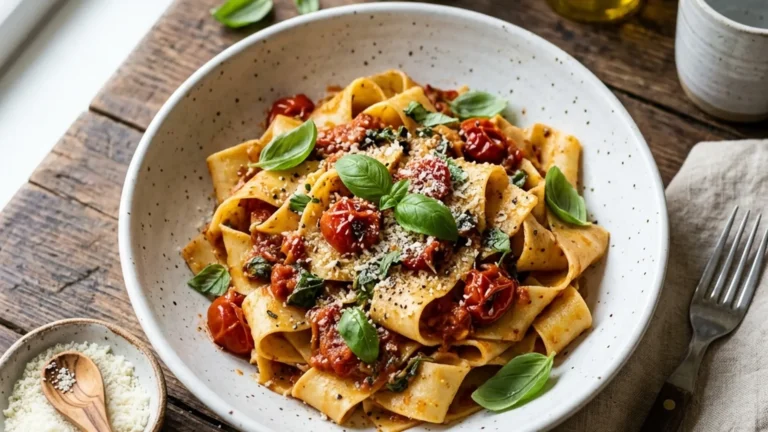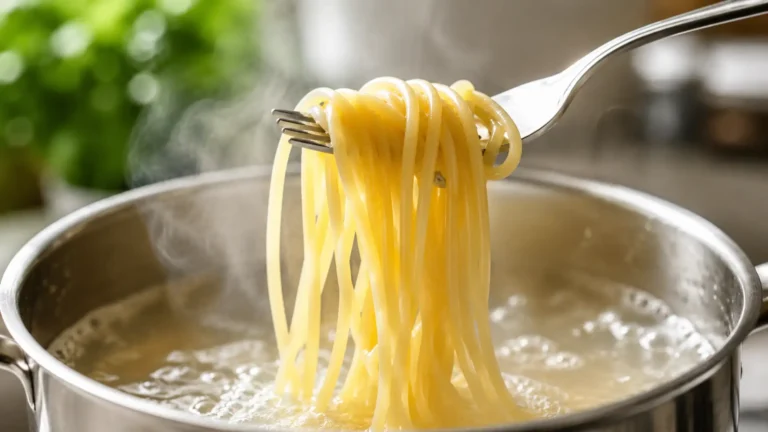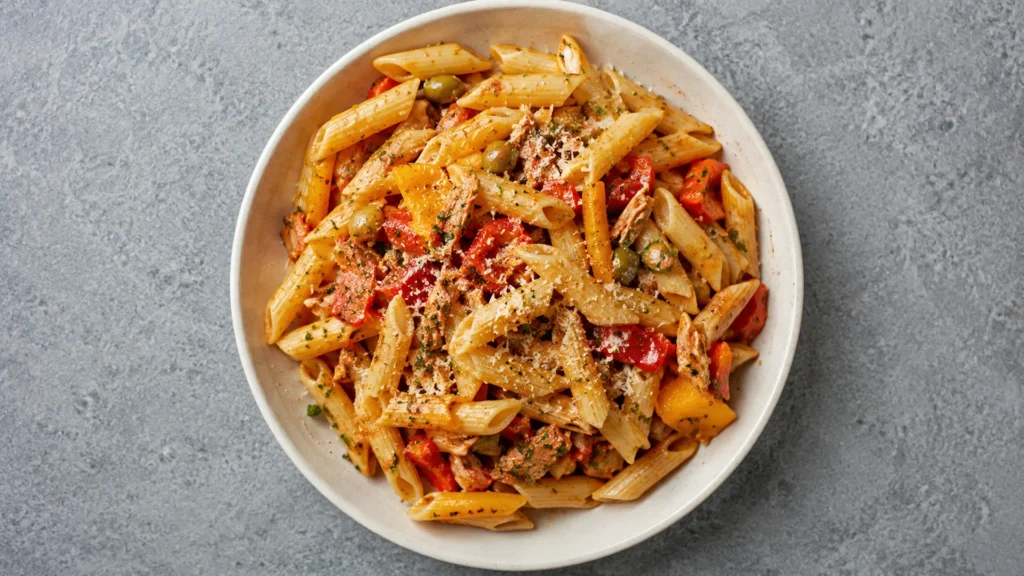
Gluten free pasta has gone from a chalky, gummy compromise to something genuinely good, but only if you understand what it is made from and treat it differently in the pot than wheat pasta. The short version: the flour blend decides almost everything (flavor, bite, how forgiving it is), and the cooking method makes or breaks the texture. Get those two right and gluten free pasta can pass for the real thing at the table. Get them wrong and you end up with a sticky clump or a pile of mush. In this lab guide I break down the main flour types and how each behaves, the cooking rules that keep it from going gluey, the brands and shapes that hold up best, and how to build a sauce and a homemade dough that actually work without wheat.
What Gluten Free Pasta Is Actually Made From
Wheat pasta works because gluten, the protein network in wheat, gives the dough elasticity and the cooked noodle its springy bite. Take the wheat away and you have to rebuild that structure from other ingredients, which is why gluten free pasta comes in so many flavors and textures depending on the base. The bases fall into a few camps, and knowing which one you are buying tells you how it will taste and cook. Italian-style gluten free pasta is usually a blend of white rice flour and corn flour, engineered to mimic wheat as closely as possible. American shelves add a wave of higher-protein legume pastas made from chickpeas, red lentils, or green peas, which cook up firmer and pack more protein and fiber. Then there are the grain blends built on brown rice, quinoa, and corn. Each base has a personality, and matching it to the dish is the first decision.
| Base | Taste and texture | Best for |
|---|---|---|
| White rice + corn | Mild, closest to wheat | Everyday swap, picky eaters |
| Brown rice | Nutty, slightly grainy, sturdy | Baked dishes, hearty sauces |
| Chickpea | Firm, earthy, high protein | Protein bowls, bold sauces |
| Red lentil | Soft-firm, mild legume flavor | Quick weeknight, tomato sauce |
| Quinoa + corn | Springy, faintly bitter | Salads, pesto |
Rice and Corn: The Closest Thing to Wheat
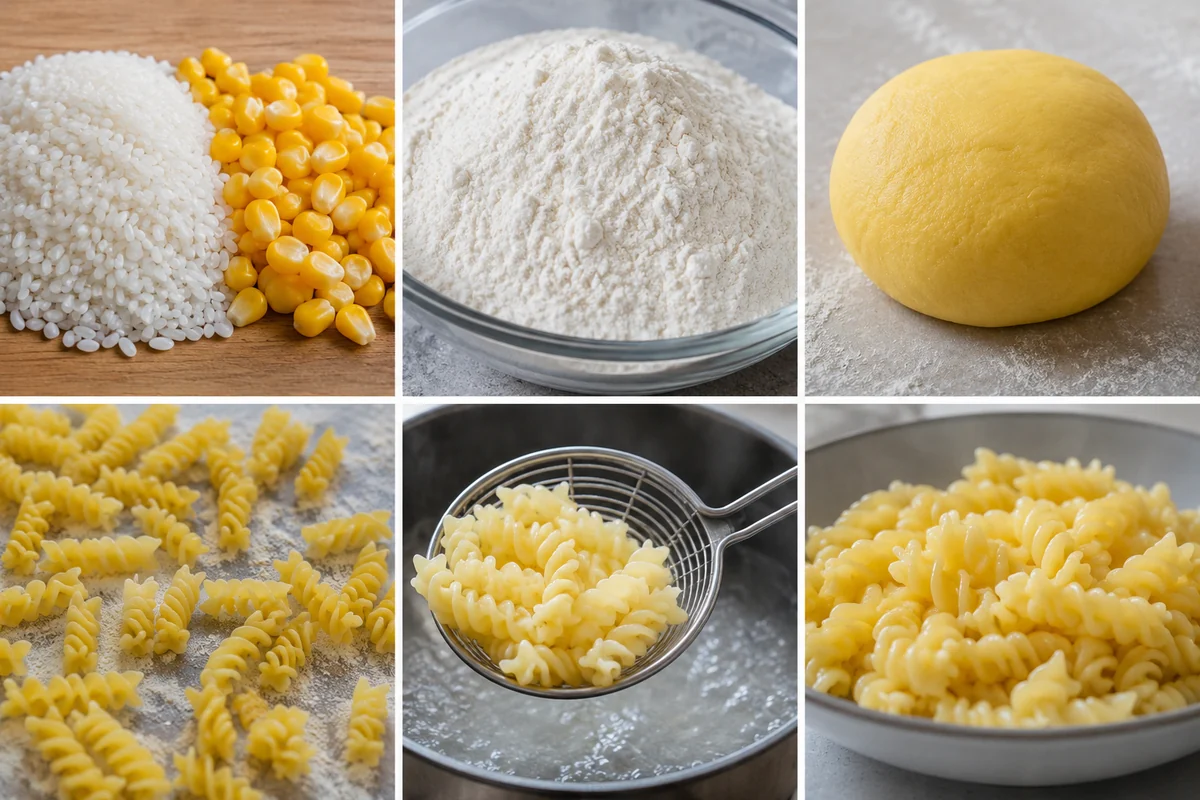
If your goal is a swap nobody notices, a white rice and corn blend is the safest bet. These pastas have the mildest flavor and the smoothest texture, which lets them disappear under a sauce the way wheat pasta does. The tradeoff is that they are the most fragile in the pot; rice starch turns sticky fast, so timing matters more than with any other base. Brown rice pasta is the sturdier sibling, with a nuttier taste and a firmer, slightly grainy bite that holds up better in baked dishes and under heavier sauces, though it takes a little longer to cook. For families easing into gluten free eating, a rice-corn blend is where I start people, because it reads as normal pasta and forgives a simple butter or tomato sauce.
Legume Pasta: Chickpea, Lentil, and Pea
Legume pastas are the nutrition upgrade and the texture surprise. Chickpea pasta is firm, almost al dente by nature, with an earthy flavor and roughly double the protein and a big fiber boost over wheat. It cooks fast, about seven minutes, and overcooks into a mealy texture quickly, so it rewards a close eye. Red lentil pasta is softer and milder, a gentle introduction to legume pasta that takes well to tomato sauces. Green pea and edamame pastas lean even higher in protein. The thing to know with all legume pastas is that they release a lot of starchy foam and can taste faintly of beans, so a thorough rinse is sometimes warranted (more on that below) and a robust, well-seasoned sauce flatters them more than a delicate one. Their firmness is an asset in a protein bowl that needs to hold its shape.
The Cooking Rules That Make or Break It
This is where most gluten free pasta goes wrong, and it is entirely fixable. Five rules cover almost every failure.
Use a big pot and lots of water. Gluten free pasta sheds far more starch than wheat, and that loose starch is what makes it stick. A generous pot of water dilutes the starch so the pieces float freely instead of gluing together. Crowd it and you get a clump.
Salt the water, never add oil. Salt seasons the pasta from the inside, the only chance you get. Oil, a common myth, just coats the noodles so sauce slides off later. Skip it.
Stir early and often. The first two minutes are when gluten free pasta is most likely to stick, so give it a good stir the moment it goes in and keep stirring every couple of minutes. This single habit prevents most clumping.
Start tasting early. Cook times vary wildly by base, from under six minutes for some legume pastas to over ten for brown rice, and the box time is only a starting point. Begin biting a piece at the six-minute mark. You want cooked through but still firm, never soft and spongy.
Rinse only when it makes sense. For hot dishes you usually do not rinse, because the surface starch helps the sauce cling. But gluten free pasta, especially rice and legume kinds, can carry a slimy, foamy starch layer; a quick rinse under warm water knocks that off and prevents gumminess, and a cold rinse is standard for pasta salad. Use judgment per base.
Finishing in the Sauce Without Falling Apart
Wheat pasta loves a long finish in the pan with the sauce, but gluten free pasta is more delicate and can break down if you overdo it. The fix is to undercook it slightly, pull it about a minute before it is done, and finish it gently in warmed sauce for just thirty to sixty seconds, tossing softly rather than stirring hard. Reserve a half cup of the starchy cooking water and add a splash to loosen and bind the sauce; that starch is doing the same emulsifying job it does with wheat. Because gluten free noodles soak up liquid fast, sauce them right before serving and keep the sauce a touch looser than you would for wheat, since the pasta will drink some up on the plate. Treat it like the more fragile ingredient it is and it holds together beautifully.
Best Shapes and Brands for Gluten Free
Shape matters more for gluten free pasta because sturdier shapes survive cooking and handling better. Short, robust shapes (fusilli, penne, rigatoni, shells) hold up far better than thin, delicate long strands, which are prone to breaking and clumping. If you want long pasta, look for a brand that has cracked the spaghetti problem rather than grabbing any box. Among brands, the ones built on a refined rice-corn blend tend to cook closest to wheat and forgive timing best, while a well-made fusilli is a reliable starting shape because its twists hold sauce and its sturdy build resists mush. Lentil and chickpea brands are excellent for protein bowls. The practical advice: buy a couple of brands, cook each carefully once, and keep the ones that pass; quality varies enormously and the difference between a great box and a poor one is larger in gluten free than in wheat. For sauce inspiration that suits the firmer legume styles, a bold, garlicky treatment like the one behind a garlic penne with spicy sausage stands up to the heartier noodles well.
Making Homemade Gluten Free Pasta
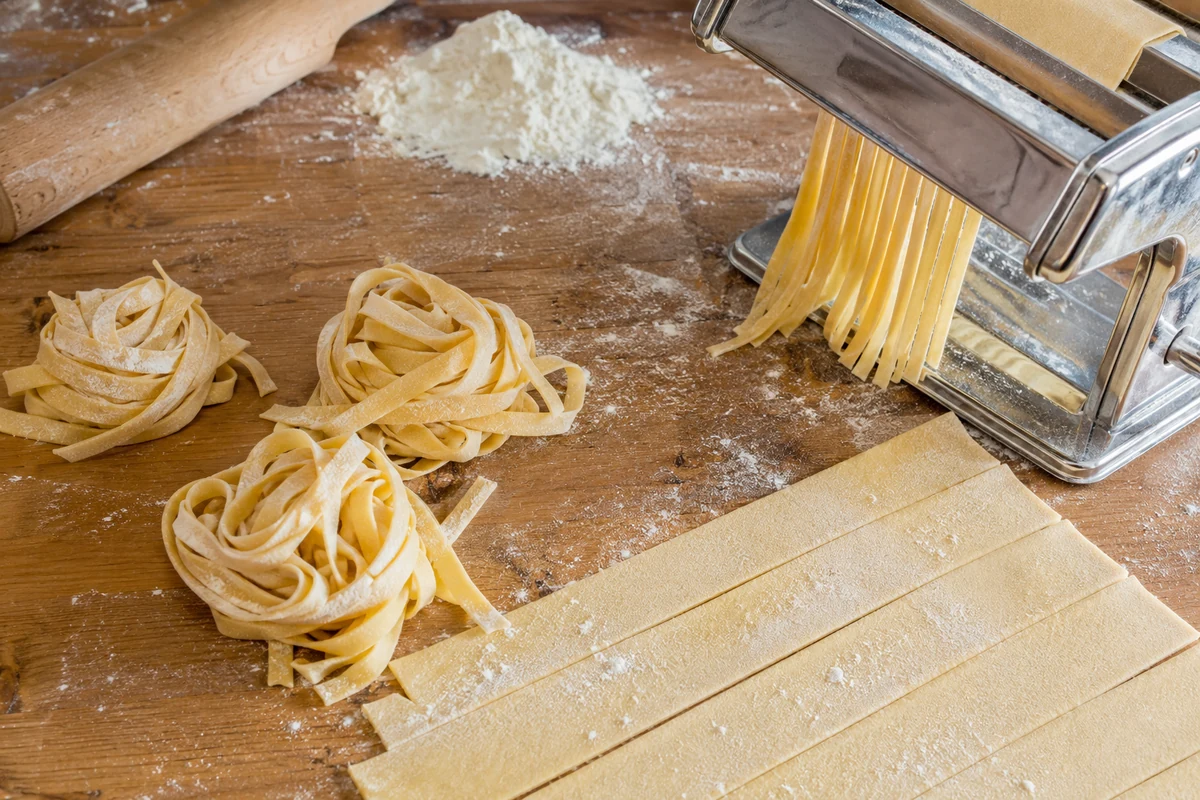
You can make fresh gluten free pasta at home, and it is genuinely good, but the dough behaves differently because there is no gluten to give it stretch. The fix is a binder: most homemade recipes use a gluten free flour blend plus xanthan gum (or psyllium husk), eggs, and a little oil, with the xanthan gum doing the elastic job gluten normally does. Without it, the dough crumbles and the noodles fall apart in the water. The technique mirrors regular fresh pasta (make a dough, rest it, roll it thin, cut it), and the by-hand approach in this guide to making pasta from scratch carries over, with the one change that gluten free dough wants a longer rest and a gentler hand because it tears more easily. Roll it a touch thicker than wheat pasta so it survives the pot, and cook it just two to three minutes. Homemade gluten free pasta will never be as stretchy as wheat, but with a good blend and xanthan gum it comes out tender and satisfying. For the broader gluten free pantry beyond pasta, a network hub of gluten-free baking is a useful companion.
Nutrition: What Changes When You Drop the Wheat
Gluten free pasta is not automatically healthier, and the base decides the nutrition. Rice and corn pastas are roughly comparable to wheat in calories and carbohydrates but often lower in fiber and protein, since refined rice starch is the main ingredient. Legume pastas flip that: chickpea, lentil, and pea pastas carry noticeably more protein and fiber per serving, which slows digestion and keeps you fuller, and they have a gentler effect on blood sugar than refined options. If your goal is simply avoiding gluten for a medical reason like celiac disease, any certified gluten free box does the job and you choose by taste. If you also want a nutrition upgrade, legume pasta is the lever to pull. One caution: some gluten free pastas lean heavily on starch and can spike blood sugar faster than wheat, so people watching glycemic response often do best with a legume base or a quinoa blend. Read the panel rather than assuming gluten free means light; the numbers vary widely from box to box.
A practical note for anyone cooking for a celiac household: cross-contamination is real. Use a clean pot, fresh water, and a colander that has not held wheat pasta, and check that the box carries a certified gluten free label rather than just listing gluten free ingredients, since shared facilities can introduce traces. The cooking technique is identical, but the kitchen hygiene matters more than it does for a simple preference.
Matching Gluten Free Pasta to the Dish
Because each base has a personality, a little matching pays off. For a creamy or cheese sauce, a mild rice-corn blend or brown rice pasta carries it best without an off flavor competing with the dairy. For a bold, garlicky, or spicy tomato sauce, the earthiness of chickpea or the sturdiness of brown rice stands up well, and the strong sauce covers any legume note. For a cold pasta salad, quinoa-corn and rice fusilli hold their shape after chilling and resist the mush that plagues thin shapes. For baked dishes like a gluten free baked ziti, reach for brown rice penne or rigatoni, which survive the oven without collapsing. For a light pesto or oil-based toss, a springy quinoa blend or a delicate rice strand keeps the dish from feeling heavy. The general principle mirrors wheat pasta pairing, with one extra layer: pick a base whose flavor either complements or hides behind the sauce, and pick a shape sturdy enough for how the dish is cooked and served.
Common Mistakes and How to Fix Them
A few recurring problems and their fixes. Sticky, clumping pasta: too little water and not enough stirring; use a bigger pot and stir more. Mushy, spongy texture: overcooked; gluten free pasta has a narrower window, so taste early and pull it firm. Slimy or foamy surface: rinse rice or legume pasta briefly under warm water. Sauce sliding off: you skipped the starchy water or oiled the pot; reserve cooking water and never add oil. Noodles breaking apart: you finished them too long in the sauce or used too delicate a shape; pull early, toss gently, and choose a sturdier shape. None of these are fatal, and once you adjust for the lack of gluten the results are consistent.
FAQ
What is the best gluten free pasta that tastes like real pasta?
A white rice and corn blend tends to come closest to wheat in taste and texture, because it is mild and smooth. Brown rice pasta is a sturdier runner-up with a nuttier flavor. Legume pastas taste good but firmer and earthier, so they read as distinct rather than as a stealthy swap.
Why does my gluten free pasta get sticky and gummy?
It releases a lot of starch, and too little water plus not enough stirring lets that starch glue the pieces together. Use a large pot of well-salted water, stir the moment it goes in and every couple of minutes after, and rinse rice or legume pasta briefly under warm water if a slimy film forms.
How long do you cook gluten free pasta?
It depends heavily on the base. Some legume pastas finish in under six minutes while brown rice can take over ten, so the box time is only a guide. Start tasting at six minutes and pull it when it is cooked through but still firm, never soft and spongy.
Should you rinse gluten free pasta?
For hot dishes, usually not, because surface starch helps sauce cling. But rice and legume pastas can carry a foamy, slimy starch layer worth rinsing off under warm water to prevent gumminess. For pasta salad, rinse under cold water as usual. Judge by base and dish.
Is chickpea pasta better than rice pasta?
Better is about the goal. Chickpea pasta has more protein and fiber and a firm bite that suits bold sauces and protein bowls, but it has an earthy flavor and overcooks fast. Rice pasta is milder and closer to wheat, ideal as an everyday swap. Pick by whether you want nutrition or a stealthy substitute.
Can you make homemade gluten free pasta?
Yes. Use a gluten free flour blend with xanthan gum (or psyllium husk) as a binder, plus eggs and a little oil, since there is no gluten to give the dough stretch. Rest the dough longer, roll it slightly thicker than wheat pasta, handle it gently, and cook two to three minutes.
Does gluten free pasta need oil in the water?
No. Oil is a myth that just coats the noodles so sauce slides off later. The real anti-stick tools are plenty of water and frequent stirring. Salt the water for flavor, skip the oil entirely.
Why does gluten free pasta fall apart when I cook it?
Usually it is overcooked, finished too long in the sauce, or too delicate a shape. Pull it about a minute early, finish it gently in warm sauce for under a minute with a soft toss, and favor sturdy short shapes like fusilli, penne, and shells over thin long strands.
Bottom Line
Gluten free pasta is genuinely good now, but it rewards a little knowledge. Pick the base for the job: rice and corn for a stealthy wheat swap, brown rice for hearty bakes, chickpea or lentil for protein and firmness. Cook it in a big pot of salted water, never oil, stir early and often, and taste from six minutes on so you catch it firm rather than mushy. Finish gently in a slightly loose sauce with a splash of starchy water, and lean on sturdy short shapes. Make it homemade with xanthan gum if you want fresh. Treat it as the more delicate, starchier ingredient it is, and the gap between gluten free and wheat pasta narrows to almost nothing on the plate. For tested technique on cooking pasta well, America’s Test Kitchen is a reliable reference, and the broader story of gluten-free eating gives useful context on the ingredients.