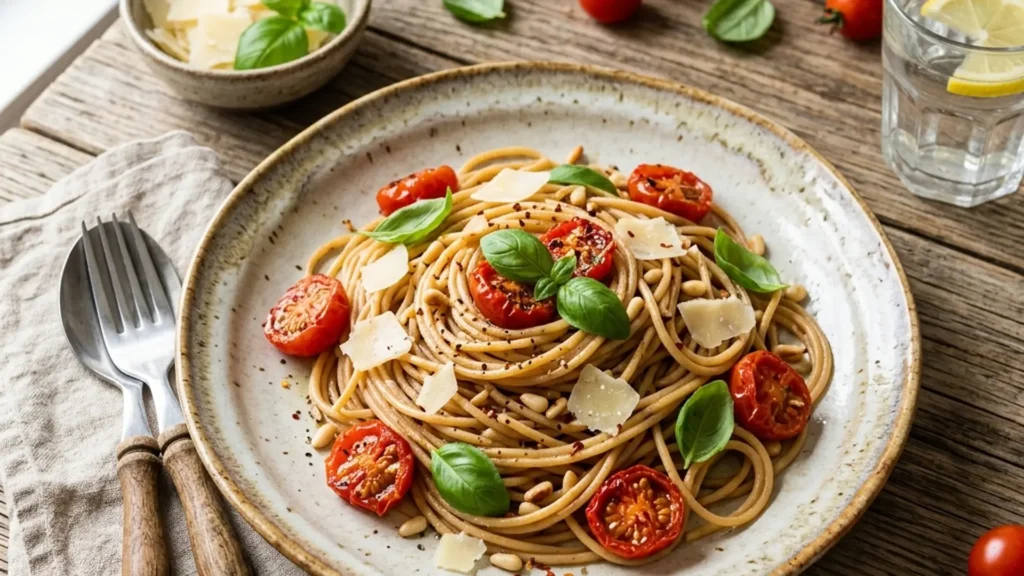
Healthy pasta is not one product on a shelf, it is a set of choices: which pasta, how much, how you cook it, and what you put on it and next to it. Here is the honest version most roundups skip, based on weighed portions and how different boxes compare. The pasta you pick matters, but it is only about a third of the story. Portion size and what shares the plate move the needle just as hard. This guide gives you the real fiber and glycemic numbers, a side-by-side of every pasta type worth buying, the cook-and-cool trick that lowers blood-sugar impact for free, and a plate formula that turns any pasta into a meal that does not spike you and crash you an hour later.
This guide is not anti-carb, and spaghetti is not poison. Plenty of long-lived people eat pasta several times a week. The difference between pasta that supports you and pasta that wrecks your afternoon is almost entirely in the details below.
What “Healthy Pasta” Actually Means
Strip away the marketing and a healthier pasta does three measurable things: it delivers more fiber, often more protein, and it raises blood sugar more slowly than refined white pasta. Fiber is the easiest number to shop by. A registered-dietitian rule of thumb that holds up: aim for at least 6 grams of fiber per 2-ounce (56 gram) dry serving. Standard white pasta gives you 2 to 3 grams. Whole wheat lands around 6 to 7. Legume pastas (chickpea, lentil, edamame) often clear 8 to 13 grams and pile on protein too.
Fiber and protein both slow digestion, which blunts the blood-sugar spike. That is the entire mechanism behind “healthier” pasta. It is not magic, it is just slower glucose. Once you understand that, every choice below is really a question of how to slow the curve.
The Comparison Table Nobody Gives You
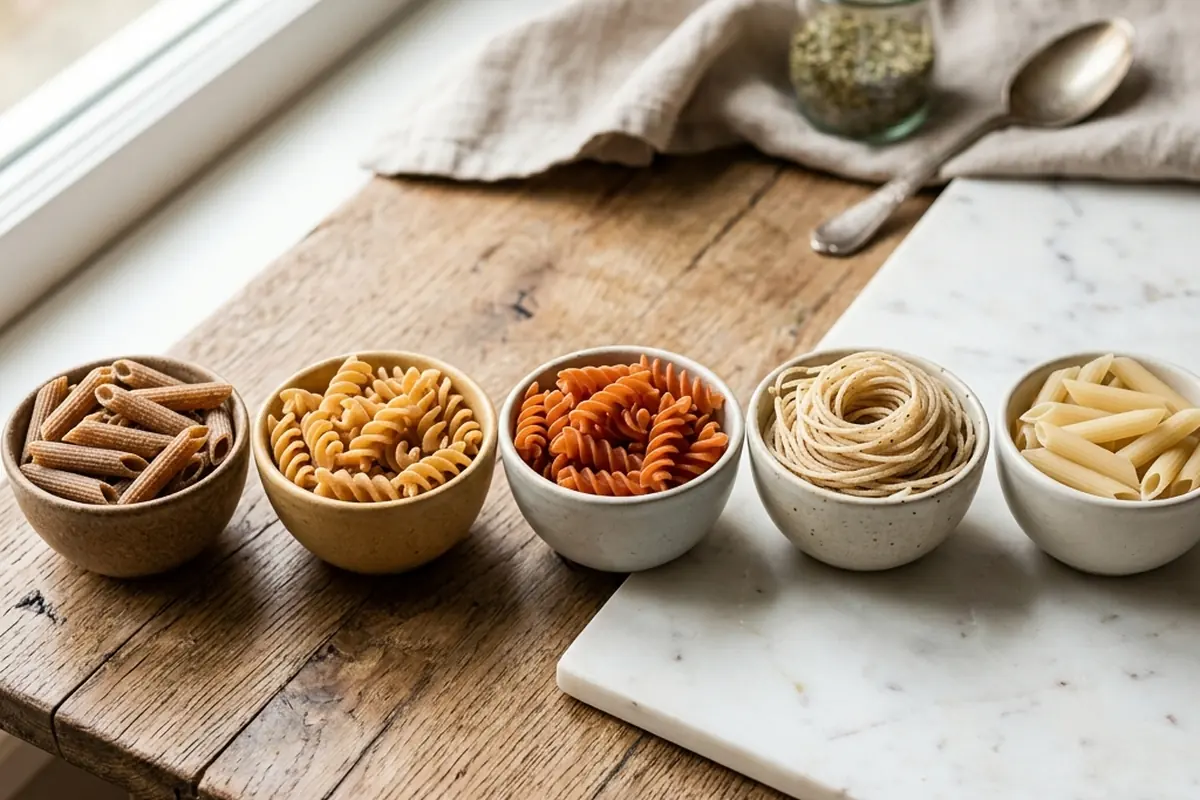
Here is what a 2-ounce dry serving looks like across the common types. Numbers vary a little by brand, but the pattern is consistent and it is the comparison the taste-test articles leave out.
| Pasta (2 oz dry) | Fiber | Protein | Net carbs | Approx. GI |
|---|---|---|---|---|
| White (refined semolina) | 2 to 3 g | 7 g | about 40 g | 45 to 55 |
| Whole wheat | 6 to 7 g | 7 to 8 g | about 30 g | about 40 |
| Chickpea | 8 g | 11 to 14 g | about 24 g | about 30 to 35 |
| Red lentil | 5 to 8 g | 11 to 13 g | about 27 g | about 30 to 35 |
| Edamame (soybean) | 11 to 13 g | 20 to 24 g | about 8 to 13 g | very low |
Read that table and the hierarchy is obvious. For pure macro density, edamame and chickpea win by a mile. For taste and texture closest to “real” pasta, whole wheat is the easy upgrade. White pasta is not banned, it is just the one that needs the most help from portion size and the plate around it. If you are pushing all the way into very-low-carb territory, the trade-offs there deserve their own look, covered in the guide to low-carb pasta alternatives.
Glycemic Index: The Number That Actually Matters
Glycemic index ranks how fast a food raises blood sugar on a 0 to 100 scale, where pure glucose is 100. Pasta has a quiet advantage here that surprises people: even white pasta sits in the moderate 45 to 55 range, lower than white bread (around 70) or white rice (often 70 plus). That is because pasta’s protein-starch matrix is dense and digests slowly. So “pasta is bad for blood sugar” is mostly a myth at sensible portions.
Three levers change pasta’s glycemic impact, and you control all of them:
Cook it al dente, not soft
This is the free one. Overcooking gelatinizes more starch and makes it digest faster, raising the effective GI. Al dente pasta, firm with a little chew, digests slower. Pull it a minute before the box time and finish it in the sauce. Mushy pasta is not just worse to eat, it spikes you harder.
Cook, cool, then reheat (resistant starch)
Here is the trick almost no healthy-pasta article mentions. When you cook pasta and then chill it (think pasta salad, or leftovers from the fridge), some of the starch reorganizes into resistant starch, which your small intestine cannot digest. It behaves more like fiber, feeds gut bacteria, and lowers the blood-sugar response. Reheating it keeps much of that benefit. So day-old pasta, reheated, is genuinely gentler on your glucose than the same pasta fresh out of the pot. Cold pasta salad gets the same edge. This costs nothing and most people throw the advantage away.
Pick the lower-GI base
Whole wheat and legume pastas start lower (roughly 30 to 40) than white. Combine a legume pasta, al dente, eaten as leftovers, and you have stacked three glucose-flattening moves on one plate.
Portion Size: The Lever Everyone Ignores
A standard dry serving is 2 ounces (about 56 grams). Cooked, that is roughly 1 to 1.25 cups, which looks small to anyone raised on restaurant bowls. Restaurants plate 4 to 6 ounces dry, two to three servings, and call it one. That alone is why pasta gets a bad reputation. The pasta did not change, the pile did.
A practical way to weigh without a scale: 2 ounces of long pasta is a bundle about the diameter of a US quarter coin. For short shapes, it is a scant cup dry. Build the plate so pasta is one component, not the whole event, and most of the calorie and blood-sugar worry takes care of itself. If you want pasta to feel like more food, this is where the plate formula below earns its keep.
The Plate Formula That Flattens the Curve
The single most effective healthy-pasta move is not the box you buy, it is what you build around the noodles. Aim every pasta plate at four things: a real protein, some fat, an acid, and a load of vegetables or fiber. Each one slows digestion further.
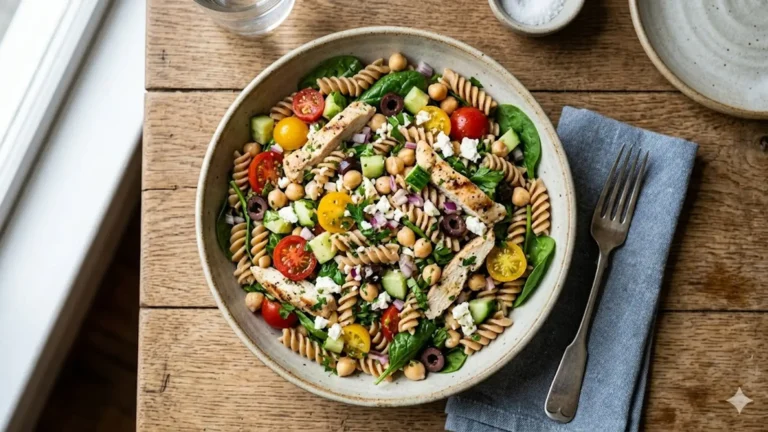
Protein (grilled chicken, shrimp, beans, an egg, a scoop of ricotta) blunts the glucose response and keeps you full. Fat (olive oil, a little cheese, nuts) slows gastric emptying. Acid (a squeeze of lemon, a splash of vinegar, tomatoes) measurably lowers the blood-sugar rise of a starch meal. Vegetables add volume and fiber so a modest portion of pasta feels generous. A plate that is half vegetables, a quarter protein, and a quarter pasta tastes like plenty and behaves like a balanced meal.
Picking the right shape helps the formula too, because some shapes carry chunky vegetable-and-protein sauces far better than others. If your “healthy” sauce keeps sliding off the noodle, the issue is shape, not virtue, and the guide to pasta shapes and their sauces breaks down which shape grips what.
Healthier Sauce Choices, With the Honest Trade-offs
The sauce can quietly undo a good pasta. Here is how the common ones stack up, without pretending cream is a health food.
Tomato-based (marinara, arrabbiata): the default healthy choice. Low in calories, contains the acid that helps blood sugar, easy to load with vegetables. Watch added sugar in jarred versions, some carry as much sugar as flavor.
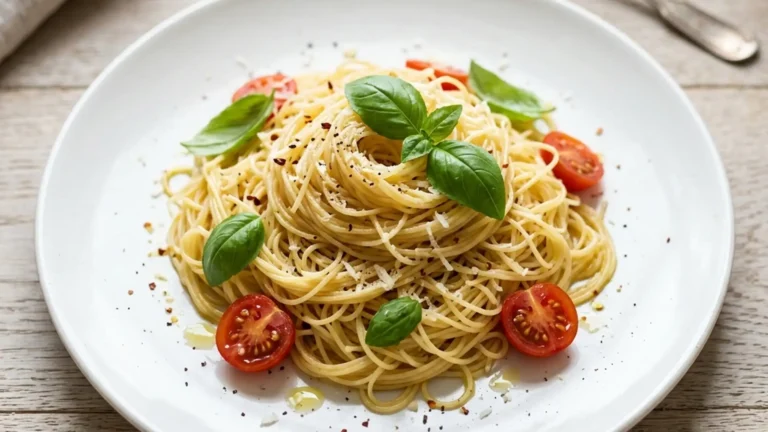
Olive oil and garlic (aglio e olio): simple and good, the fat is the heart-friendly kind. The only catch is calories from oil, so measure rather than free-pour.
Pesto: healthy fats and herbs, but calorie-dense. A couple of tablespoons, not a flood.
Cream and cheese (Alfredo, carbonara): the treat tier. Not evil, just rich. Make it occasional, lean on a legume pasta underneath so the protein and fiber balance the richness, and keep the portion honest.
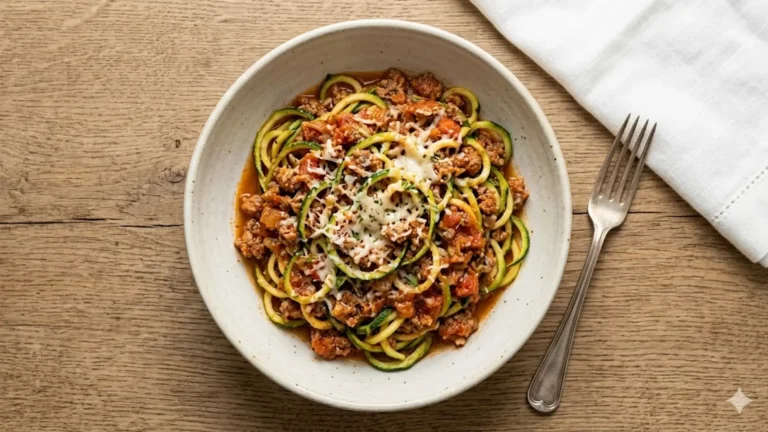
Vegetable-puree sauces: blended roasted red pepper, butternut, or cauliflower give you creaminess and fiber with a fraction of the calories of dairy cream. This is a favorite cheat for a comforting bowl that still earns the word healthy.
Whole Wheat vs Legume Pasta: How They Cook Differently
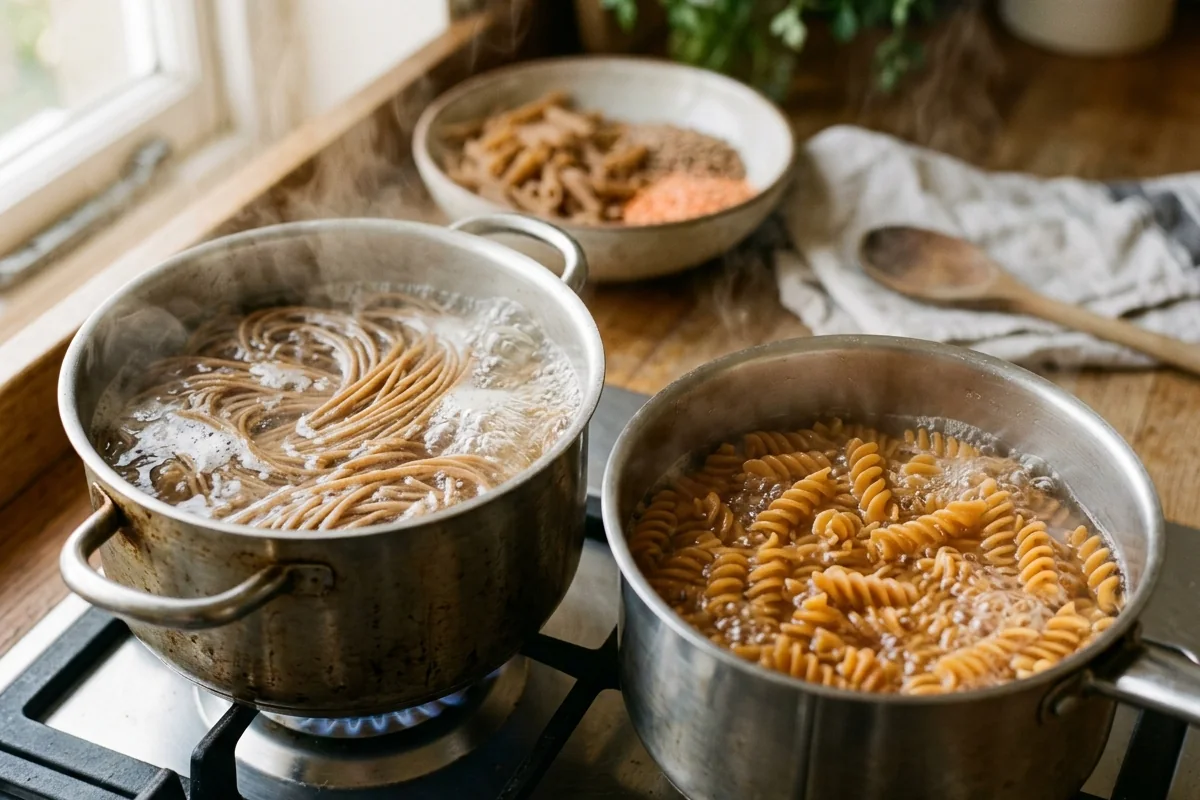
Swapping to a healthier pasta is not just a nutrition decision, it is a cooking decision, because these alternatives behave nothing like white semolina in the pot. Get the technique wrong and you will blame the pasta when the real problem was the method. Here is what actually changes.
Whole wheat behaves like white, almost
Whole wheat pasta cooks on roughly the same timeline as white, but it goes from firm to mushy faster, with a narrower al dente window. Start checking a full two minutes before the box time. It also has a heartier, slightly nutty, slightly bitter edge that lighter sauces can fight. Pair it with bolder, earthier sauces (mushroom, sausage, garlicky greens, robust tomato) rather than a delicate butter sauce, and the whole-grain flavor reads as a feature instead of a flaw. Thinner shapes like spaghetti and linguine hide the grain texture better than thick tubes, which is a small trick the taste-test roundups mention but rarely explain.
Legume pasta is a different animal
Chickpea, lentil, and edamame pastas are made from bean flour, so they cook and behave differently. They foam aggressively (a starchy bean foam that loves to boil over, so use a big pot and a lower boil), they overcook into mush fast, and they want a rinse after draining to wash off the slightly chalky surface starch. Cook them a touch under the box time. The flavor is beany and the texture is firmer and more delicate at once, which is why a strong, well-seasoned sauce carries them best. Marinara, pesto, and anything garlicky cover the bean note. A plain butter-and-cheese sauce leaves it exposed.
One more practical note: legume pastas do not reheat as gracefully as wheat pasta, and they can turn pasty if held too long. Sauce them and eat them, rather than letting them sit. The resistant-starch leftover trick still works, but expect a softer texture the second day.
Common Healthy-Pasta Mistakes
Most “I tried healthy pasta and hated it” stories trace back to a handful of fixable errors.
Buying by the front of the box. “Veggie”, “garden”, and “multigrain” are marketing, not nutrition. The fiber line and the ingredient list tell the truth. If the first ingredient is enriched or refined flour, it is white pasta wearing a green hat.
Overcooking the alternatives. Whole-grain and legume pastas have shorter al dente windows than white. Treat them like white pasta and you get mush, which both tastes worse and digests faster, undoing the glycemic benefit you paid for.
Drowning good pasta in heavy sauce. A whole-wheat base under a cup of Alfredo is not a health win. The base is one lever, the sauce and portion are the others, and they have to agree.
Calling the restaurant portion one serving. Three servings of even the healthiest pasta is still three servings. Portion is the lever that quietly overrides every other good choice.
Skipping the protein and vegetables. Pasta alone, even a good one, is a fast-ish carb. The protein, fat, acid, and vegetables are what turn it into a balanced meal that holds you for hours. Naked noodles, even legume ones, are a missed opportunity.
Reading the Label Like a Skeptic
Marketing words on the front (“multigrain”, “veggie”, “made with vegetables”) mean almost nothing. Flip the box. The first ingredient on a genuinely whole-grain pasta is whole wheat flour or whole durum, not “enriched semolina” with a dusting of something green. For legume pasta, the bean flour is the base, not an additive. Check the fiber line against the 6-gram target and the protein line if that matters to you. A short ingredient list is a good sign. “Veggie” pasta colored with a teaspoon of spinach powder is white pasta in a costume.
For trustworthy nutrition baselines rather than brand claims, the recipe scientists at America’s Test Kitchen have tested whole-grain and legume pastas for both texture and how they cook, and the editors at Bon Appetit have good practical writing on building vegetable-forward pasta plates that do the heavy lifting described above.
Calories, Satiety, and Why the “Healthy” One Keeps You Full
Calories matter, but satiety per calorie matters more for whether a pasta meal actually helps you. A 2-ounce serving of white pasta runs about 200 calories before sauce. Whole wheat is similar. Legume pastas are roughly the same calories per serving but pack far more protein and fiber into those calories, which is the whole point: same energy, much more staying power.
That staying power is measurable in how long you go before the next snack. Protein and fiber are the two most filling things you can eat per calorie, and legume pastas are loaded with both. In practice, a chickpea-pasta bowl with vegetables and a little olive oil keeps most people satisfied for hours, while the same calories of plain white pasta can leave you rummaging in the cupboard by mid-afternoon. So the “healthy” pasta is not just lower-GI on paper, it changes your eating for the rest of the day by killing the rebound hunger that drives overeating.
If weight is your goal, this is the lever to pull before you start cutting portions painfully. Switch the base to something protein-and-fiber dense, build the balanced plate, and you often eat less overall without trying, because you are simply not as hungry later. That beats white-knuckling a tiny bowl of white pasta and giving up by Thursday.
Frequently Asked Questions
Is pasta actually healthy?
Yes, at a sensible portion and with the right plate around it. Pasta has a moderate glycemic index, lower than white bread or white rice, and whole-grain or legume versions add real fiber and protein. The problems people blame on pasta are usually oversized portions, heavy cream sauces, and overcooking, all of which you control.
Which pasta is the healthiest?
By the numbers, edamame and chickpea pastas lead, with the most fiber and protein and the lowest net carbs, followed by lentil. Whole wheat is the best-tasting upgrade from white. White pasta is fine in moderation but needs the most help from portion size, al dente cooking, and a balanced plate.
Does cooking pasta al dente really make it healthier?
Yes. Al dente pasta digests more slowly than soft, overcooked pasta, which lowers the blood-sugar spike. Overcooking gelatinizes the starch and raises the effective glycemic index. Pulling pasta a minute early and finishing it in the sauce is a free health upgrade.
Is cold or leftover pasta better for you?
Often, yes. Cooking pasta and then cooling it forms resistant starch, which acts like fiber and lowers the blood-sugar response, and reheating keeps much of that benefit. So a chilled pasta salad or reheated leftovers can be gentler on glucose than the same pasta fresh from the pot.
How much pasta is one serving?
A standard serving is 2 ounces (about 56 grams) dry, which cooks up to roughly 1 to 1.25 cups. That looks smaller than a restaurant portion, which is usually two to three servings. Weighing or eyeballing this is the single biggest lever for keeping pasta healthy.
Are legume pastas worth the higher price?
If you want more protein and fiber and a lower glycemic impact, yes. Chickpea and edamame pastas deliver 11 to 24 grams of protein and 8 to 13 grams of fiber per serving, turning pasta into a near-complete meal on its own. The texture is different from semolina, slightly firmer and beanier, so try a couple of brands to find one you like.
Bottom Line
Healthy pasta comes down to four levers, and you hold all of them. Choose a base with real fiber and protein (whole wheat for taste, legume pastas for the strongest numbers), keep the portion to a true 2-ounce serving, cook it al dente and lean on leftovers for the resistant-starch bonus, and build a plate with protein, fat, acid, and a pile of vegetables so the noodles are one part of the meal rather than the whole thing. Do that and pasta stops being the thing you feel guilty about and becomes a balanced, satisfying dinner that does not spike you and leave you hungry an hour later.