How to thicken pasta sauce comes down to one principle I keep taped above my stove: you either remove water or add something that holds water in place. The fastest reliable fix is to simmer the sauce uncovered in a wide pan until it coats the back of a spoon, which takes about 10 to 15 minutes and deepens flavor while it works. When you are short on time, stir in 1 to 2 tablespoons of tomato paste per cup of red sauce, or whisk a slurry of 1 tablespoon cornstarch into 1 tablespoon of cold water and add that per cup of any sauce. The trick most articles skip is matching the method to the sauce, because the move that saves a marinara will split an Alfredo in seconds.
I run a small pasta kitchen and I have wrecked enough sauces to map out which fix belongs to which problem. This guide gives you the ratios, the timings, and the failure points, so you can fix a thin sauce once and stop guessing.
Pick Your Fix by Sauce Type First
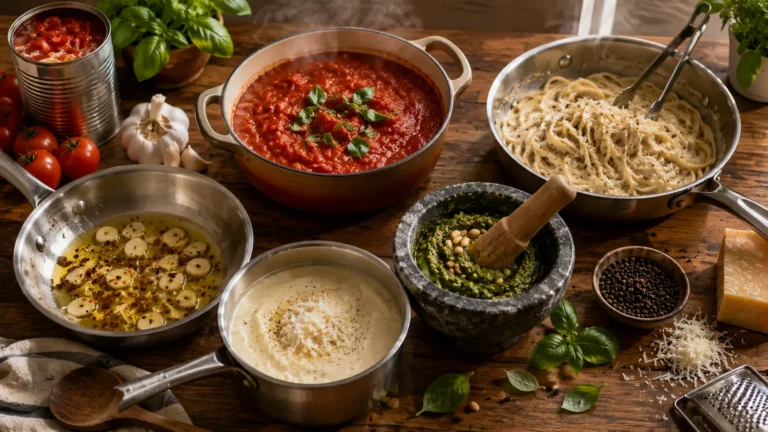
Before you reach for anything, name your sauce. A tomato sauce, a cream sauce, an oil and garlic sauce, and a cheese sauce all thicken through different mechanisms, and a method that helps one can break another. Here is the cheat sheet I wish every recipe printed.
| Sauce type | Best fix | Avoid |
|---|---|---|
| Tomato / marinara | Reduce uncovered, then tomato paste 1-2 Tbsp/cup | Heavy cream (flattens the acidity) |
| Cream / Alfredo | Gentle reduce, then Parmigiano off heat; or 1 egg yolk tempered in | Hard boil (it curdles and breaks) |
| Oil and garlic (aglio e olio) | Starchy pasta water plus a hard 60-90 sec toss | Flour or cornstarch (turns it cloudy and pasty) |
| Cheese (cacio e pepe, mac sauce) | Pasta water emulsion, low heat, constant motion | High heat (cheese clumps and oils out) |
| Pesto or raw nut sauce | More cheese or nuts; loosen with pasta water if too thick | Heat (it dulls the basil and breaks the oil) |
Notice the pattern. Water based sauces want reduction or starch. Fat based sauces want emulsion and low heat. Keep that split in your head and the rest of this guide is just detail.
Method 1: Reduce It, the Default That Also Builds Flavor
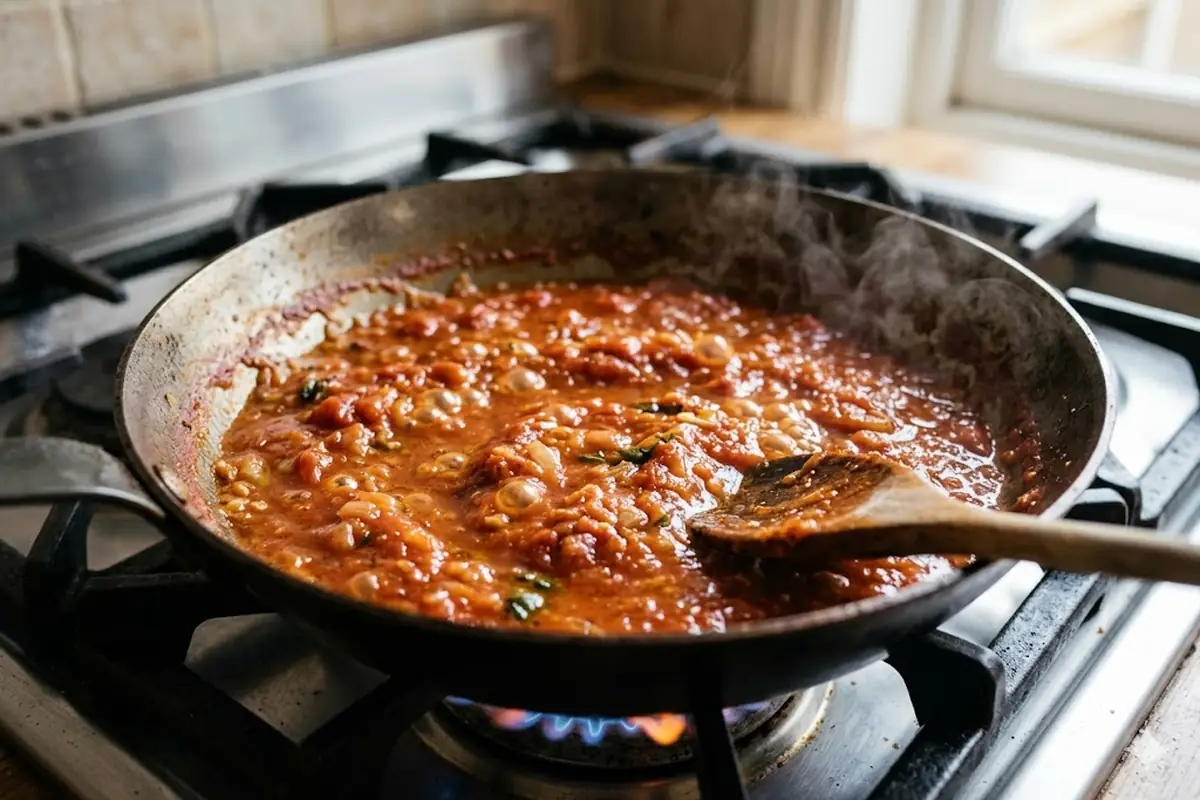
Reduction is the method I reach for nine times out of ten because it costs nothing and makes the sauce taste better, not just thicker. You are boiling off water, which concentrates everything left behind.
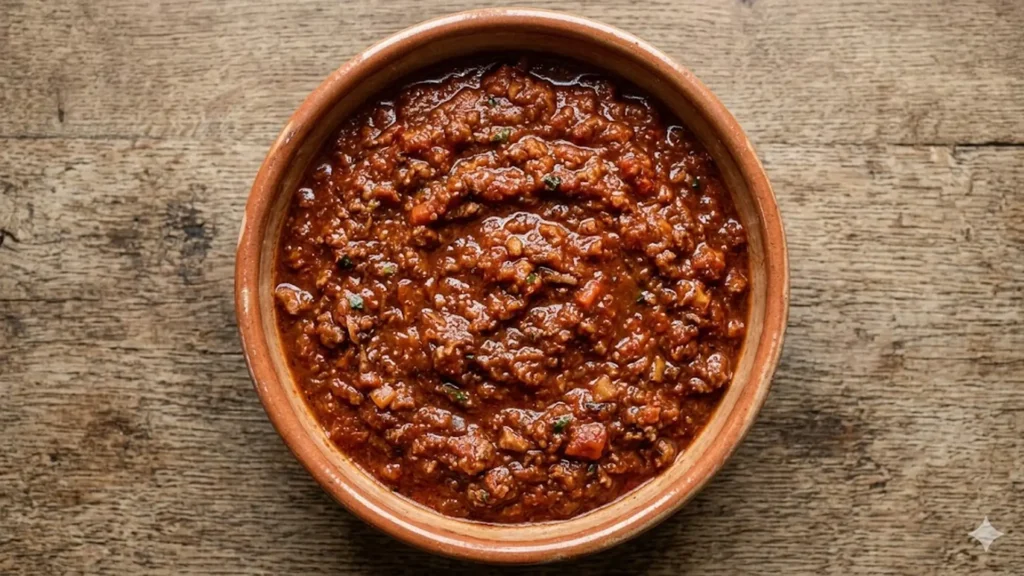
Pour the sauce into your widest pan. A 12 inch skillet beats a tall saucepan because surface area drives evaporation, and a wider pan can cut your reduction time roughly in half. Hold it at a bare simmer, around 180 to 200 degrees F, with small lazy bubbles rather than a rolling boil. Leave it uncovered and stir every 3 to 4 minutes so the bottom does not scorch. Most thin tomato sauces tighten up in 10 to 15 minutes, losing about a third of their volume.
Two cautions from experience. Salt concentrates as the water leaves, so salt at the end, not the start, or you will over salt a sauce that tasted fine 12 minutes ago. And a sauce thickens further as it cools and as starchy pasta joins it, so pull it off the heat while it is still a hair looser than you want. America’s Test Kitchen has run the side by side tests on reduction and flavor concentration if you want the deeper science, and it matches what the pan teaches you: America’s Test Kitchen treats reduction as the baseline for a reason.
Method 2: Starchy Pasta Water and the Finishing Toss
This is the technique that separates a home plate from a restaurant plate, and almost nobody outside Italy was taught it. The Italians call the finishing move mantecatura, and it is the controlled emulsion of fat, starch, and a little water into a glossy sauce that clings to every strand.
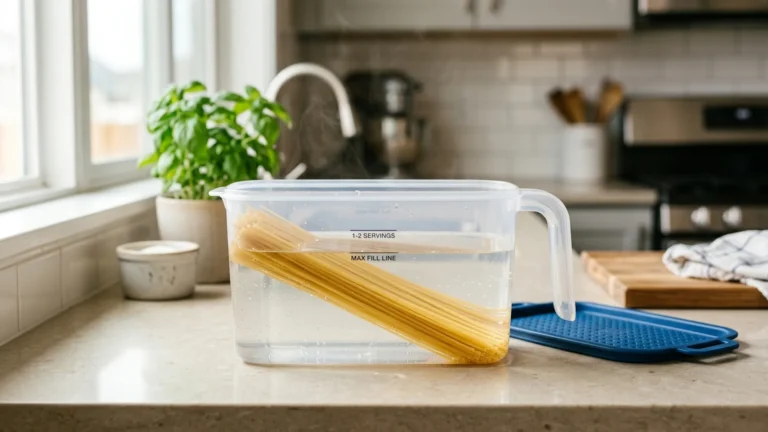
Here is the mechanism. The water you boil pasta in fills with dissolved starch, especially if you use less water than the box suggests. That starch is a natural thickener and an emulsifier, so it helps oil and water hold together instead of separating into a greasy puddle.
To do it, reserve about half a cup of pasta water before you drain. Add the nearly cooked pasta to the sauce pan with 2 to 4 tablespoons of that water, raise the heat to medium, and toss hard for 60 to 90 seconds. The constant motion is the active ingredient. You will watch a thin, broken looking sauce pull together into something that coats the pasta in about a minute. If it tightens too much, add another splash of pasta water. This is the same emulsion logic behind a good butter sauce for pasta, where fat and water become one smooth coat. Bon Appetit has long pushed home cooks to undersalt the pot a touch and lean on this starchy water as a finishing tool.
Method 3: Tomato Paste for Red Sauces in a Hurry
When a tomato sauce is watery and you do not have 15 minutes to reduce, tomato paste is the cleanest shortcut. It is concentrated tomato with most of the water already cooked out, so it adds body and a deeper red color without watering down the flavor.
Use 1 to 2 tablespoons per cup of sauce. The detail people miss is to bloom it. Push the sauce aside, drop the paste onto a hot spot in the pan, and let it fry for 30 to 60 seconds until it darkens slightly and smells sweet instead of raw. Then stir it through. Skipping that step leaves a tinny, raw paste note that sits on top of the sauce. If you are building a red sauce from the start and want it thick by design, my full breakdown of homemade sauces from scratch covers the right tomato base ratios.
Method 4: A Cornstarch Slurry, Done the Right Way
Plenty of guides tell you to skip starch entirely. I disagree, and so does any line cook who needs a sauce fixed before the next ticket. A cornstarch slurry is fast, flavorless, and gluten free, but only if you respect two rules.
The ratio is 1 tablespoon of cornstarch whisked into 1 tablespoon of cold water per cup of sauce. Cold is non negotiable. Cornstarch dumped dry into hot sauce seizes into lumps you cannot whisk out. Stir the slurry into simmering sauce and give it a full 1 to 2 minutes of gentle heat, because cornstarch only reaches its thickening power once it hits about 203 degrees F and the raw starch cooks off.
The two failure points: too much slurry gives a glossy, almost gelatinous texture that reads as fake, so start with half and add more. And cornstarch thickened sauce thins back out if you boil it hard or hold it too long, so thicken at the end and serve. For a tomato sauce I prefer paste, but for a stir fry style or a thin pan sauce on weeknight pasta, the slurry wins on speed. Flour works too as a roux or a beurre manie, but it needs longer cooking to lose the raw taste, so cornstarch is my default rescue.
Method 5: Fat and Cheese Emulsions
Fat thickens by making the sauce richer and by emulsifying with the water already present. This is the move for cream sauces and cheese sauces, and it is where high heat does the most damage.
Off the heat, stir in 1 tablespoon of cold unsalted butter per serving, or a generous handful of finely grated Parmigiano-Reggiano. Grated fine matters, because a coarse grate clumps before it melts. The sauce turns glossy and gains a velvety body in seconds. For cream sauces, a gentle reduction does most of the work, and a single egg yolk tempered in (whisk a spoon of hot sauce into the yolk first, then return it) thickens an Alfredo without flour. The rule that saves these sauces: keep them under a simmer. Boiled cream curdles and boiled cheese oils out into a greasy mess. If you cook a lot of cream and cheese sauces, SauceGrove has a deeper guide to cream sauces and keeping an emulsion steady without it breaking.
Method 6: Puree or Add a Starchy Solid
If your sauce has chunks, you can thicken it without adding anything new. Ladle about a cup into a blender, puree it smooth, and stir it back in. The blended portion releases pectin and pulp that thicken the whole pot, which is why a fully blended marinara feels thicker than a chunky one at the same water content.
You can also lean on starchy solids. A few tablespoons of mashed cooked potato, a spoon of cooked rice blended in, or a rinse of canned white beans pureed into the sauce all add body and stay flavor neutral. Vegetables do double duty: a grated carrot simmered in a tomato sauce adds natural sweetness and a little thickness at the same time.
Flour, Roux, and Beurre Manie: The Slower Thickeners
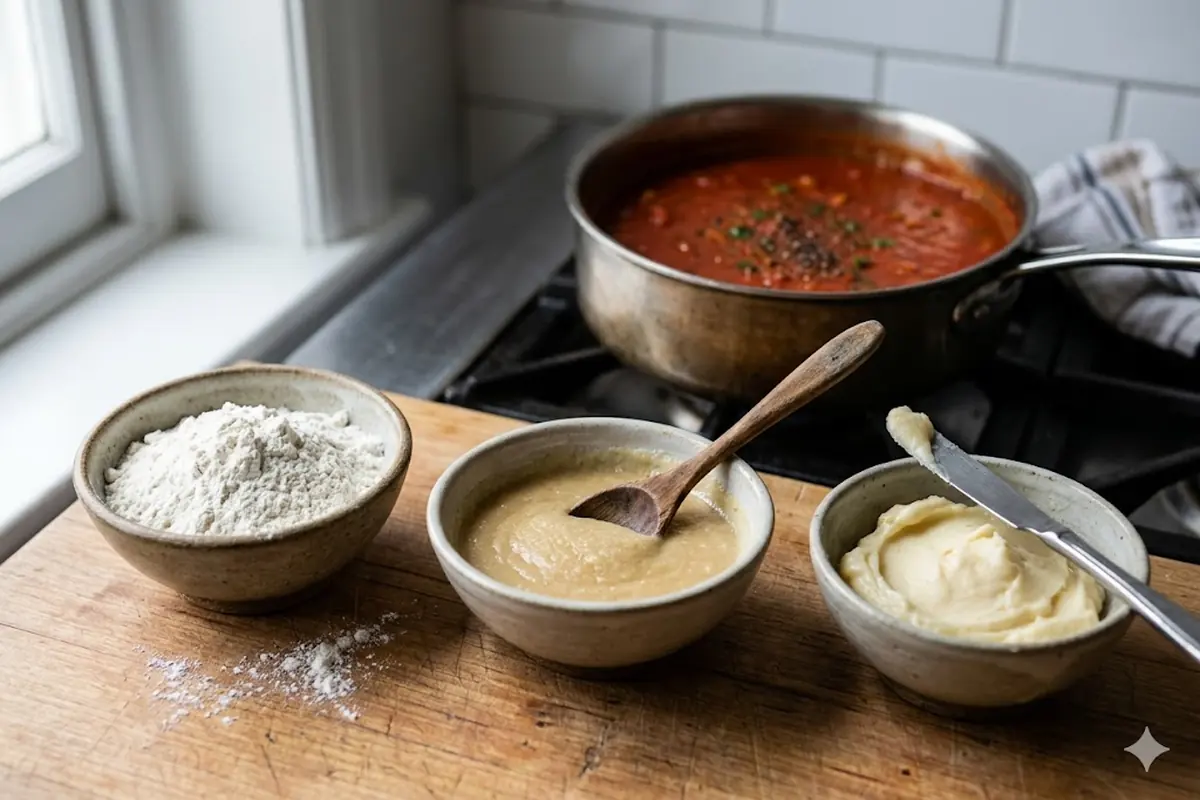
Flour gets dismissed in most thickening articles, and that is a mistake born of impatience rather than chemistry. Flour thickens with real staying power, it just asks for a couple more minutes of cooking than cornstarch does. Two forms are worth knowing.
A roux is equal parts flour and fat cooked together before the liquid goes in. Melt 1 tablespoon of butter, whisk in 1 tablespoon of flour, and cook it for 2 to 3 minutes until it smells nutty and loses the raw flour smell. That cooked paste thickens about 1 cup of sauce into a body somewhere between a light gravy and a bechamel. This is the backbone of a baked pasta or a mac and cheese sauce that needs to hold its shape.
A beurre manie is the emergency version: knead equal parts soft butter and flour into a paste with your fingers, then whisk small pinches into a simmering sauce. Because the butter coats the flour, it disperses without lumping, and the sauce thickens in 2 to 3 minutes as it comes back to a simmer. I keep a small ball of it wrapped in the fridge during a busy service. The one rule with any flour thickener: give it heat and time, or that raw, pasty taste will follow the sauce to the table.
How Thick Is Thick Enough? The Spoon Test
Professionals do not eyeball this. They use the nappe test, and it takes five seconds. Dip a spoon into the sauce, lift it, and run a finger across the back of the spoon. If the line you draw holds and the edges do not immediately flood back together, the sauce is at nappe, the consistency that coats pasta without sliding off.
A second check works right in the pan. Drag a spatula across the bottom and watch the trail. If the sauce parts and you see the pan for a beat before it closes, you are there. If it floods back instantly, keep going. Remember the two hidden thickeners waiting in the wings: the sauce firms up as it cools, and the starchy pasta you add will tighten it another notch. Stop just short.
Common Mistakes That Ruin a Thin Sauce
Most sauce disasters trace back to five errors. Knowing them is faster than fixing them.
Lumpy, gluey starch
This means you added cornstarch or flour dry into hot sauce, or you boiled the slurry too long. Always premix starch with cold liquid, and stop heating once it thickens.
A broken or curdled cream sauce
You boiled it. Cream and cheese sauces hold together only below a simmer. If it breaks, pull it off the heat and whisk in a tablespoon of cold cream or a splash of pasta water to bring it back.
Over reduced and too salty
You salted early and reduced past the line. Loosen it with a little unsalted stock or water, and next time salt at the very end.
Greasy, separated oil sauce
Your aglio e olio split because there was not enough starch or motion. Add 2 tablespoons of starchy pasta water and toss hard until it comes back together.
Raw flour taste
You added flour without cooking it. A roux or beurre manie needs a couple of minutes of heat to lose that raw, pasty note, which is exactly why I usually choose cornstarch when speed matters.
A Note From My Kitchen
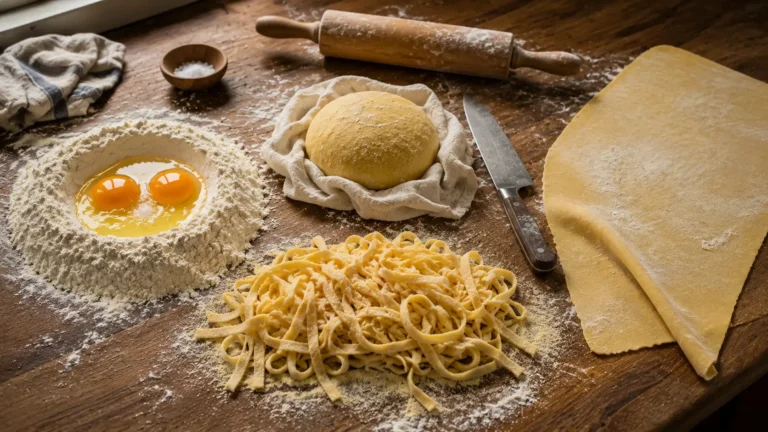
The night this all clicked for me, I had a marinara that came out watery from a batch of underripe tomatoes, and dinner was in 12 minutes. Reduction alone would not finish in time. So I bloomed 2 tablespoons of tomato paste per cup in a hot corner of the pan, stirred it through, and tossed the pasta in with a few tablespoons of starchy water for the last minute. Two fixes, stacked, under the clock. The sauce clung to every rigatoni and nobody knew it started thin. That is the real lesson: these methods combine. Reduce while you also build with paste, finish with the starchy toss, and you control the texture instead of hoping for it. If you are cooking the pasta yourself, treat the water like an ingredient from the moment you start, as I cover in the guide to making fresh pasta from scratch.
Frequently Asked Questions
What is the fastest way to thicken pasta sauce?
A cornstarch slurry is the fastest, around 2 minutes. Whisk 1 tablespoon cornstarch into 1 tablespoon cold water per cup of sauce, stir it into the simmering sauce, and cook 1 to 2 minutes until it thickens. For tomato sauces specifically, blooming 1 to 2 tablespoons of tomato paste per cup is almost as fast and tastes better.
How do I thicken pasta sauce without cornstarch or flour?
Reduce it uncovered in a wide pan for 10 to 15 minutes, stir in tomato paste for red sauces, puree a cup of the sauce and return it, or finish with starchy pasta water and grated Parmigiano. All four thicken without any added starch powder.
Why is my pasta sauce so watery?
Usually too much liquid and not enough cooking time, watery tomatoes, or vegetables that released moisture as they cooked. A short uncovered simmer to evaporate the excess fixes most cases. If you are out of time, tomato paste or a slurry corrects it quickly.
Does pasta sauce thicken as it cools?
Yes. Sauces firm up noticeably as they cool, and they tighten again when starchy pasta is tossed in. Pull the sauce off the heat while it is slightly looser than your target so it lands right on the plate.
Can I use pasta water to thicken any sauce?
It works best on oil, butter, and cheese sauces, where the dissolved starch helps the fat and water emulsify into a glossy coat. It adds less to a thin tomato sauce, which is better served by reduction or paste. Reserve about half a cup before draining so you always have some.
How much tomato paste do I need to thicken a sauce?
Start with 1 tablespoon per cup of sauce and add up to 2 if needed. Bloom it in a hot spot in the pan for 30 to 60 seconds before stirring it through, so it loses its raw flavor and adds depth along with body.
Why did my cream sauce break when I tried to thicken it?
You most likely boiled it. Cream and cheese sauces curdle and separate above a gentle simmer. Keep the heat low, thicken by gentle reduction or grated cheese off the heat, and rescue a broken sauce by whisking in a tablespoon of cold cream or pasta water.
Bottom Line
Thickening a sauce is not one trick, it is a decision. Name the sauce first, then pick the matching tool: reduce and add tomato paste for red sauces, build an emulsion with pasta water and cheese for fat based sauces, and keep a cold cornstarch slurry in your back pocket for when the clock is against you. Use the spoon test to know when to stop, remember the sauce keeps thickening off the heat, and you will fix a thin sauce on the first try every time.