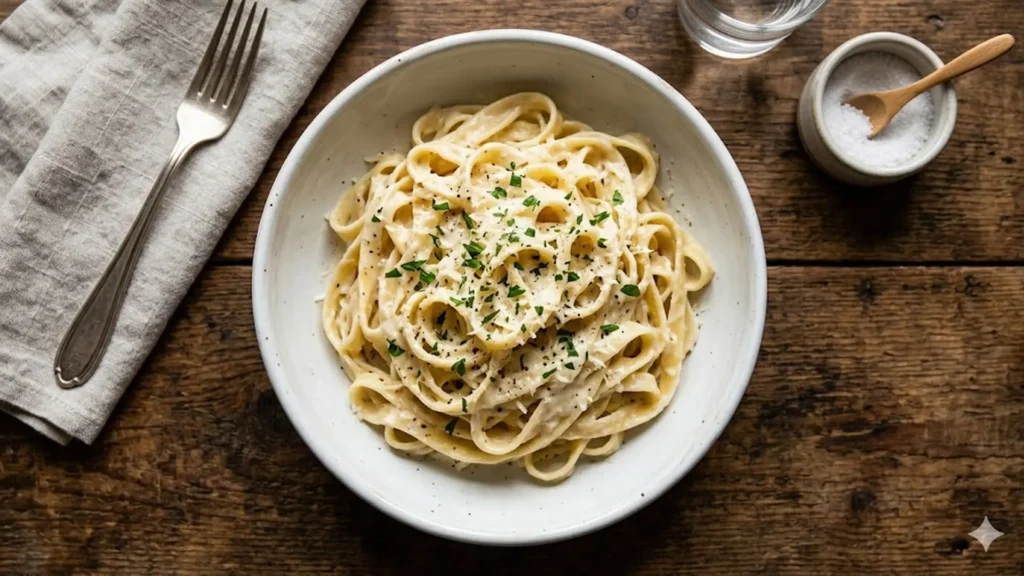
Homemade pasta alfredo sauce is an emulsion of fat and cheese held together by gentle heat and a little starchy water, and that one idea is the difference between silk and a grainy mess. The short version: melt butter, add either heavy cream or hot pasta water, then beat in finely grated Parmesan off direct heat until the sauce coats a spoon. Keep the pan between 150 and 160 degrees F and you will never see it break. Push past 185 degrees F and the cheese proteins seize into little rubbery knots.
I run a small pasta lab out of my kitchen, and alfredo is the sauce I have rescued more times than any other. Most recipes online hand you a butter-cream-Parmesan ratio and a ten minute timer, then leave you stranded the moment the sauce turns oily or grainy. This guide does the opposite. We will cover both the cream version and the older Roman butter-and-cheese method, exactly when to pick each, the temperature window that keeps the emulsion alive, a rescue protocol for when it splits, and a scaling table so a doubled batch behaves like a single one.
The Two Real Versions, and How to Choose
There are two honest ways to make this sauce, and the food world keeps pretending only one is correct. The original Roman dish, fettuccine al burro e parmigiano, uses just butter, Parmigiano-Reggiano, and starchy pasta water. No cream. The American restaurant version leans on heavy cream for stability and a thicker cling. Both are good. They solve different problems.
The cream version forgives you. Cream is mostly fat and water with a little protein, so it buffers heat and resists breaking. That makes it the right call when you are cooking for a crowd, reheating leftovers, or working on a stove with hot spots. The Roman version tastes sharper and cleaner because nothing dilutes the cheese, but it demands a steady low flame and fast hands. Pick by the situation, not by dogma.
| If you want… | Choose | Why |
|---|---|---|
| A sauce that survives reheating | Cream | Fat buffers heat, less seizing |
| The sharpest cheese flavor | Roman (butter + water) | Nothing dilutes the Parmesan |
| To feed 6 or more | Cream | Scales without splitting |
| A 2 person weeknight plate | Roman | Fast, fewer ingredients |
Here is the decision tree I use. Are you reheating later or cooking for more than four? Go cream. Is your stove prone to scorching, or is this your first alfredo? Go cream. Do you have great Parmigiano and a calm low burner and only two plates to fill? Go Roman. That is the whole choice.
The Cream Method, Step by Step
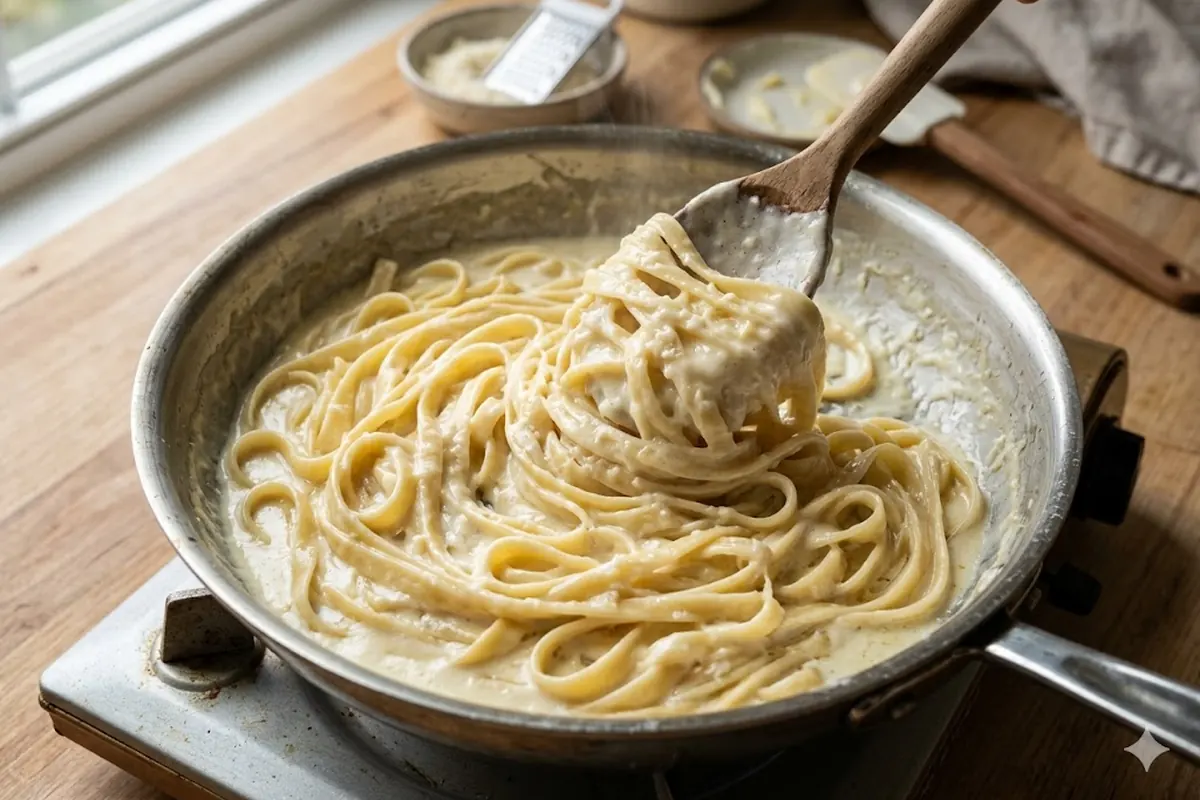
This is the version most people mean when they say alfredo. The working ratio I keep is 4 tablespoons butter to 1 cup heavy cream to 1 cup finely grated Parmesan, which sauces enough pasta for two generous plates. Salt the cheese carefully, since Parmesan already carries a lot of sodium.
Melt the butter over medium heat until it foams, then drop to medium-low. If you like garlic, bloom one minced clove for about 45 seconds, no longer, or it turns bitter. Pour in the cream and let it come to a bare simmer, not a rolling boil. Now move the pan half off the burner and rain in the Parmesan a handful at a time, whisking between additions. The sauce should thicken to where it coats the back of a spoon and a finger swiped through it leaves a clean line. That takes two to three minutes. Stir in cracked black pepper and a squeeze of lemon if you want brightness.
One detail nobody mentions: take the sauce off heat a touch looser than you want it. It tightens fast as it cools, and a sauce that looked perfect in the pan can turn pasty on the plate ninety seconds later. I learned that the hard way serving a table of six.
The Roman Method (No Cream)
The butter-and-cheese version is older and, done right, better. Cook your fettuccine until just shy of al dente and reserve at least a cup of the cooking water before you drain. That water is the whole trick. It carries dissolved starch, and starch is what lets butter and cheese form a stable, glossy emulsion instead of an oily puddle.
Off the heat, toss hot drained pasta with cold cubed butter, roughly 4 tablespoons per half pound of pasta, until it melts and coats every strand. Add a big handful of finely grated Parmigiano and a splash of the reserved water, around a quarter cup, then stir hard. It will look broken and ugly for a few seconds. Keep going. The starch grabs the fat, the cheese melts in, and the whole thing turns creamy in front of you. Add water by the tablespoon until it loosens into a sauce. If you have ever made cacio e pepe, this is the same physics with a milder cheese, and our guide to a proper butter sauce for pasta walks through the emulsion in more detail.
Why It Breaks, and the Temperature That Saves It
Cheese is fat and protein bound with water and calcium. Heat it gently and the fat melts smoothly into the sauce. Heat it too hard and the proteins contract, squeezing out the fat and leaving grainy curds in a slick of oil. That seizing kicks in around 185 degrees F. The safe working window for a finished alfredo is 150 to 160 degrees F, warm enough to melt cheese, cool enough to keep the proteins relaxed.
If you do not own an instant-read thermometer, use your senses. The surface should shiver with movement but never bubble hard. Steam, not boil. Pre-grated supermarket cheese makes this worse because it is dusted with cellulose anti-caking powder that refuses to melt cleanly, so grate from a block. The cheaper the Parmesan, the hotter you have to be tempted to push it, and the more likely it breaks. For a deeper look at fixing texture problems across sauces, our notes on how to thicken pasta sauce cover the same emulsion failures from the other direction.
Rescue Protocol for a Broken Sauce
You looked away, the sauce went grainy and oily, and dinner is in five minutes. It is fixable. Do this:
- Pull the pan off the heat immediately. More heat makes it worse.
- Add a tablespoon of pasta water heated to roughly 100 degrees F, not boiling. Warm water re-introduces the starch and moisture the emulsion lost.
- Whisk hard, almost violently, in one spot until you see the oil disappear back into the body of the sauce.
- Repeat with another tablespoon of water until it comes back glossy. Then keep it off direct heat.
If the cheese has fully curdled into grit, no amount of whisking restores it, but that is rare and usually means the pan hit a hard boil. Nine times out of ten the warm-water-and-whisk move brings it home. The trick is acting fast and lowering the heat instead of fighting it.
Scaling Up Without Splitting
Doubling alfredo is where most home cooks get burned, because a bigger volume of cream takes longer to come up to temperature and longer to come back down, which means more time hovering near the danger zone. Hold the ratio steady and add the cheese in more, smaller additions as you scale. Here is the table I keep taped inside a cabinet.
| Servings | Butter | Heavy cream | Parmesan |
|---|---|---|---|
| 2 | 4 tbsp | 1 cup | 1 cup |
| 4 | 8 tbsp | 2 cups | 2 cups |
| 6 | 12 tbsp | 3 cups | 3 cups |
| 8 | 16 tbsp | 4 cups | 4 cups |
The first time I doubled this for a dinner of eight, I dumped all the cheese in at once over a too-hot burner and watched two cups of Parmesan seize into gravel. I started over, added the cheese in five batches off the heat, and it came out flawless. Big batches need patience, not more heat. America’s Test Kitchen makes the same point about gentle, staged additions for cream sauces, and their work at americastestkitchen.com is worth reading if you want the test-driven version. Bon Appetit also has good writing on cheese-based pasta sauces over at bonappetit.com if you want to go deeper.
Ingredient Quality, From Butter to Cheese
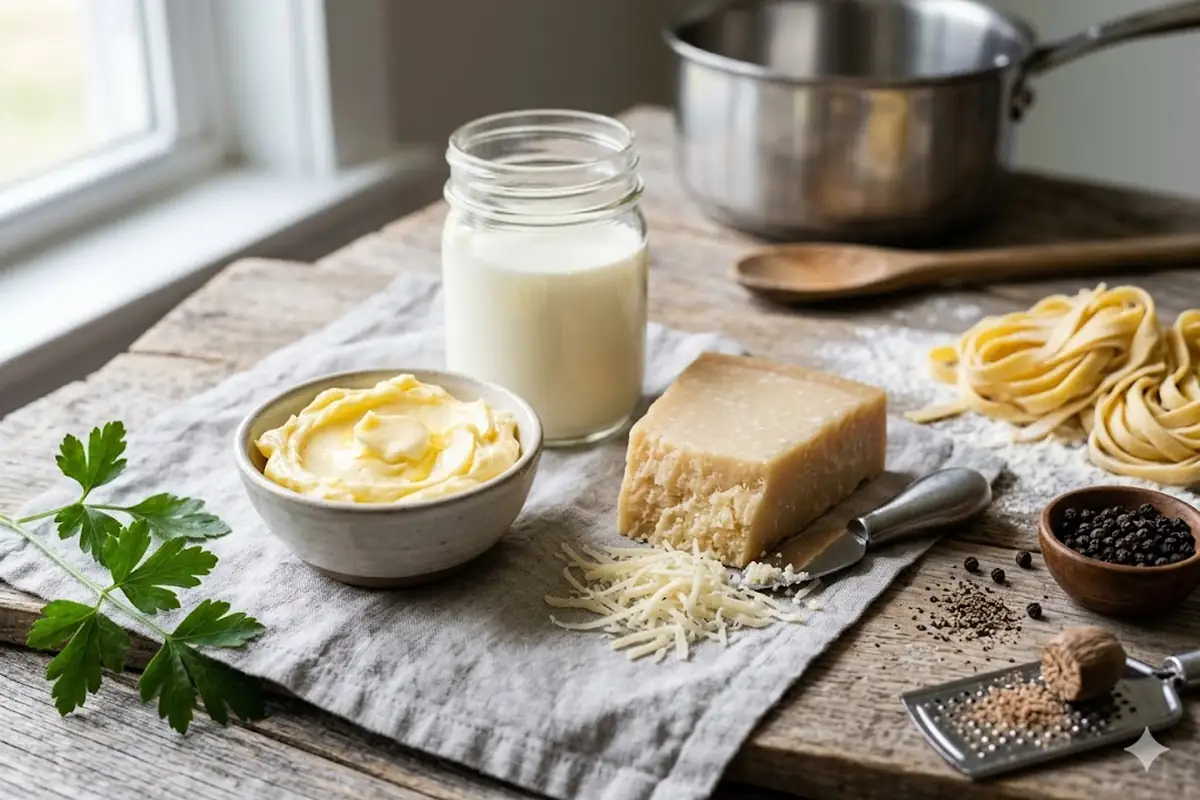
Three ingredients carry this sauce, so each one shows. Butter first: unsalted lets you control the seasoning, since Parmesan already brings a heavy dose of salt. European-style butter, the kind labeled 82 to 85 percent fat, makes a richer sauce than standard American butter at 80 percent, and you can taste the difference in something this bare. It is not required, but if you have it, use it here.
Cream matters less than people think, as long as it is actual heavy cream at 36 percent fat or higher. Half-and-half, around 12 percent fat, is too lean and breaks far more easily because there is less fat to buffer the heat and more water to drive off. If half-and-half is all you have, the Roman butter method is a safer bet than a thin cream sauce that wants to split.
The cheese is where corners get cut and where the sauce lives or dies. A wedge of real Parmigiano-Reggiano, aged at least 24 months, melts into a nutty, savory base that pre-grated cheese cannot touch. Grate it on the small holes of a box grater or with a rasp so it dissolves fast and evenly. Coarse shreds melt slower and tempt you to crank the heat, which is exactly how you get grit. A fine, almost powdery grate is the quiet trick behind every smooth alfredo I have made.
Common Mistakes I See Most Often
After fielding a lot of late-night sauce questions, the same handful of errors come up again and again. Boiling the cream is the big one. A rolling boil drives off water, concentrates the fat too fast, and pushes the temperature into the seizing zone. Keep it at a bare simmer where only a few lazy bubbles rise.
Adding cold cheese straight from the fridge to a hot pan is another. Cold Parmesan hitting hot cream shocks the proteins and clumps them before they can melt evenly. Let the cheese sit out while you cook the pasta so it comes to room temperature. Dumping all the cheese in at once is the third. Rain it in by the handful, whisking between additions, so each batch melts before the next lands.
The last one is over-saucing the noodles. Alfredo is rich, and a plate drowned in it gets cloying by the fourth bite. You want every strand glossed, not swimming. If there is a pool of sauce at the bottom of the bowl, you used too much or your pasta was too dry to absorb it. Reserve pasta water and add it to the noodles, not just the sauce, so they stay supple and grab their share.
Saucing the Pasta and Picking the Noodle
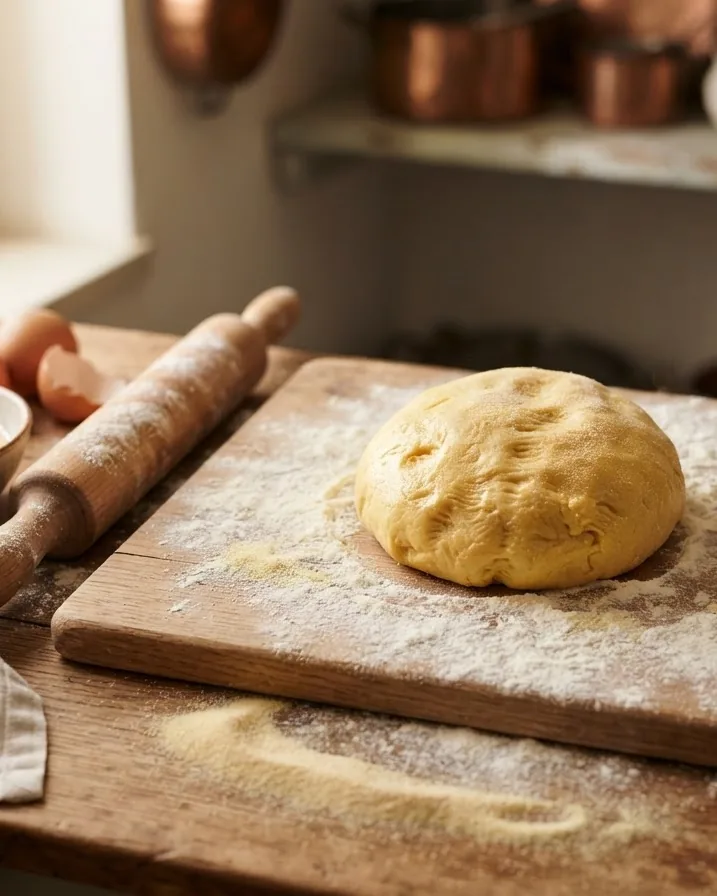
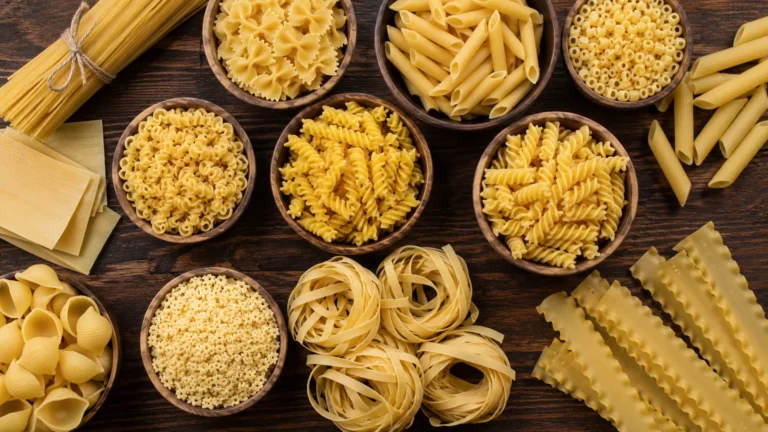
Sauce is only half the plate. Fettuccine is traditional because its flat, wide ribbons hold a clingy sauce, but fresh pasta is even better here since its rougher, more porous surface grabs more sauce per bite. If you make your own, our walkthrough on how to make pasta from scratch gets the texture right. Finish the noodles in the sauce, not the other way around: drain them a minute early, drop them into the warm pan, and toss for thirty seconds so they drink in flavor and release a little starch that tightens everything. Keep a splash of pasta water nearby to adjust. For other rich pasta ideas in this lane, the cream sauces roundup is a useful jumping-off point.
Variations Worth Trying
Once the base behaves, you can build on it without breaking the emulsion. A grate of fresh nutmeg, just a few passes, deepens the sauce and is a quiet nod to the cream sauces of northern Italy. A spoonful of mascarpone whisked in at the end adds body and a faint tang if you want something more decadent. For a sharper edge, swap a quarter of the Parmesan for Pecorino Romano, which brings a saltier, more aggressive bite, though you will want to cut back on added salt.
Protein turns the sauce into a meal. Grilled chicken sliced thin is the classic, but seared shrimp folded in during the last minute works beautifully, and the shrimp release a little brine that flavors the sauce. Vegetables hold their own too: blanched peas, sauteed mushrooms, or wilted spinach stirred in at the finish add color and cut the richness. Add them after the sauce is built and stable, never during, so they do not throw off the temperature or thin the emulsion with their water.
One variation I keep coming back to on cold nights is a brown-butter alfredo. Cook the butter past melted until the milk solids turn golden and smell like toasted hazelnuts, about 3 to 4 minutes, then proceed with the cream. It adds a nutty depth that store-bought jars cannot fake, and it costs you nothing but a few extra minutes of attention at the stove.
FAQ
Do I need cream to make homemade pasta alfredo sauce?
No. The original Roman version uses only butter, Parmesan, and starchy pasta water. Cream is the American addition and it makes the sauce more stable and easier to reheat, but it is optional. Pick cream for forgiveness, the butter method for flavor.
Why did my alfredo turn grainy or oily?
The pan got too hot and the cheese proteins seized, squeezing out the fat. Seizing starts around 185 degrees F. Keep a finished sauce at 150 to 160 degrees F, add cheese off direct heat, and grate from a block instead of using pre-shredded cheese with anti-caking agents.
Can I make alfredo sauce ahead and reheat it?
Yes, the cream version reheats best. Warm it slowly over low heat or in short microwave bursts, stirring in a splash of milk or warm water to bring it back to a coating consistency. The butter-only Roman version does not store as gracefully and is best made to order.
What is the best cheese for alfredo?
Freshly grated Parmigiano-Reggiano or a good domestic Parmesan. Grana Padano works too and costs less. Avoid pre-grated tubs, which contain cellulose powder that resists melting and leaves a sandy texture.
How much sauce do I need per pound of pasta?
The 2 serving ratio of 4 tablespoons butter, 1 cup cream, and 1 cup Parmesan dresses about a half pound of dried pasta. For a full pound, double it. Alfredo clings heavily, so err slightly under rather than drowning the noodles.
Can I add garlic and other seasonings?
Garlic is not traditional but tastes great. Bloom one minced clove in the butter for about 45 seconds before adding liquid. Black pepper, a little nutmeg, or a squeeze of lemon all work. Go light, since the cheese is the star.
Why is my sauce too thick on the plate?
Alfredo tightens as it cools. Pull it off the heat looser than you want it, and keep reserved pasta water on hand to loosen it back to a silky pour right before serving.
Bottom Line
Homemade pasta alfredo sauce is not hard once you stop treating it like a recipe and start treating it like an emulsion. Keep the finished sauce between 150 and 160 degrees F, add finely grated cheese off direct heat, and keep warm starchy water within reach to fix any split. Choose cream when you need stability or scale, choose butter and pasta water when you want the cleanest cheese flavor. Get those two ideas right and the sauce comes out silky every single time.