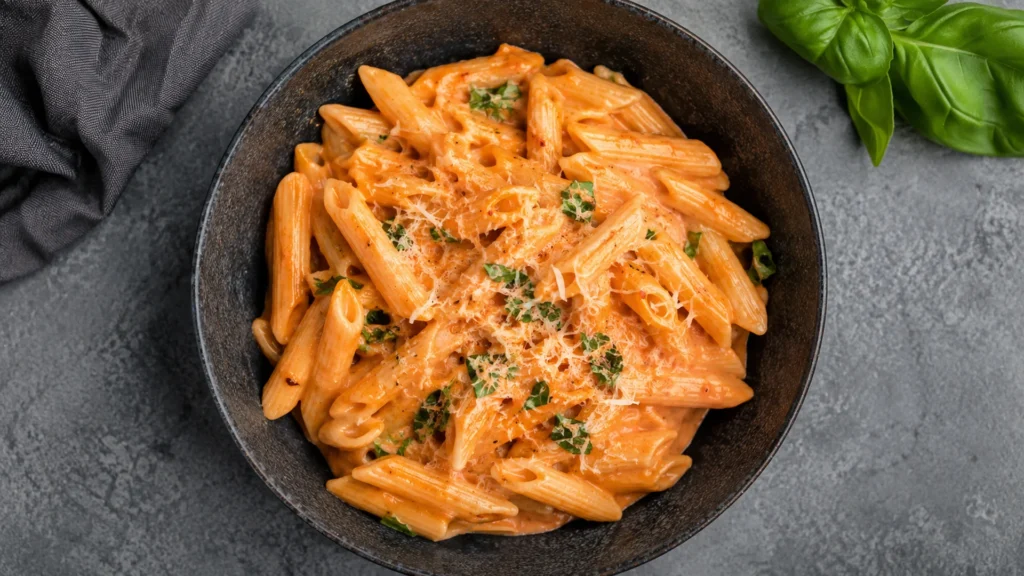
Can you freeze pasta? Yes, and in most cases you absolutely should. Cooked pasta, fresh uncooked pasta, and full baked pasta dishes all freeze well when you handle them right, giving you a month or two of ready meals waiting in the freezer. The trick is matching the method to the type: plain cooked noodles want a quick oil toss and a flat-frozen bag, sauced dishes freeze even better because the sauce shields the pasta, and fresh homemade pasta needs a light dusting of flour before it goes in. Done correctly, frozen pasta thaws and reheats in minutes with almost no loss of quality.
Where people go wrong is freezing pasta the same way no matter what it is, then ending up with a clumped brick or a mushy reheat. This guide breaks down exactly how to freeze every kind of pasta, which dishes freeze beautifully and which ones struggle, how long each lasts before quality slips, and how to reheat straight from frozen without thawing first. By the end you will treat the freezer as a second pantry for pasta night.
Can you freeze pasta? The short answer by type
Almost every form of pasta freezes, but the results and the methods differ. Here is the quick reference so you can see at a glance what works, how long it keeps at good quality, and the one move that matters most for each type.
| Pasta type | Freezes well? | Quality window | Key move |
|---|---|---|---|
| Cooked plain pasta | Yes | 1 to 2 months | Cook al dente; toss with oil |
| Cooked pasta with sauce | Yes, very well | 2 to 3 months | Sauce protects the noodles |
| Baked pasta (ziti, lasagna) | Excellent | 2 to 3 months | Freeze in the dish, foil-wrapped |
| Fresh uncooked pasta | Yes | Up to 8 months | Dust with flour; nest or freeze flat |
| Cream or seafood pasta | So-so | 1 month | Texture can break; eat soon |
| Dried pasta (uncooked) | No need | Years in pantry | Already shelf-stable |
The pattern is simple. The more a dish protects its noodles, whether with sauce or a baked structure, the better it freezes. The more delicate or already-soft the pasta is, the more its texture suffers. Keep that principle in mind and you will predict how any pasta dish will hold up.
How to freeze cooked plain pasta
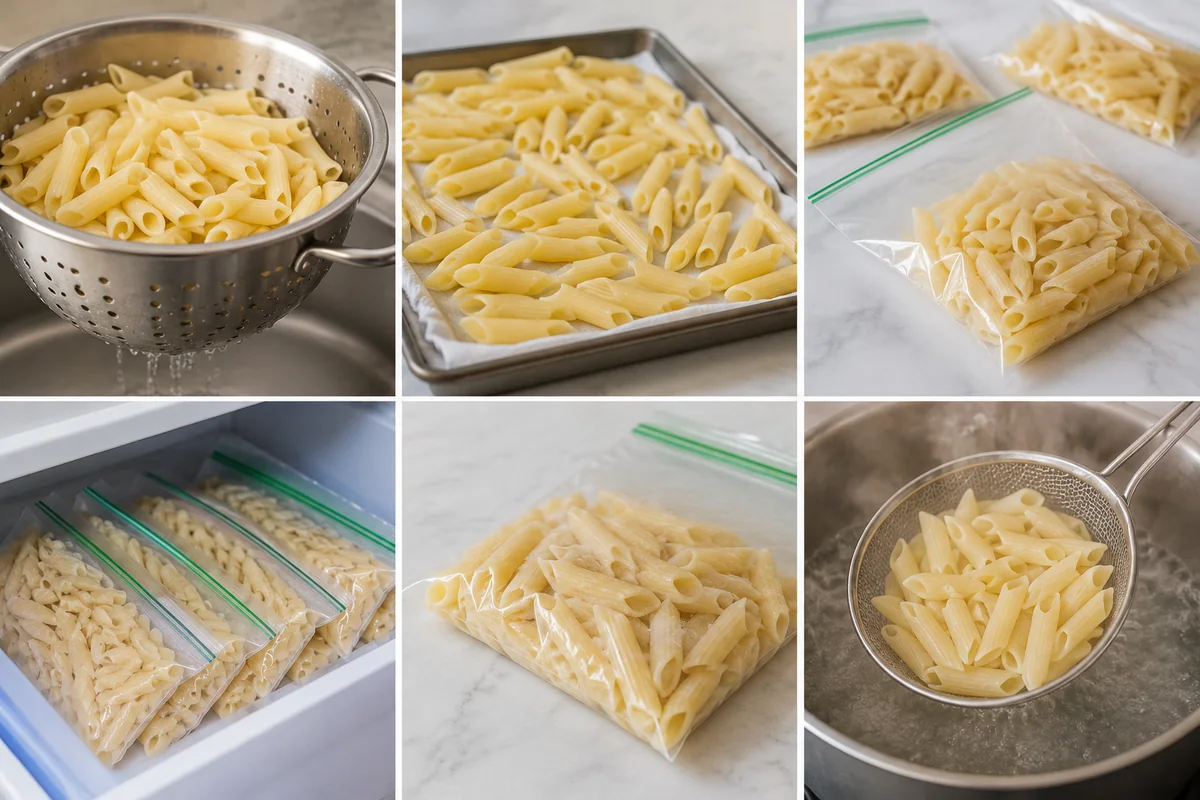
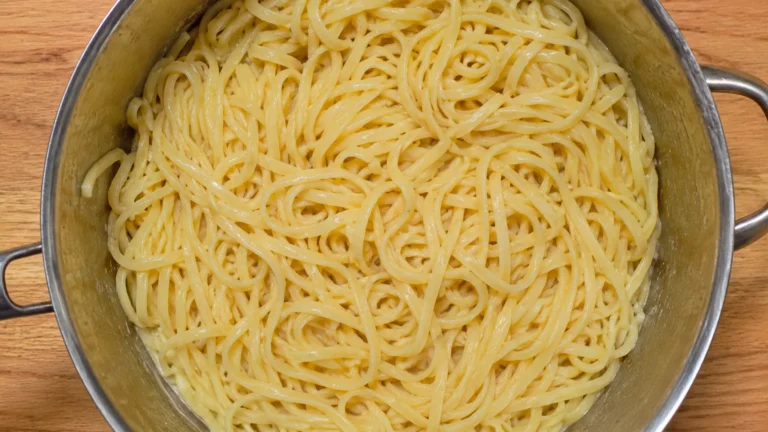
Plain cooked pasta is the workhorse of freezer meal prep, and freezing it well comes down to three things: doneness, drying, and portioning. Get those right and your noodles come back loose and springy rather than gummy.
It helps to think about why you are freezing plain pasta in the first place. Most home cooks do it because they boiled too much for one dinner, or because they want a stash of noodles ready for quick lunches and soups. Both goals reward the same approach: freeze the pasta naked, with no sauce, so you can dress it however you like later. A bag of plain frozen penne can become a baked dish on Monday, a cold pasta salad on Wednesday, and a noodle soup on Friday, all from the same batch. That flexibility is the reason plain pasta earns its freezer space even though sauced dishes technically freeze a little better.
First, cook the pasta to al dente, or even a touch firmer than you normally would. The freeze-and-reheat cycle softens noodles a little, so starting slightly firm leaves room for that without crossing into mush. Drain the pasta but do not rinse it during cooking, then let it cool. Once it is cool, toss it with a teaspoon or two of olive oil so the strands do not lock together into a single block in the freezer.
Next, portion the pasta into meal-sized amounts in airtight freezer bags. Press out as much air as you can, seal, and lay the bags flat so they freeze into thin slabs that stack neatly and thaw fast. Label each bag with the contents and the date. Frozen this way, plain pasta keeps its quality for one to two months, and a flat-frozen bag drops straight into boiling water for a minute to reheat.
Why al dente matters so much
Freezing forms tiny ice crystals inside the noodle, and reheating softens the starch further. A noodle cooked fully soft before freezing has no firmness left to lose, so it reheats limp. A noodle cooked al dente still has a little structure, and it relaxes to the perfect texture on the reheat. This is the single most important habit for freezer pasta, and it costs you nothing but pulling the pot off the heat a minute early.
How to freeze pasta with sauce and baked dishes
Sauced and baked pasta dishes are where the freezer really shines, because the sauce and structure protect the noodles from drying out or freezer burn. These dishes often taste just as good reheated as they did fresh.
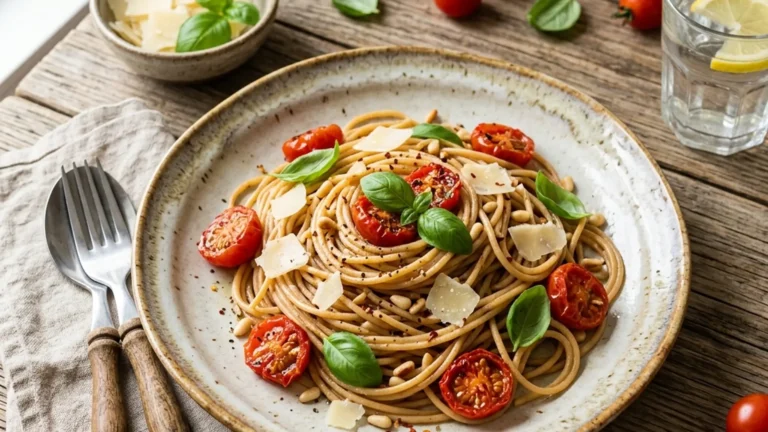
For a saucy pasta like a Bolognese or a marinara toss, cool the dish completely, then pack it into airtight containers or flat freezer bags in portions. The sauce coats and shields the noodles, so you do not even need the oil step. A good homemade pasta sauce freezes so well that many cooks make a big batch specifically to portion and stash. Sauced pasta holds quality for two to three months.
Baked dishes such as lasagna, baked ziti, and stuffed shells are the best freezer candidates of all. You can freeze them assembled but unbaked, or baked and cooled. Wrap the dish tightly in a layer of plastic and a layer of foil, or use a freezer-safe container with a lid. To serve, bake straight from frozen, covered with foil, adding 20 to 30 minutes to the usual time, then uncover at the end to brown the top. These dishes keep beautifully for two to three months.
One detail that makes baked dishes so freezer-friendly is the assemble-ahead option. You can build a full lasagna or a tray of stuffed shells, stop short of baking, and freeze it raw. When you want dinner, it goes from freezer to oven with no thawing and bakes into a fresh-from-scratch dish on a night you had no energy to cook. This is the closest thing the pasta kitchen has to a make-ahead miracle, and it is worth doubling a recipe specifically so one tray feeds you tonight and the other waits in the freezer for a future you who will be grateful.
Dishes that freeze less well
Not everything is a star. Cream-based sauces can separate or turn grainy when frozen and reheated, because the dairy and fat break under temperature swings. Seafood pasta loses texture quickly, and delicate cheese-heavy dishes can weep. You can still freeze these, but eat them within about a month and reheat them gently, stirring in a splash of fresh cream or sauce to bring a broken sauce back together. When in doubt, lean on tomato and oil-based sauces for the freezer and save the cream dishes for fresh nights.
How to freeze fresh and homemade pasta
Fresh pasta, whether store-bought or made at home, freezes wonderfully and actually keeps longer than cooked pasta because it has not been hydrated and cooked yet. If you make your own, freezing is the natural way to bank the effort of a big dough batch.
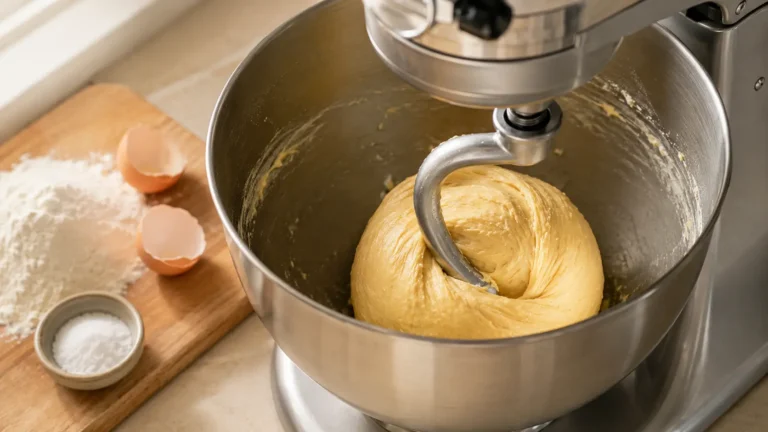
For long shapes like fettuccine or tagliatelle, dust the fresh strands generously with flour or semolina so they do not stick, then gather them into loose nests. Place the nests on a baking sheet and freeze them until firm, then transfer the frozen nests into a freezer bag. For filled shapes like ravioli or tortellini, freeze them in a single layer on a floured tray first, then bag them once solid so they do not fuse. This flash-freeze step is what keeps the pieces separate. If you want to make your own from scratch, our walkthrough on homemade pasta covers mixing, rolling, and shaping the dough.
Frozen fresh pasta keeps its quality for up to eight months. Cook it straight from frozen, adding a minute or so to the usual short boil time. Do not thaw fresh pasta before cooking, because thawed raw dough turns sticky and tears. Straight from freezer to boiling water is the only way to go.
How to reheat frozen pasta without thawing
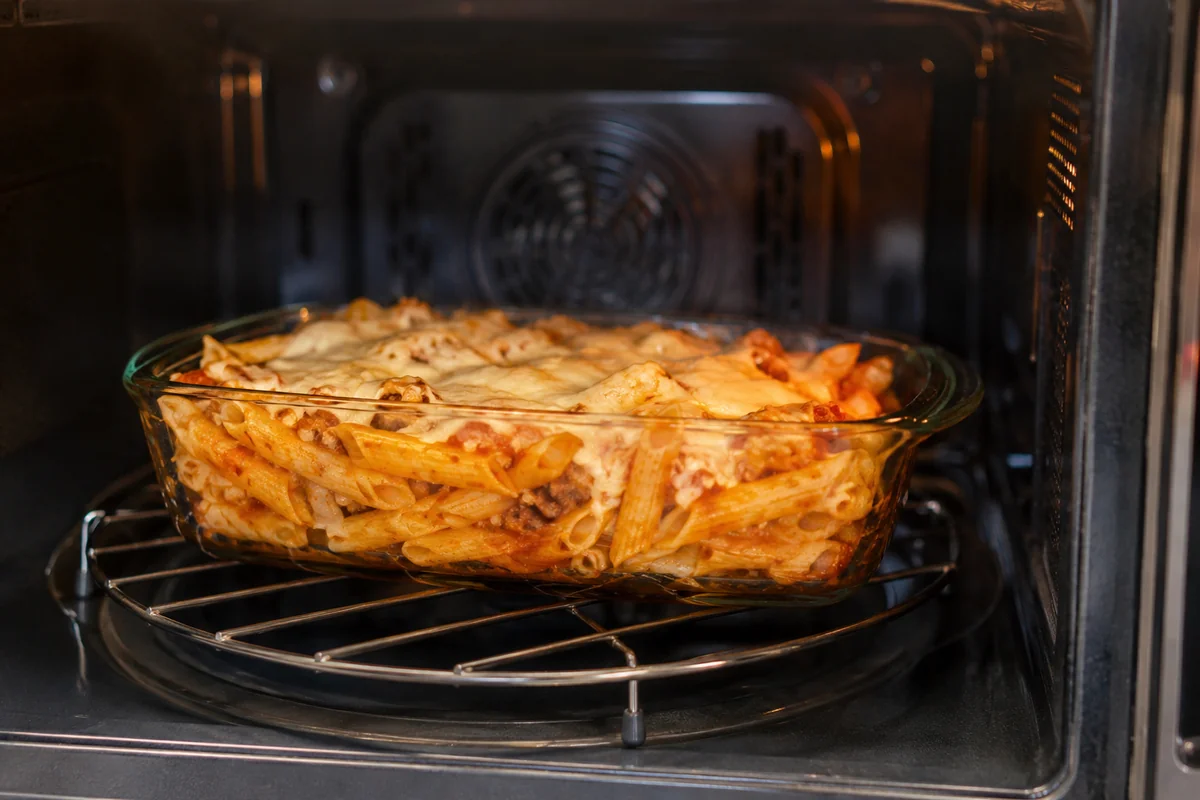
The beauty of frozen pasta is that you rarely need to thaw it at all. Going straight from frozen keeps the texture better and skips the planning. The method depends on what you froze.
| What you froze | How to reheat | Time |
|---|---|---|
| Plain cooked pasta | Drop frozen into boiling water | 1 to 2 minutes |
| Sauced pasta | Covered pan over low heat, splash of water | 8 to 12 minutes |
| Baked dish | Oven from frozen, covered with foil | Usual time plus 20 to 30 min |
| Fresh uncooked pasta | Boil from frozen | 3 to 5 minutes |
For sauced pasta, the low-and-slow stovetop approach lets the noodles thaw and warm in the sauce without scorching. Add a tablespoon of water if the sauce looks tight, cover the pan, and stir occasionally. The microwave works for single portions too: cover the bowl, heat in 90-second bursts, and stir between each so it warms evenly. Whatever you reheat, warm it all the way through to steaming before serving, and only reheat the portion you plan to eat that meal.
Avoiding freezer burn and other pitfalls
Before the pitfalls, one timing note worth internalizing: freeze pasta as soon as it has cooled, not after it has lingered in the fridge for a few days. The freezer locks in whatever quality and freshness the food has at the moment it goes in, so day-one pasta freezes into day-one pasta, while day-four pasta freezes into day-four pasta. If you know in advance that a batch is headed for the freezer, route it there directly rather than treating the freezer as a last resort for leftovers you forgot about.
Freezer burn is the enemy of good frozen pasta. It happens when air reaches the food and dries the surface, leaving pale, leathery spots. The fix is to minimize air contact: press the air out of bags, fill containers close to the top, and wrap baked dishes in two layers. Flat-frozen bags also reduce surface area exposed to air compared with a loose pile in a container.
A few other pitfalls trip people up. Do not freeze pasta that has already been sitting in the fridge near the end of its safe life, because freezing pauses spoilage but does not reverse it, a point that nutrition guidance from Healthline makes clear when it explains how leftover pasta degrades over time. Do not refreeze pasta you have already thawed and reheated, since each cycle degrades texture and safety. And do not skip the label, because a freezer full of anonymous foggy bags is how good food gets forgotten and tossed. If you ever question whether a frozen leftover is still good, our guide on whether pasta can go bad walks through the signs to watch for.
Portioning deserves one more mention, because it quietly determines how often you actually use your freezer stash. A single giant bag of pasta forces you to thaw the whole thing or hack at a frozen block, which is annoying enough that the bag tends to sit untouched. Several small bags, each holding one or two servings, get used because grabbing dinner is effortless. Spend the extra two minutes dividing a batch into individual portions, and you turn a freezer experiment into a habit you keep. The same logic applies to baked dishes: freezing a few single-serving containers alongside one family-sized tray gives you options for both solo lunches and full dinners.
How long frozen pasta really stays good
Frozen at zero degrees Fahrenheit, pasta stays technically safe almost indefinitely, but quality is what fades. For the best taste and texture, use cooked and sauced pasta within two to three months, plain cooked pasta within one to two months, and fresh uncooked pasta within eight months. After those windows the food is usually still safe but may taste flat or suffer freezer burn. The editors at Food Network stress the same point about cooking just to al dente, which carries straight over to freezer prep.
FAQ
Can you freeze pasta that is already cooked?
Yes. Cooked pasta freezes well for one to two months. Cook it to al dente, let it cool, toss plain noodles with a little oil to prevent clumping, then portion it into airtight freezer bags pressed flat. Reheat by dropping the frozen pasta straight into boiling water for a minute or two.
Can you freeze pasta with sauce on it?
Yes, and sauced pasta often freezes better than plain because the sauce protects the noodles from drying out and freezer burn. Cool the dish, pack it in airtight containers or flat bags, and use it within two to three months. Reheat it gently in a covered pan over low heat.
Can you freeze fresh homemade pasta?
Yes, and fresh pasta keeps up to eight months frozen. Dust the strands with flour and gather them into loose nests, or freeze filled shapes in a single layer first, then bag them once solid. Cook fresh pasta straight from frozen without thawing, adding about a minute to the usual boil time.
Do you need to thaw frozen pasta before reheating?
Usually no. Plain and fresh pasta go straight from frozen into boiling water, and baked dishes go from frozen into the oven covered with foil. Only sauced pasta benefits from gentle low-heat reheating in a covered pan, and even then you do not thaw it first. Skipping the thaw protects texture.
What pasta dishes do not freeze well?
Cream-based and cheese-heavy sauces can separate or turn grainy, and seafood pasta loses texture fast. You can still freeze these, but eat them within about a month and reheat gently, stirring in a splash of fresh cream or sauce to smooth a broken sauce. Tomato and oil-based dishes are the most freezer-friendly.
How long does frozen pasta last?
Frozen pasta stays safe almost indefinitely at zero degrees Fahrenheit, but for best quality use plain cooked pasta within one to two months, sauced pasta within two to three months, and fresh uncooked pasta within eight months. Beyond those windows it is usually still safe but may taste flat or develop freezer burn.
Bottom line
Can you freeze pasta? Yes, and once you match the method to the type, the freezer becomes one of the most useful tools in your pasta kitchen. Cook plain noodles al dente and toss them with oil, lean on sauced and baked dishes for the best results, and flash-freeze fresh pasta with a dusting of flour. Press out the air to dodge freezer burn, label everything with a date, and reheat straight from frozen to keep the texture intact. With those habits, a busy weeknight is never more than a few minutes from a real pasta dinner, and the work you put in on a Sunday pays off all month long.