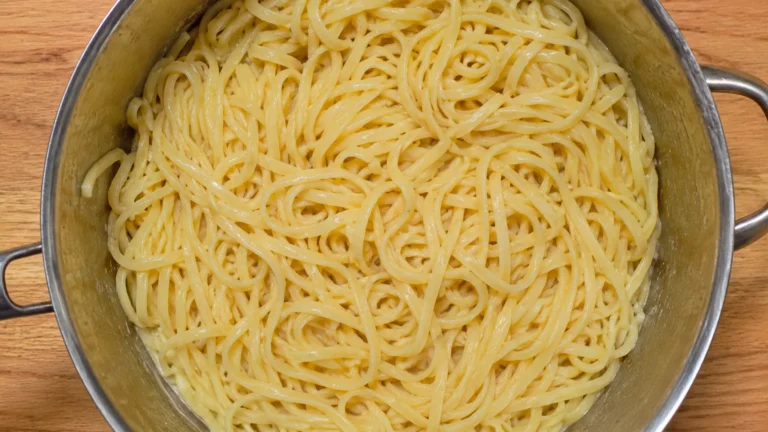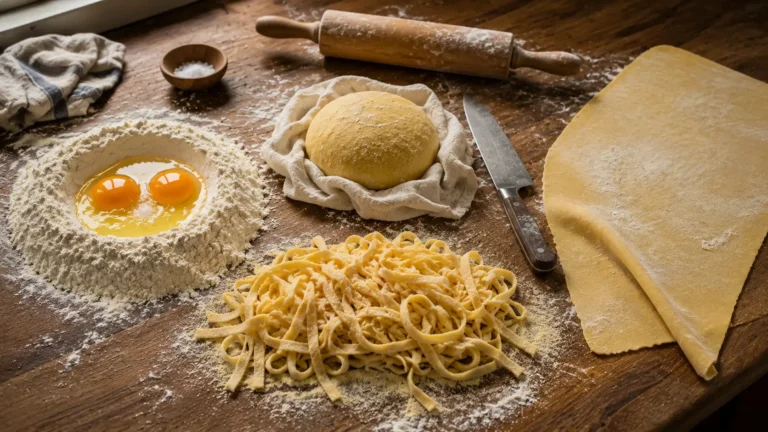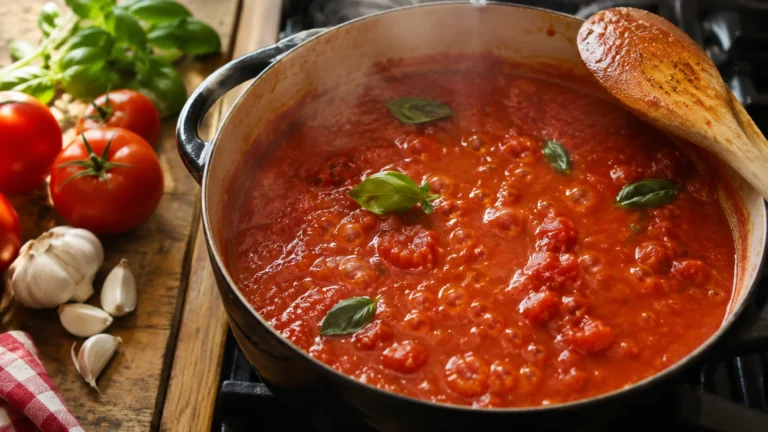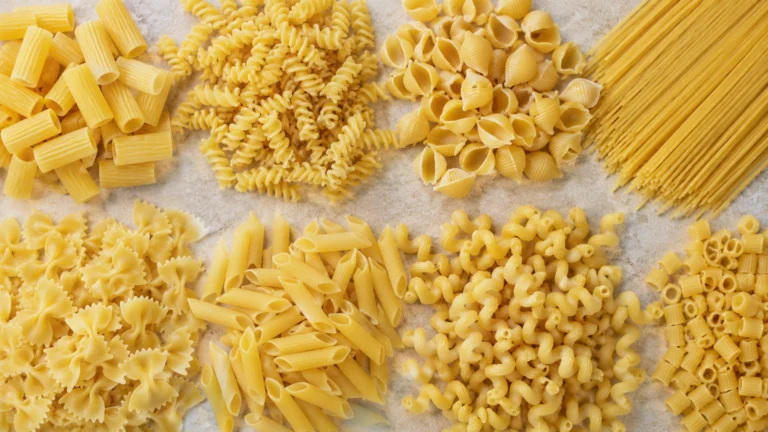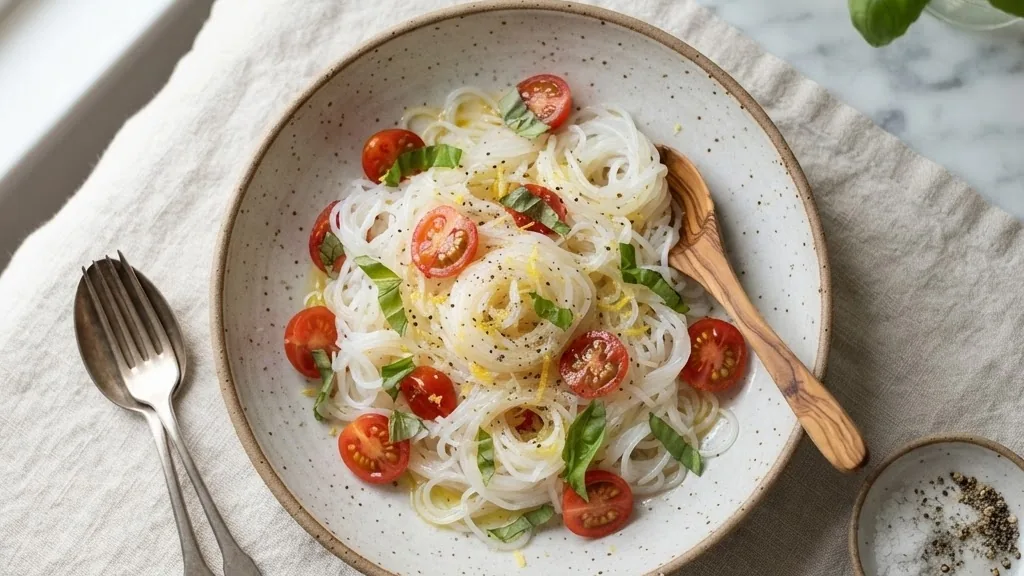
Pasta with least calories is not one answer but two questions hiding in the same search box: which noodle carries the fewest calories per bite, and which pasta dish actually helps someone eat lighter tonight. The short version, with numbers you can trace: shirataki lands near the bottom at roughly 10 kcal per 100 g cooked, while enriched white pasta sits around 158 kcal per 100 g cooked according to USDA FoodData Central. Below you get the full ranking, then what to cook with each, so you leave with a plan and not just a chart.
Quick answer: The pasta with least calories is shirataki (konjac), at about 10 kcal per 100 g cooked, because it is roughly 97 percent water and 3 percent glucomannan fiber. Zucchini noodles come next near 16 to 20 kcal per 100 g. Legume pastas like chickpea (185 to 190 kcal) and lentil (170 kcal) are heavier but bring 12 to 13.7 g protein per 100 g. Whole wheat spaghetti runs about 124 kcal per 100 g, lower than enriched white at 158 kcal. Lowest calorie does not automatically mean best for weight loss, and the rest of this guide explains why that gap matters more than the ranking itself.
The lowest calorie pasta, ranked from lightest to heaviest
The lowest calorie pasta by a wide margin is shirataki, near 10 kcal per 100 g cooked, followed by vegetable-based noodles and then legume pastas. Ranking by kilocalories per 100 g cooked keeps the comparison fair, because dry weight overstates everything: dry pasta measures about 371 kcal per 100 g, and that gap versus cooked comes almost entirely from water the noodle absorbs. Use the table as your three-second scan, then read the notes underneath for the details that shift real choices, like protein, fiber, and brand variance.
- Shirataki / konjac: ~10 kcal per 100 g cooked (real range 5 to 20 kcal by brand and tofu blend).
- Zucchini noodles (zoodles): ~16 to 20 kcal per 100 g.
- Edamame pasta: ~116 kcal per 100 g cooked, ~8 g protein per 55 g.
- Whole wheat spaghetti: ~124 kcal per 100 g cooked, 4.5 g fiber per 100 g.
- Enriched white pasta: ~158 kcal per 100 g cooked, 5.8 g protein, 1.8 g fiber (USDA).
- Lentil pasta: ~170 kcal per 100 g cooked, ~12 g protein.
- Chickpea pasta: ~185 to 190 kcal per 100 g cooked, ~13.7 g protein, ~8 g fiber.
One honest caveat the product listings skip: shirataki figures scatter. Some entries clock 20 kcal per 100 g rather than 10, usually because the noodle blends konjac with tofu. That is why a range beats a single hero number. If you want to understand how noodle geometry changes what a bag weighs and cooks down to, the field guide on how to read any pasta bag by specs makes the label math less mysterious.
It helps to see the same list expressed as a per-cup comparison, since almost nobody actually weighs out exactly 100 g at the stove. Using a standard cooked cup for comparison, shirataki remains the lightest option, followed by zoodles, edamame pasta, whole wheat, enriched white, lentil, and chickpea pasta. The ranking order never changes, only the scale you are looking at, so pick whichever unit matches how you actually cook and stick with it when comparing brands.
Why shirataki wins on calories: the glucomannan story
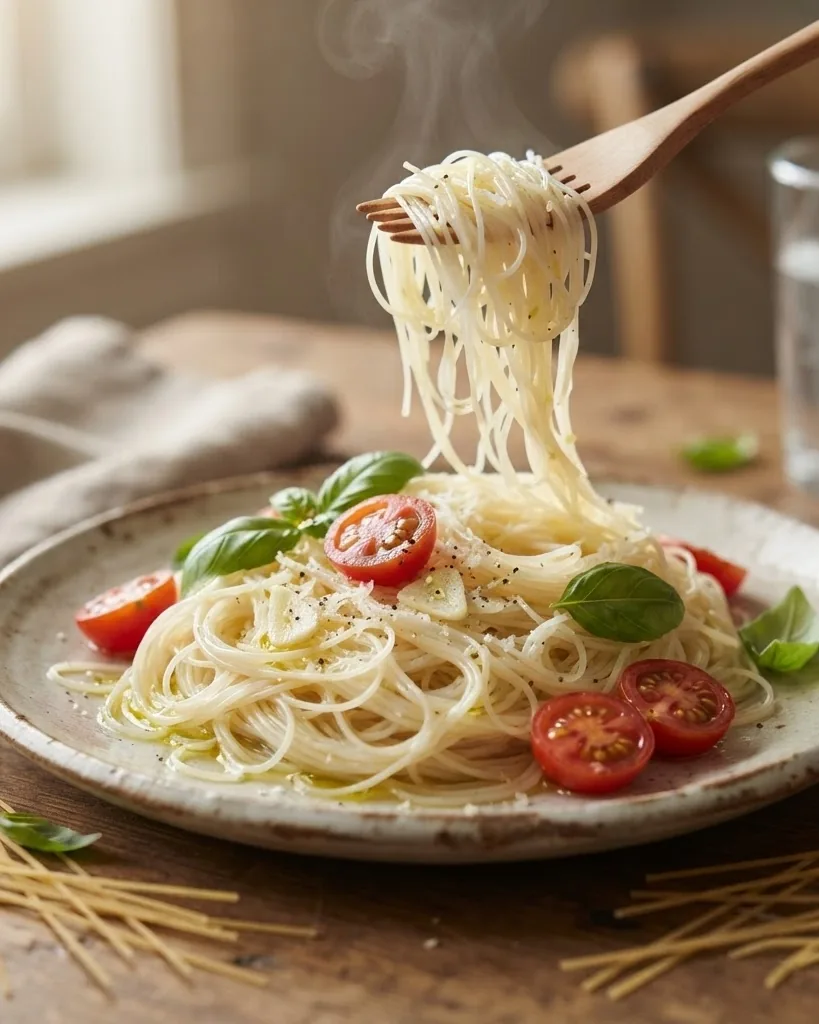
Shirataki wins the calorie contest because it is barely food in the caloric sense: about 97 percent water and 3 percent glucomannan, a soluble fiber pulled from the konjac plant. Fiber that the body does not fully digest contributes almost no usable energy, which is how a full 100 g portion lands near 10 kcal. The European Food Safety Authority reviewed konjac mannan and accepted a weight-management claim tied to glucomannan when taken at 3 g per day, split as 3 doses of 1 g before meals with water, inside a reduced-calorie diet. That is a supplement dose, not the amount in a bowl of noodles.
The nuance matters. EFSA endorsing a claim at a specific dose is not the same as noodles melting fat off anyone. A systematic review and meta-analysis by Onakpoya and colleagues pooled 8 randomized clinical trials and found no statistically significant weight loss from glucomannan versus placebo. Read both together and the takeaway is calm: shirataki is genuinely low in calories, but treat any minus-the-scale promise with skepticism.
- EFSA opinion: EFSA Journal 2010;8(10):1798.
- Counterweight: Onakpoya et al. 2014 meta-analysis of 8 RCTs.
Glucomannan also carries practical limits. It swells with water, so it needs to be taken with enough liquid, it can space out the timing of some oral medications, and a sudden jump in fiber can trigger bloating or cramping. None of that makes shirataki dangerous for most people; it makes hydration and moderation non-negotiable.
There is also a mechanical safety note that product pages rarely mention: because glucomannan expands so much when it absorbs liquid, taking it as a dry supplement without enough water has, in rare cases, been linked to esophageal or throat obstruction, which is why manufacturers print swallowing warnings on capsule versions. That risk applies to concentrated supplement tablets far more than to the noodle form eaten with a normal meal, but anyone with a swallowing difficulty should treat any glucomannan product, noodle or capsule, with the same caution and check with a doctor first.
How to cook shirataki so it is not rubbery or fishy
Shirataki turns rubbery and faintly fishy when people skip prep, and the fix takes about five minutes. The noodles arrive packed in a konjac-scented liquid, so the whole game is removing that water and driving off surface moisture before any sauce touches them. Do it right and the texture goes from squeaky to springy, closer to a thin ramen noodle than to spaghetti. Do it wrong and you confirm every bad review the bag ever earned. The sequence below is the one most reliable cooks converge on.
- Open, drain, and rinse under cold running water to strip the packing odor.
- Boil the rinsed noodles; this firms them and washes out more scent.
- Dry-fry in a hot pan with no oil until they squeak and stop weeping water; this is the step that kills sogginess.
- Only then add sauce, and keep it assertive, because these noodles are a blank canvas.
For a deeper walkthrough with photos and troubleshooting, Serious Eats keeps a dependable primer on cooking with shirataki noodles. If konjac is not your texture, zucchini noodles hit a similar ultra-light target with a vegetable bite that many people prefer, and they need nothing but a brief saute.
A few common mistakes explain most of the negative reviews online. Skipping the dry-fry step and going straight from rinse to sauce is the single biggest cause of a watery, bland dish, since the noodle is still carrying surface moisture that dilutes whatever sauce hits the pan. Using a mild sauce is the second mistake, because shirataki has almost no flavor of its own and needs something with real acid, salt, or umami, like soy, miso, chili oil, or a reduced tomato sauce, to carry the bowl. Finally, over-boiling softens the noodle too far and undoes the snap that makes shirataki pleasant rather than mushy.
Legume pastas: heavier calories, but the smarter swap for many
Legume pastas are not the lowest calorie pasta, and pretending otherwise is where most guides mislead. Chickpea pasta runs about 185 to 190 kcal per 100 g cooked, lentil about 170 kcal, edamame around 116 kcal. Compare a 140 g cup: chickpea pasta delivers roughly 185 kcal against about 221 kcal for enriched wheat. The real argument for these is not the calorie line at all. It is the protein and fiber that come attached, which change how long a bowl keeps you full.
- Chickpea pasta: ~13.7 g protein and ~8 g fiber per 100 g cooked.
- Lentil pasta: ~12 g protein per 100 g cooked.
- Edamame pasta: ~8 g protein per 55 g serving.
Fiber context makes this land. A common daily reference target sits near 28 g of fiber, and only about 1 adult in 10 hits it. A chickpea-pasta dinner can move you a real fraction toward that number in one plate. That satiety edge is why a dietitian will often steer someone toward legume pasta over a 10-calorie noodle: fewer total calories eaten across the day beats the lowest sticker per bowl. For a legume-forward dinner that leans on beans for creaminess without cream, this creamy white bean alfredo pasta is a strong template, and the broader set of plant-based pasta ideas stretches the same idea across the week.
Texture is the other factor worth naming honestly. Legume pastas cook differently from wheat: they overcook fast, going from al dente to mushy in as little as 30 to 60 extra seconds, and they can taste slightly beany if boiled in unsalted water. Salting the cooking water generously and pulling the pasta a minute early, then finishing it in the sauce, fixes both problems. Rinsing briefly after draining also removes some of the surface starch that can make legume pasta clump more than wheat pasta does.
Sauce calories compared: where a light dish gets heavy fast
Sauce is where a carefully chosen low-calorie noodle quietly stops being low calorie. A plain marinara built from crushed tomatoes, garlic, and olive oil typically contributes fewer calories per serving. A basil pesto, driven by oil and pine nuts, jumps to a significantly higher amount for the same volume. A classic alfredo built on butter, cream, and parmesan can reach 300 to 400 kcal per half-cup on its own, which means the sauce alone can outweigh the noodles underneath it, whatever noodle you picked.
This is the practical reason the tableau at the top of this guide only tells half the story. A light shirataki base with a rich alfredo sauce is a heavier meal than a moderate chickpea pasta with a light marinara. Choosing the noodle matters, but choosing the sauce matters at least as much, and often more. A useful habit is to measure sauce with a ladle or a half-cup scoop rather than pouring freehand, since sauce is the ingredient people most reliably over-portion at home.
Portion and sauce: the two levers that beat the noodle choice
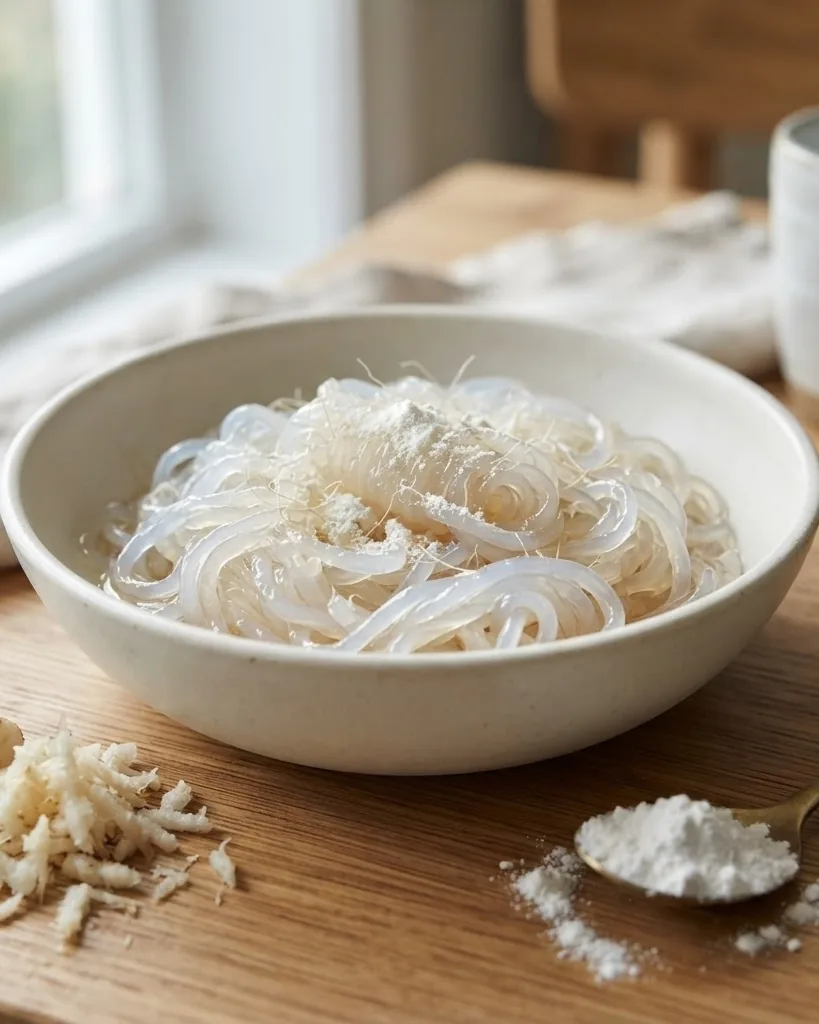
Portion and sauce swing a pasta meal harder than which noodle you buy, and both hide in plain sight. The base unit worth memorizing: 56 g of dry pasta cooks to about 140 g, roughly 1 cup. Most people plate two or three times that without noticing, which quietly doubles or triples the calorie count before a single spoon of sauce lands. Fix the portion first and even ordinary enriched pasta at 158 kcal per 100 g becomes a moderate meal rather than a heavy one.
Sauce is the second lever, and it is where numbers explode. A restrained tomato-and-garlic base adds little; a cream, cheese, and butter reduction can outweigh the noodles entirely. If you want a template that keeps a bright, herby profile without piling on richness, the garlicky lemon asparagus pasta recipe shows how acid and vegetables carry flavor in place of fat.
There is also a small, real trick: cooking pasta, cooling it, then reheating it converts some starch into resistant starch, which the body absorbs less completely. It will not transform a bowl, but paired with a controlled portion it nudges the numbers the right way. For weeknights when even that feels like too much fuss, a streamlined one-pot sausage and sun-dried tomato pasta lets you control the total by controlling the pan.
A worked example makes the math concrete. Start with 56 g dry enriched pasta, cooked to about 140 g, at roughly 221 kcal. Add a restrained marinara and a tablespoon of parmesan, and the plate becomes a complete dish. Swap the same portion to chickpea pasta and the plate’s overall energy rises slightly, but gains more protein and more fiber, which for most people buys more fullness than the extra energy costs. That trade, a small calorie increase for a real satiety gain, is the calculation worth running before assuming lowest calorie wins.
Three recipes for lighter meals, with the macros shown
Three dishes prove that low-calorie pasta can mean dinner and not deprivation, one built on shirataki, one on zucchini, one on legumes, each keeping the energy profile well-managed. The point is to translate the ranking into food you would actually cook, using the same figures from the table so the math stays honest. Treat these as skeletons: the noodle and portion set the floor, and you decide how far to push sauce and add-ins. Keep vegetables generous, since they buy volume for almost no calories.
- Shirataki sesame-scallion bowl: one 100 g portion shirataki at ~10 kcal, dry-fried, tossed with a light soy-sesame glaze and scallions; keeps the base near the noodle floor before sauce.
- Zucchini noodle pomodoro: 100 g zoodles at ~16 to 20 kcal with a simple tomato-basil sauce; the noodle contributes almost nothing, so the sauce is the budget.
- Chickpea pasta with lemon and greens: a 140 g cup at ~185 kcal, ~13.7 g protein and ~8 g fiber, finished with lemon, garlic, and wilted greens for a filling plate.
Round out the table with sides that cost little. Crispy roasted vegetables carry a meal without heavy sauce, and this air fryer artichokes with feta dip pairs neatly with any of the three. For high-protein leftovers that reheat well the next day, the collection of budget high-protein meals plays the same satiety card as legume pasta.
Meal-prep versions of all three hold up well refrigerated, with one adjustment: keep the sauce separate from the shirataki and zoodle bowls until reheating, since both noodles release water as they sit and will dilute a sauce mixed in ahead of time. Chickpea pasta holds better pre-mixed because its firmer structure absorbs sauce without turning watery, which also makes it the easiest of the three to batch on a Sunday and portion into containers for the week.
Lowest calorie is not the same as best for weight loss
Lowest calorie and best for weight loss are different targets, and confusing them is the most common mistake in this search. Shirataki wins the calorie count outright at about 10 kcal per 100 g, but a bowl of near-water noodles can leave you hungry within the hour, which often leads to eating more later. Weight management runs on total calories across a day and on satiety, and satiety runs on protein and fiber far more than on the sticker calories of a single dish.
That is why the smart move is often a hybrid. Use ultra-light noodles when you want volume for almost nothing, and use legume pasta when you need a meal that holds. On the regulatory side, the phrase low calorie has a fixed meaning: under United States food labeling rules, a low calorie claim generally requires meeting a strict limit per reference amount. That threshold is why almost no standard wheat pasta can legally wear the label, while shirataki comfortably can.
USDA FoodData Central remains the reference to trust for the underlying numbers, and a registered dietitian is the right person to translate them for your body and goals rather than a product page selling one brand. For the naming side of the pasta world, if the terminology ever trips you up, the sourced breakdown of how to spell pasta fazool is a fun tangent that clears up a surprising number of arguments.
One more distinction worth spelling out is density versus total intake. Calorie density, calories per gram, determines how much food you can eat for a given calorie budget, and shirataki wins that measure outright. Total intake across the day determines actual weight change, and total intake is shaped by how full you feel after eating, not by density alone. A person who eats a low-density shirataki bowl and is hungry again quickly may end up eating more that day than someone who ate a moderate-density chickpea pasta bowl and stayed satisfied until the next meal. Neither approach is wrong; they just optimize for different things.
Reading nutrition labels without getting fooled
Reading a pasta label starts with one question: is this number for dry or cooked pasta? Dry pasta shows about 371 kcal per 100 g, cooked enriched pasta about 158 kcal per 100 g, and the difference is water, not magic. Package fronts love the higher-drama framing, so always check whether the serving is weighed dry or as prepared before you compare two bags. A second habit: match everything to the 56 g dry to 140 g cooked cup so you are comparing plates, not paragraphs.
Cross-checking helps too, and the practice is not limited to pasta. A clear worked example of decoding a package sits in this rundown of Club Crackers nutrition facts, which walks through the same serving-size traps you meet on a pasta box. Bring that same suspicion to any noodle claiming to be the lightest, and confirm the figure against a neutral database before you believe it.
Some labels list a full package as multiple servings when most people eat the whole bag in one sitting, which reduces the printed calorie figure relative to what a person actually consumes. Reading the total package calories, not just the per-serving line, avoids the most common way these products understate their real contribution to a meal.
Frequently asked questions
Does shirataki really have zero calories?
No, but it is close. Shirataki averages about 10 kcal per 100 g cooked, with a real range of 5 to 20 kcal depending on brand and whether tofu is blended in. It reads as near-zero because it is roughly 97 percent water and 3 percent glucomannan fiber, which the body barely converts to usable energy. Zero is marketing shorthand, not the measured number.
Can you lose weight while still eating pasta?
Yes, because weight change tracks total daily calories, not any single food. A 56 g dry portion cooking to about 140 g, paired with a light sauce and plenty of vegetables, fits most reduced-calorie plans. Choosing legume pasta adds protein and fiber that curb later hunger. Cooling then reheating pasta also builds some resistant starch, a small helpful nudge rather than a fix.
Which is better, shirataki or chickpea pasta?
It depends on the goal. Shirataki is far lower in calories at about 10 kcal per 100 g, so it wins if you want maximum volume for almost nothing. Chickpea pasta runs 185 to 190 kcal per 100 g but brings roughly 13.7 g protein and 8 g fiber, which keep you fuller longer. For a satisfying meal, many dietitians favor chickpea.
What does the FDA low calorie label actually mean?
Under United States labeling rules, a low calorie claim generally requires adhering to a strict maximum limit per reference amount customarily consumed. Standard wheat pasta far exceeds that, so it cannot carry the claim, while shirataki near 10 kcal per 100 g can. The label is a legal threshold, not a general opinion about whether a food helps with weight.
Are legume pastas gluten-free?
Most pastas made purely from chickpea, lentil, or edamame flour contain no wheat and are naturally gluten-free, though you should confirm on the package since some blends add wheat. They also deliver more protein and fiber than refined wheat pasta. If gluten is the deciding factor, a dedicated guide to gluten-free pasta options compares textures and cooking behavior across brands.
Is it safe to eat shirataki every day?
For most healthy adults, occasional or frequent shirataki servings are fine, but daily reliance on it as a sole carbohydrate source is not ideal, since it supplies almost no protein, vitamins, or minerals beyond fiber. It works best rotated with legume pasta or whole grains so the diet keeps some nutritional variety. Anyone with swallowing difficulties or on medication schedules sensitive to fiber timing should check with a doctor before making it a daily habit.
Note: nutrition needs vary from person to person, and the figures here describe typical values rather than medical advice. If you are managing a health condition, taking medication that interacts with high-fiber foods, or planning significant dietary change, a registered dietitian or your doctor can tailor these numbers to you.