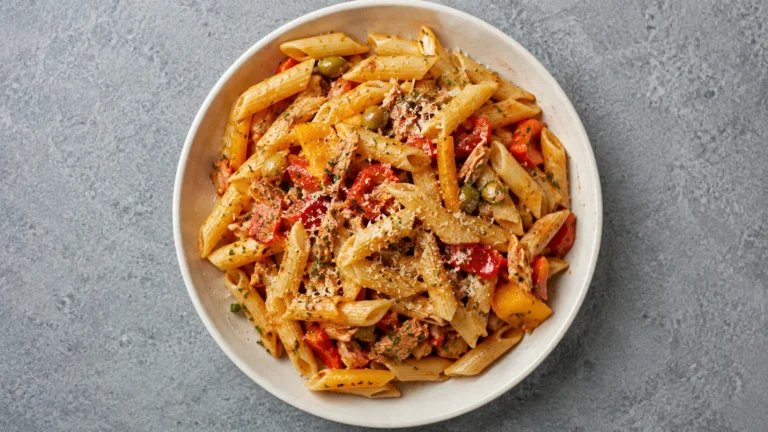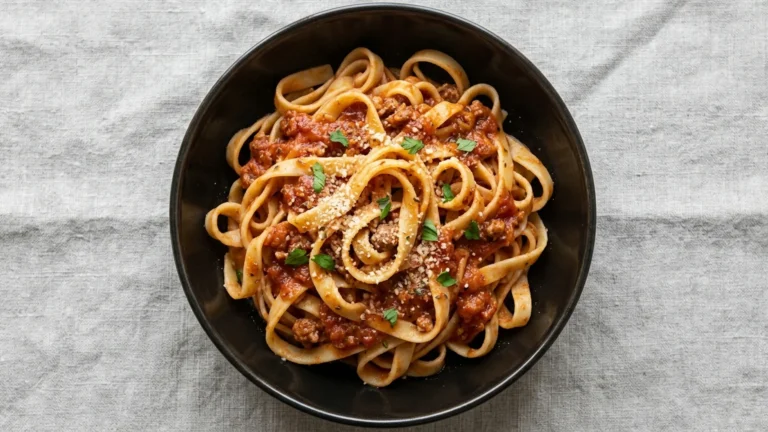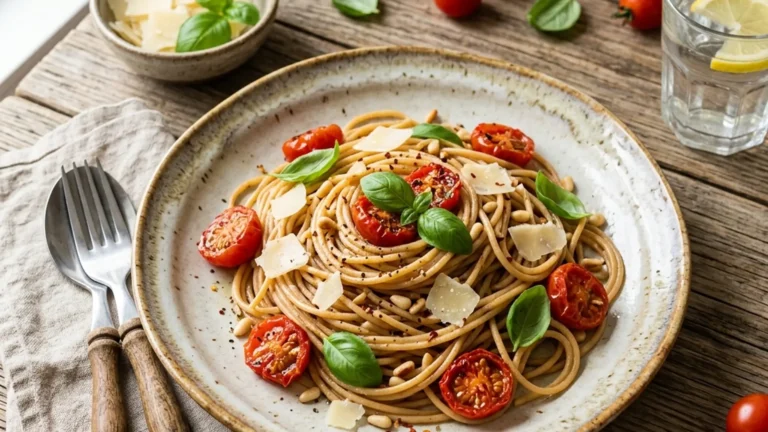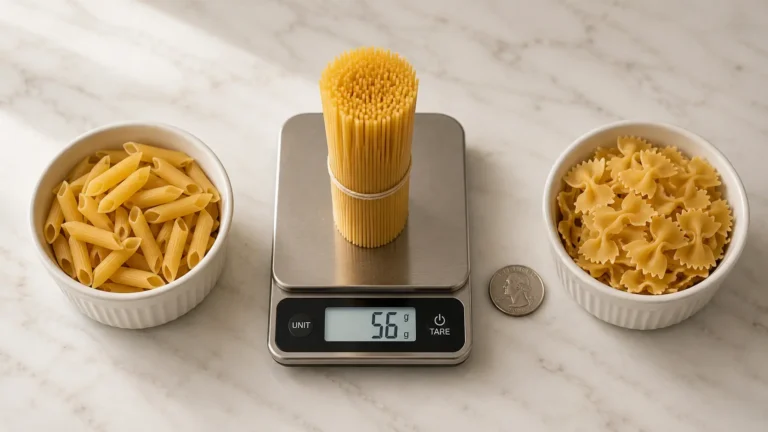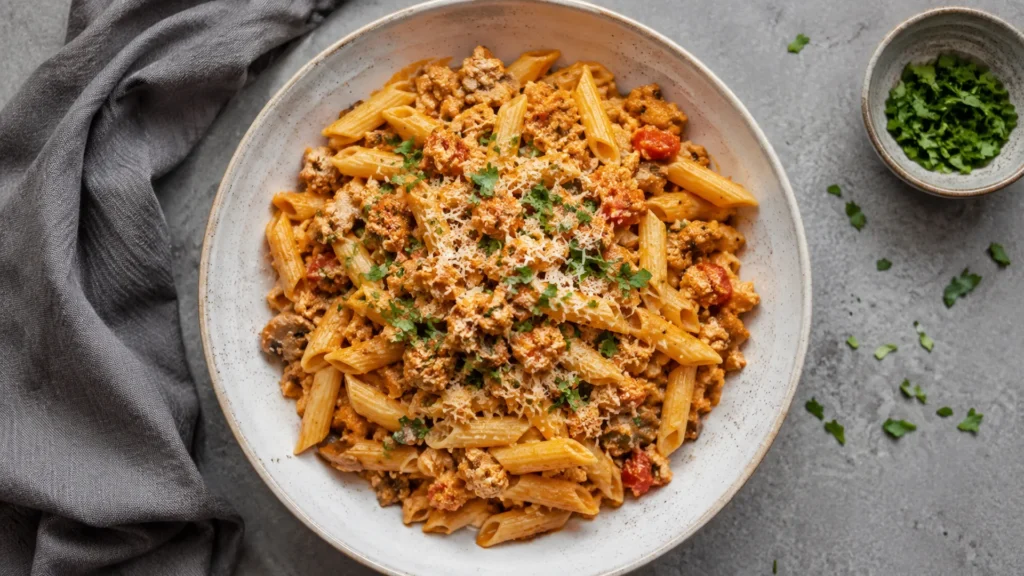
High protein pasta has gone mainstream because it solves a real problem: ordinary pasta is mostly starch, and a big bowl can leave you full of carbs but short on the protein that keeps you satisfied and supports muscle. The fix comes in two forms. You can buy a pasta made from a higher-protein base like chickpeas, lentils, or peas, which can carry roughly twice the protein of wheat pasta, or you can take any pasta and build the protein around it with the right sauce and add-ins. Both work, and the smartest plates use a bit of each. The catch is that legume pastas cook and taste differently from wheat, so treating them like regular pasta leads to mush and disappointment. In this lab guide I break down what actually makes a pasta high in protein, the numbers behind each base, how to cook legume pasta so it stays firm, the flavor tradeoffs, and how to push the protein of any pasta dinner higher without a special box.
What Counts as High Protein Pasta
Standard wheat pasta is not a high-protein food. A 2-ounce dry serving (about a cup cooked) gives you roughly 7 grams of protein, which is fine but modest next to the 40 to 50 grams of carbohydrate in the same serving. Whole wheat pasta nudges that up slightly to around 7 to 8 grams. To earn the high-protein label, a pasta generally needs to clear 10 grams per serving, and the products that do it pull from a different raw material. The big lever is the base flour. Swap durum wheat for ground legumes (chickpeas, red lentils, green peas, or black beans) and protein roughly doubles while fiber climbs even faster. A second route is wheat pasta fortified with added protein, such as lupini bean flour blended into semolina, which raises the number while keeping a more familiar wheat texture. The third route is not a special pasta at all: it is loading an ordinary pasta dish with high-protein toppings. Each path has tradeoffs in taste, texture, and cost. Legume boxes cost more than ordinary pasta and bring a distinct flavor, while the topping route keeps your favorite noodle but takes a little more planning at the stove. Knowing which route fits your goal saves money and avoids the common letdown of buying a pricey box that nobody at the table enjoys.
The Numbers: Protein by Base
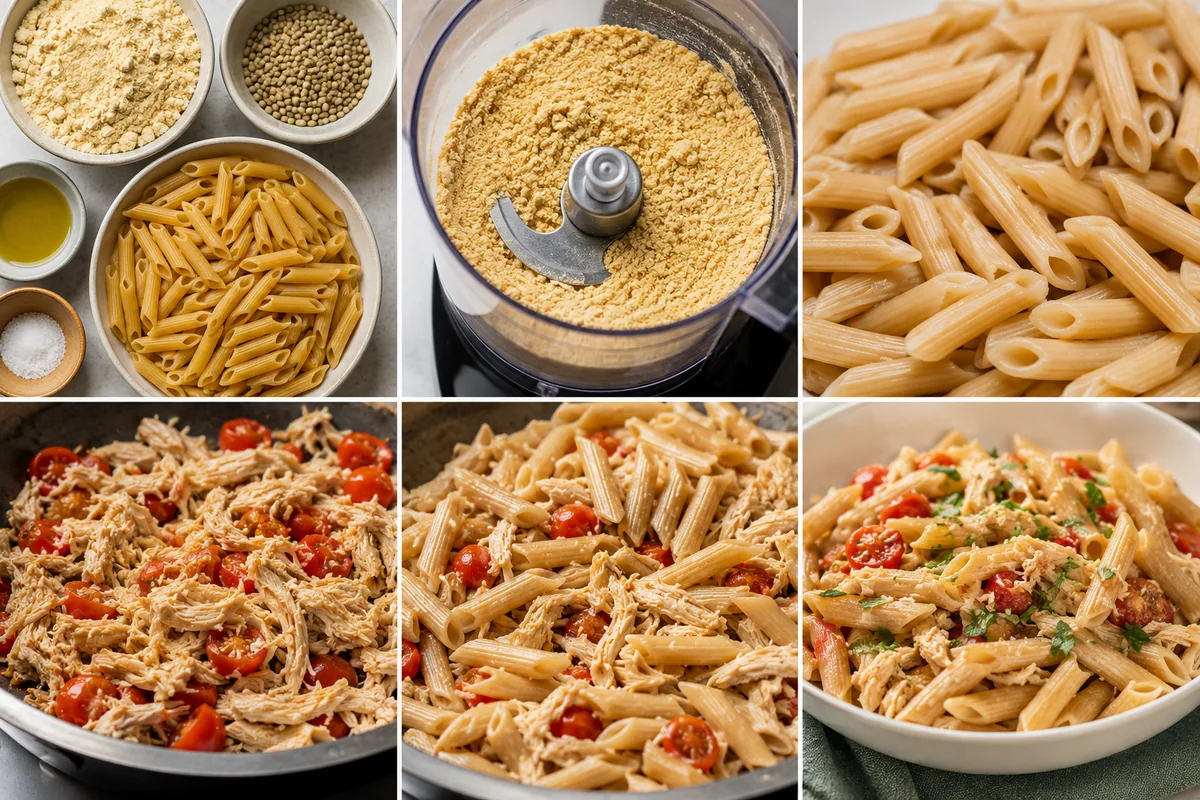
Here is how the common bases compare per 2-ounce dry serving. Exact figures shift by brand, but the ranking is consistent.
| Base | Protein (g) | Fiber (g) | Texture and flavor |
|---|---|---|---|
| Chickpea | 11-14 | 5-8 | Firm, earthy, slightly grainy |
| Red lentil | 11-13 | 4-7 | Soft-firm, mild legume taste |
| Green pea / edamame | 14-24 | 5-13 | Firm, beany, can be soft |
| Lupini-fortified wheat | 12-15 | 3-6 | Close to wheat, mild |
| Whole wheat | 7-8 | 5-6 | Hearty, nutty, classic chew |
| Regular wheat | 7 | 2-3 | Mild, smooth, familiar |
Edamame and pure green-pea pastas sit at the top of the protein chart, sometimes pushing past 20 grams per serving, but they read the most beany and can soften fast in the pot. Chickpea pasta is the popular middle ground, with strong protein and fiber and a firm bite, at the cost of an earthy flavor and a faintly grainy surface. Red lentil pasta is the gentlest in taste of the legume group, which makes it a good entry point. Lupini-fortified wheat pasta is the choice when you want the protein bump but refuse to give up a wheat-like texture. Whatever you pick, the fiber rides along with the protein in legume pastas, which is part of why these noodles are so filling; a single serving can deliver as much fiber as a serving of vegetables. For a wider map of how these bases fit among all pasta types, see our guide to the category of pasta.
Cooking Legume Pasta So It Stays Firm
This is where most high protein pasta dinners go wrong. Legume pastas behave nothing like wheat in the pot, and the wheat-pasta habit of a long, lazy boil turns them to paste. The starches and proteins in beans and lentils release fast, so the cooking window is short and the foam is heavy.
Use Plenty of Water and Skim the Foam
Legume pasta throws off a thick starchy foam that can boil over and coat the noodles in gluey residue. Use at least 4 quarts of water per box so the foam has room and the protein has somewhere to disperse, and skim it off or lower the heat to a steady simmer if it threatens to climb the pot. A big pot also keeps the noodles from clumping, which legume pasta loves to do.
Pull It Early and Taste Constantly
Most legume pasta hits al dente 1 to 2 minutes before the box time, and some edamame and pea versions go from firm to falling apart in under a minute. Start tasting 2 minutes early and pull the moment it gives a tender-firm bite. If the dish gets finished in a hot sauce, stop the boil even earlier so the second cook does not push it over. Overcooked chickpea pasta turns chalky and grainy; overcooked pea pasta turns to mush.
Reserve the Water, Skip the Rinse
Save a cup of cooking water before draining; for legume pasta the starch in that water is excellent for binding a sauce into a glossy coat. Do not rinse unless you are making a cold salad, because the surface starch helps sauce cling. Sauce the pasta right away rather than letting it sit, since drained legume noodles stiffen and stick fast as they cool.
Taste and Texture Tradeoffs (and How to Hide Them)
No legume pasta tastes exactly like wheat, and pretending otherwise sets you up for disappointment. Chickpea and pea pastas carry an earthy, beany note and a slightly rougher surface; lentil is milder; lupini-fortified wheat is the closest to neutral. The trick is to lean into sauces that complement or cover those flavors. Bold, acidic tomato sauces, garlicky pestos, spicy arrabbiata, and rich meat or sausage ragus all stand up to and balance the legume flavor. Delicate butter-and-cheese sauces, on the other hand, leave the beany note exposed. A squeeze of lemon, a hit of chili, or a generous shower of grated cheese also pulls the flavor toward familiar territory. Texture-wise, the rougher surface of legume pasta actually grabs sauce well, which works in your favor. If you are easing a skeptical family in, start with red lentil pasta under a strong tomato sauce, or use a lupini-fortified wheat pasta that reads almost like the real thing. Our notes on pasta shapes help you match these noodles to sauces that play to their strengths. Taste of Home and other test kitchens have run side-by-side tastings of protein pastas, and the consensus echoes this: the base flavor matters, and the sauce is what carries it.
Building a High Protein Pasta Meal From Any Box
You do not actually need a special box to eat a high-protein pasta dinner. The other route is to take any pasta, even plain wheat, and stack the protein around it. This is often the better-tasting path, because you keep the pasta you like and let other ingredients do the heavy lifting. A few reliable levers:
Add a lean protein: grilled chicken, shrimp, ground turkey or beef, Italian sausage, or canned tuna can each add 20 to 30 grams to the plate. Stir in legumes: a can of white beans, chickpeas, or lentils folded into the sauce adds protein and fiber while staying meat-free. Use a protein-rich dairy: cottage cheese blended into a creamy sauce, ricotta stirred through, or a heavy hand with grated Parmesan all push the number up; a cottage-cheese sauce in particular can add a lot of protein with little extra fat. Build a protein-forward sauce: a meat ragu, a tuna-and-tomato sauce, or a lentil bolognese makes the sauce itself the protein source. Top with eggs: a soft egg or a carbonara-style binding of egg and cheese adds protein and richness. Combine two or three of these and even ordinary wheat pasta becomes a 40-gram-protein meal. For more on storing and reheating these heartier dishes, our guide on whether pasta can go bad covers how long protein-loaded leftovers keep.
Reading the Label So You Are Not Fooled
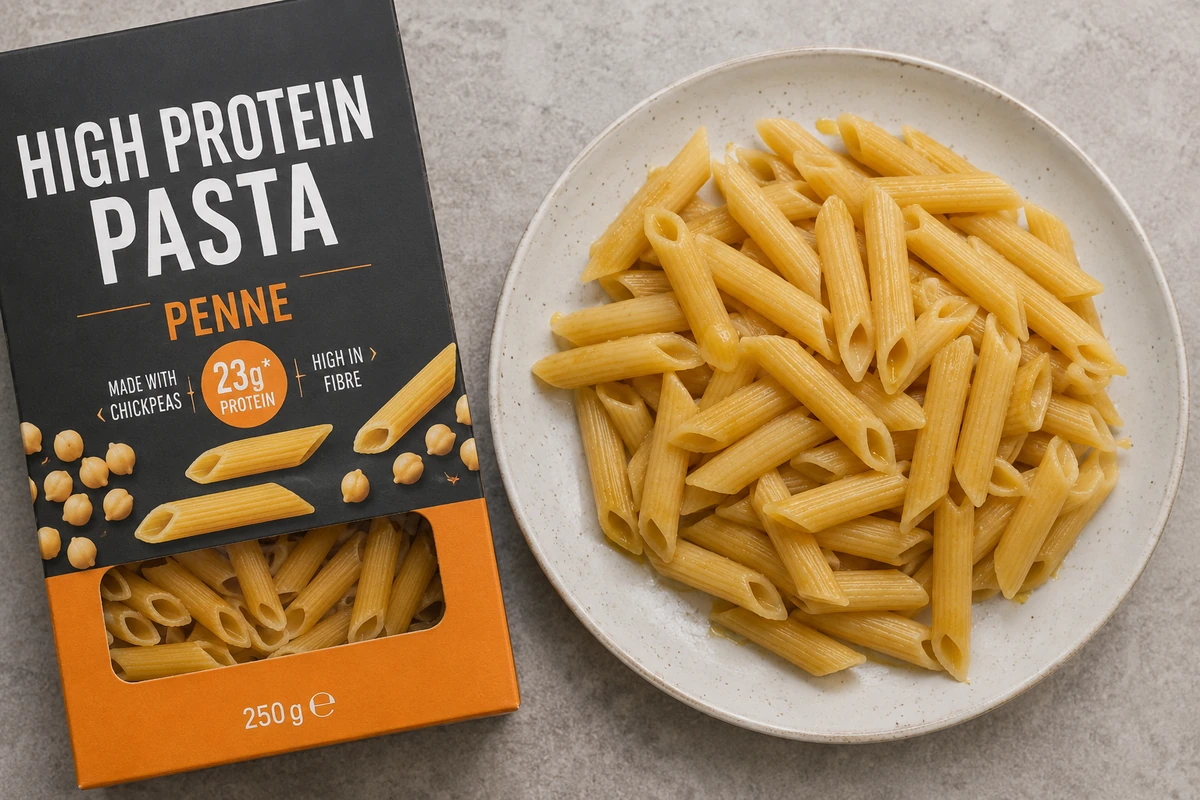
Not every box that says protein on the front actually earns the title, and the marketing can run ahead of the nutrition. The only number that matters is grams of protein per serving on the Nutrition Facts panel, and you have to check the serving size next to it, because some brands quote a small 1.5-ounce serving to make the rest of the label look leaner. Standardize your comparison to a 2-ounce dry serving and the picture gets honest fast. Look at fiber too, since a high fiber number usually rides along with real legume content and signals a genuinely filling pasta rather than a wheat noodle with a sprinkle of added protein. Scan the ingredient list as well: a pure chickpea or red lentil pasta lists little more than the legume flour, while a blend may lead with semolina and add a smaller amount of protein flour further down, which means a more wheat-like texture but a smaller protein bump. Watch for added gums and starches, which can push the texture toward gummy. The cleanest high protein pastas tend to have the shortest ingredient lists. Bon Appetit has covered the rise of legume and lupini pastas and how to read these labels at Bon Appetit, and the guidance lines up: trust the per-serving grams, not the front of the box.
One more label trap is the word complete. Plant proteins from a single legume are not always complete proteins on their own, meaning they may run low in one or two essential amino acids. In practice this rarely matters, because a normal mixed diet fills the gaps and many pasta dishes already add cheese, meat, or other proteins that round out the profile. But if a legume pasta is your main protein source meal after meal, pairing it with a complementary protein (a little dairy, egg, or a grain) over the course of the day covers all the bases without any fuss.
Who Should Reach for High Protein Pasta
High protein pasta is not a universal upgrade; it is a tool for specific goals. It shines for anyone trying to hit a daily protein target without eating more meat, for vegetarians and vegans who want plant protein in a familiar format (legume pasta is naturally meat-free and usually gluten free), for people managing blood sugar, since the extra protein and fiber slow digestion, and for anyone who wants to feel full longer on a similar calorie load. It is less necessary if you already build protein-rich sauces, in which case ordinary pasta plus good toppings does the job at lower cost and with better texture. It is also worth a caution for sensitive stomachs: the high fiber in legume pasta can cause bloating if you are not used to it, so ramp up gradually. America’s Test Kitchen has tested legume and protein pastas in depth at America’s Test Kitchen, and the practical takeaway is to match the product to your goal rather than assuming more protein is always better.
Gluten Free and High Protein Together
One quiet advantage of legume-based high protein pasta is that nearly all of it is also gluten free, since chickpeas, lentils, peas, and edamame contain no wheat. That makes a single box serve two needs at once for people who are both watching protein and avoiding gluten. The lupini-fortified pastas are the exception, because they are built on a wheat-semolina base and do contain gluten, so read the label if gluten matters to you. If you need gluten free but do not specifically need the protein boost, you have more texture options, including rice-and-corn blends that eat closer to wheat. Our full gluten free pasta guide covers those bases and how to cook them, and the cooking rules for legume pasta above apply directly to the legume gluten free options as well.
FAQ
What is the highest protein pasta?
Edamame and pure green-pea pastas top the chart, often delivering 20 to 24 grams of protein per 2-ounce serving, roughly three times wheat pasta. They also carry the most beany flavor and can soften quickly, so they suit bold sauces and need careful timing in the pot.
Is chickpea pasta actually healthy?
Yes, for most people. Chickpea pasta delivers about double the protein and several times the fiber of wheat pasta, which makes it more filling and gentler on blood sugar. The main caveats are the earthy flavor and that the high fiber can cause bloating until your gut adjusts, so introduce it gradually.
How do I cook high protein pasta without it getting mushy?
Use plenty of water, skim the heavy foam, and start tasting 2 minutes before the box time. Legume pasta cooks fast and the window between firm and mushy is short. Pull it tender-firm, reserve some cooking water, sauce it immediately, and undercook further if it will finish in a hot sauce.
Can I make regular pasta high protein?
Easily. Add a lean protein like chicken, shrimp, or sausage, stir in beans or lentils, blend cottage cheese into the sauce, or use a meat ragu. Combining two or three of these can turn an ordinary wheat-pasta plate into a 40-gram-protein meal without a special box.
Is high protein pasta good for weight loss?
It can help. The extra protein and fiber keep you full longer on a similar calorie count, which supports portion control. It is not magic, since calories still matter, but swapping in a legume pasta or building protein into the sauce makes a pasta meal more satisfying and steadier on blood sugar.
Does high protein pasta taste different?
Yes. Chickpea and pea pastas taste earthy and beany with a slightly rougher surface; lentil is milder; lupini-fortified wheat is closest to regular pasta. Bold tomato, pesto, and meat sauces complement the legume flavor, while delicate butter sauces leave it exposed. Choose the sauce to match the base.
Is high protein pasta worth the higher price?
It depends on your goal. If you want plant protein and fiber built into the noodle, especially as a vegetarian or someone managing blood sugar, the extra cost buys real nutrition. If you already make protein-rich sauces, ordinary pasta plus good toppings reaches the same place for less money and with a more familiar texture.
Bottom Line
High protein pasta works two ways, and the best plates use both. Reach for a legume box (chickpea, lentil, pea, or edamame) when you want the protein and fiber built in, cook it with a short timer and plenty of water so it stays firm, and pair it with a bold sauce that complements the earthy flavor. Or keep the pasta you love and stack protein around it with meat, beans, eggs, or a cottage-cheese sauce. Either path turns a starchy bowl into a meal that keeps you full, supports your protein goals, and still tastes like dinner rather than a compromise.