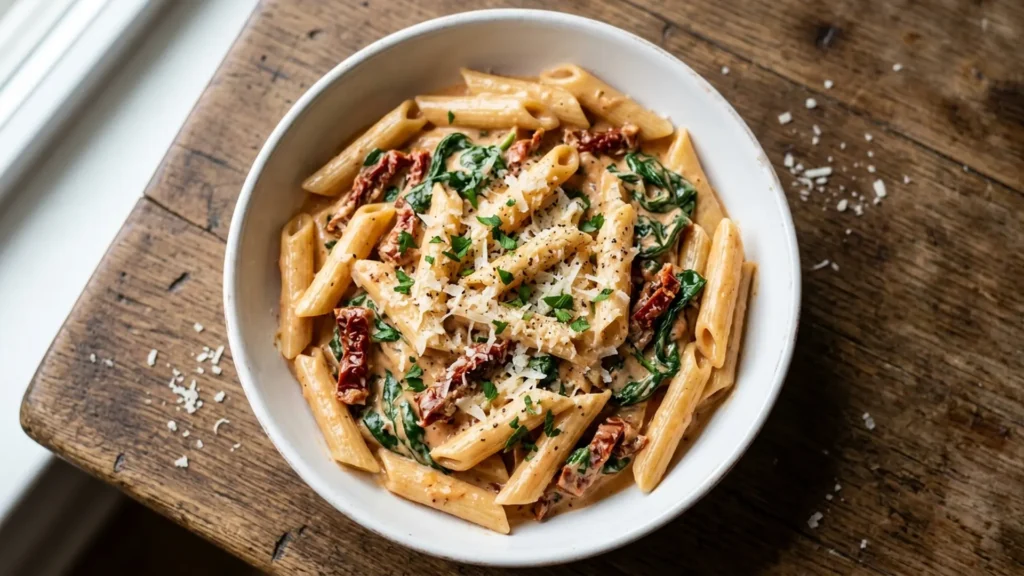
Sun dried tomato pasta is one of those dishes that lives or dies on a single decision most recipes skip right past: which jar or pouch of tomatoes you reach for, and what you do with them before they ever touch a pan. This dish can be made with oil-packed tomatoes, dry-packed tomatoes, julienne strips, whole halves, or the cheap supermarket bags, and the gap between a sauce that tastes deep and round and one that tastes sharp and one-note comes down to a handful of small moves. This guide is not a single recipe to memorize. It is the full map: how to pick the right tomatoes, how to coax the most flavor out of them, how to build a sauce that clings instead of sliding off, which pasta shapes carry it best, and how to fix the three problems that ruin this dish most often.
The reason sun dried tomato pasta gets botched so frequently is that the tomatoes are doing two jobs at once. They are both the headline flavor and a concentrated bundle of salt, acid, and sweetness that can tip the whole pan out of balance if you do not account for it. Treat them like a seasoning as much as an ingredient and the dish falls into line. Treat them like an afterthought you stir in at the end and you get scattered, leathery bites floating in a sauce that tastes of nothing in particular. Everything below is built to keep you on the right side of that line.
Oil-Packed Versus Dry-Packed Sun Dried Tomatoes
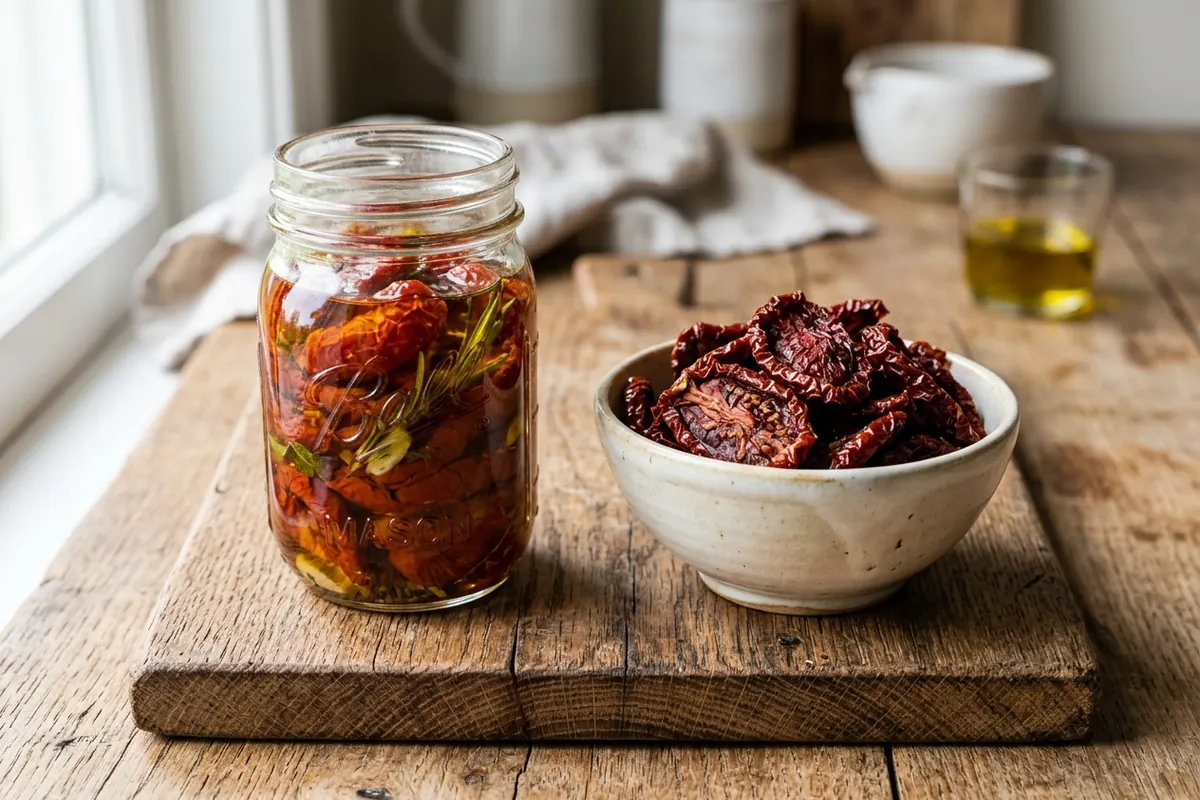
The first fork in the road is the kind of tomato you buy, and the two main types behave so differently that they are almost separate ingredients. Oil-packed sun dried tomatoes come submerged in oil, often with herbs and garlic, and they are soft, pliable, and ready to use straight from the jar. Dry-packed tomatoes come in a bag or pouch with no oil, and they are firm, chewy, and sometimes brittle. Both start from the same place, ripe tomatoes dried until they lose almost all their water, which is why they taste so concentrated and a little sweet. You cannot swap one for the other without changing your method, and most disappointing versions of this dish come from using dry-packed tomatoes as if they were oil-packed.
Oil-packed is the easier and more forgiving choice for pasta. The oil itself is flavored gold: drain a spoonful or two and use it to start your sauce instead of fresh olive oil, and you get a head start on flavor for free. The tomatoes are already supple, so they chop cleanly and melt into a sauce without any soaking. The trade-off is cost and salt, since oil-packed jars are pricier and tend to carry more added sodium, so you will want to hold back on salting the pasta water and the sauce until you taste.
Dry-packed tomatoes are cheaper, keep longer, and let you control exactly what fat and seasoning go into the dish, which matters if you are watching salt or building a vegan version. The catch is that they must be rehydrated or they turn into chewy little shards in the finished plate. The fix is simple and worth doing every time.
How to Rehydrate Dry Sun Dried Tomatoes
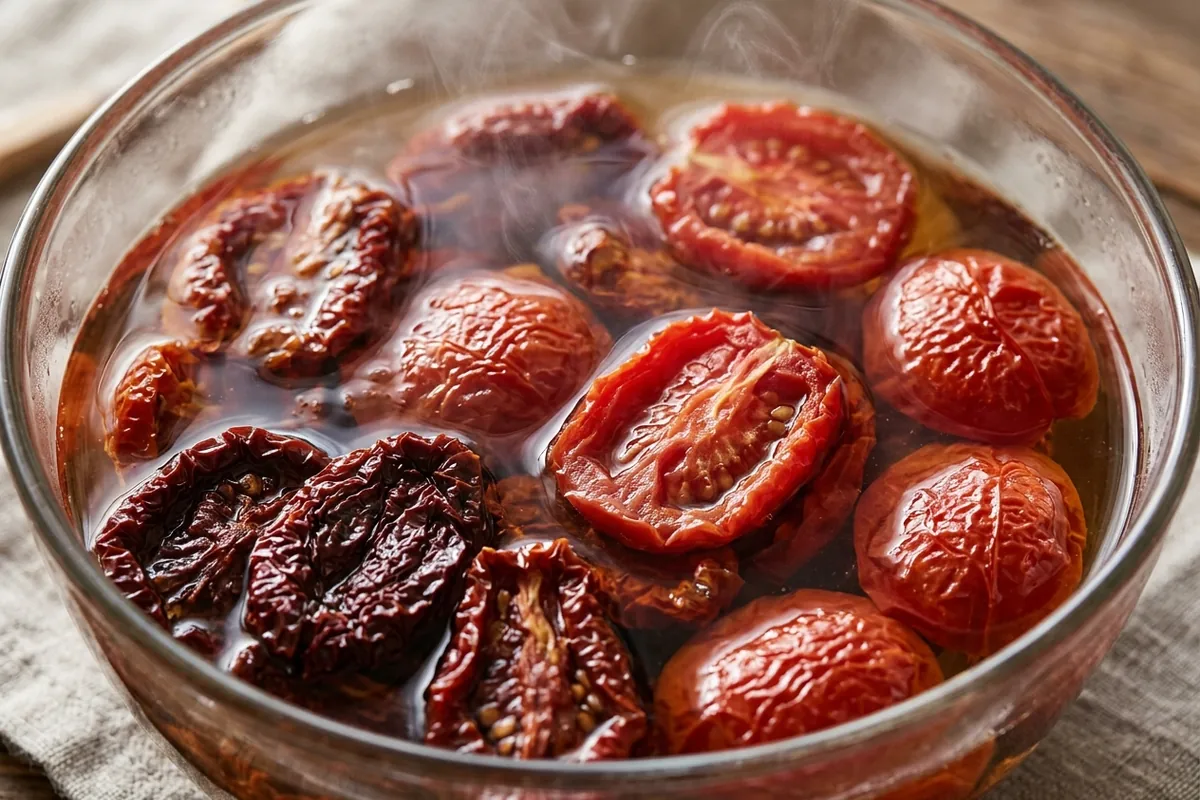
Rehydrating dry-packed tomatoes takes ten to thirty minutes and transforms the dish. The standard method is to cover them with hot or just-boiled water and let them sit until they are soft and pliable, usually twenty to thirty minutes. Drain them well, then slice or chop. They will be plump and tender instead of tough, and they will blend into a sauce the way oil-packed ones do.
There are two upgrades worth knowing. First, soak in warm broth instead of plain water and the tomatoes drink up savory flavor as they soften, which deepens the whole sauce. Second, do not throw away the soaking liquid. It is now an intensely tomato-flavored stock, and a few spoonfuls stirred into the sauce add body and a clean tomato backbone without any extra ingredients. If you are short on time, a quick simmer of the tomatoes in water for five minutes will soften them faster than a cold soak, though a longer soak gives a more even texture.
One small but real difference between the two tomato types is salt and acidity in the finished dish, which is easy to forget until the sauce tastes off. The table below lays out how the two behave so you can adjust before you ever taste a mistake.
| Trait | Oil-packed | Dry-packed |
|---|---|---|
| Texture out of package | Soft, ready to use | Firm, chewy; must rehydrate |
| Prep needed | None, chop and go | Soak 20-30 min in hot water or broth |
| Built-in fat | Yes, use the drained oil | None, you add olive oil |
| Salt level | Higher, salt the dish lightly | You control the salt |
| Cost and shelf life | Pricier, shorter once opened | Cheaper, keeps a long time |
| Best for | Quick weeknight sauces | Vegan or low-salt versions |
Building a Sauce That Actually Clings
A good sun dried tomato sauce is built in layers, and the order matters more than any single ingredient. Start your fat over medium heat, the drained tomato oil if you have it, then bloom aromatics in it: garlic almost always, sometimes shallot, a pinch of chili flake if you like heat. Garlic burns fast and turns bitter, so keep the heat moderate and stop cooking it the moment it smells sweet and nutty, well before it browns hard.
Next come the chopped tomatoes themselves, given a minute or two in the hot fat so their flavor blooms and spreads through the oil rather than staying locked in the pieces. This step is the difference between a sauce that tastes evenly of sun dried tomato and one with sharp bites and bland gaps. From here you choose your direction. For a creamy version, add cream or a plant-based equivalent and let it reduce gently until it coats a spoon. For a brothier, lighter version, deglaze with a splash of pasta water or the reserved soaking liquid and let it tighten. Either way, the single most important tool is the starchy pasta water.
Pasta water is not optional in this dish. The dissolved starch from the cooking water is what binds fat and liquid into a glossy sauce that grips the noodles instead of pooling at the bottom of the bowl. Reserve at least a cup before you drain, finish the pasta in the pan with the sauce, and add the water a splash at a time while tossing hard until the sauce turns silky and clings to every strand. If you remember nothing else from this section, remember to save the pasta water and to finish the pasta in the sauce rather than spooning sauce over drained noodles. That technique is the same engine behind almost every restaurant pasta, and it is covered in more depth in our guide to how to thicken pasta sauce.
Best Pasta Shapes for Sun Dried Tomato Sauce
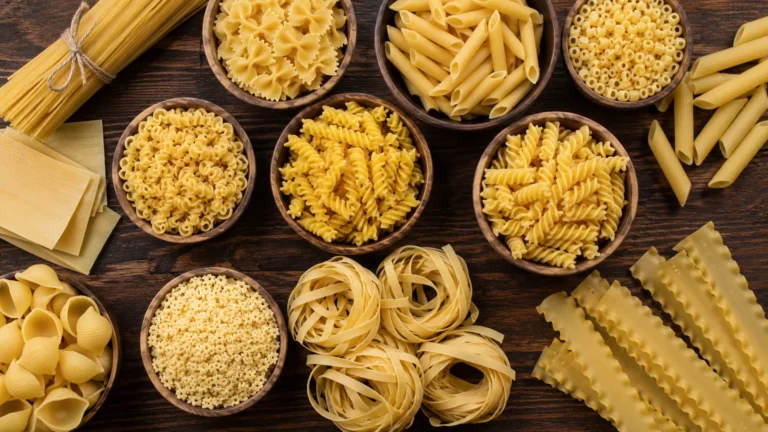
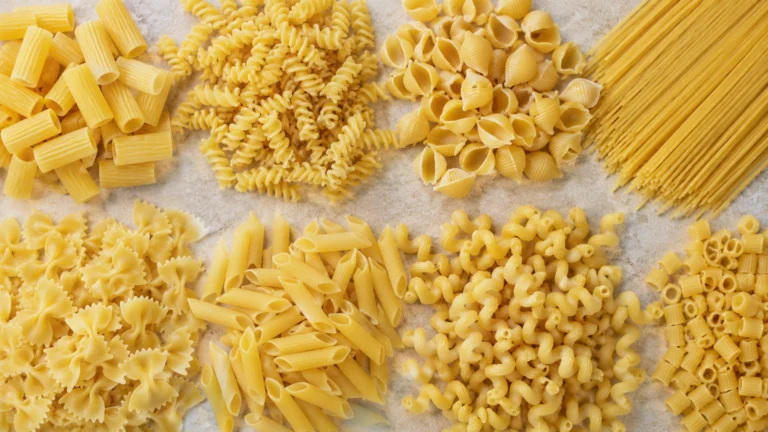
Because this sauce carries small, intense pieces of tomato and usually some clinging cream or oil, it pairs best with shapes that give those bits something to hold onto. Short ridged shapes like penne rigate, rigatoni, and fusilli trap the chopped tomato in their grooves and tubes, so every forkful carries flavor. Twists and spirals like cavatappi and rotini do the same job and feel playful.
Long pasta works too, but choose with the sauce in mind. A creamy sun dried tomato sauce loves fettuccine or linguine, whose flat ribbons hold a clinging coat well. A lighter, oilier version is happy on spaghetti or bucatini. The shape to avoid is anything so smooth and slippery that the tomato pieces slide off and gather at the bottom of the bowl, like plain delicate angel hair, which is better saved for the lightest broth-style sauces. If you want to understand why certain shapes hold certain sauces, our guide to pasta shapes and their best uses breaks down the logic shape by shape.
Add-Ins, Proteins, and Vegetables
Sun dried tomato pasta is a strong base that welcomes additions without losing its identity, as long as you respect the salt and acid the tomatoes already bring. The classic companion is spinach, wilted into the sauce at the end so it keeps a little bite, and it balances the richness with something green and fresh. Toasted pine nuts add crunch and a faint sweetness that echoes the tomatoes. A handful of fresh basil torn in off the heat lifts the whole plate.
For protein, the dish takes well to seared chicken, crisped pancetta or bacon, or shrimp added near the end so it does not overcook. For a meatless but filling plate, white beans or chickpeas stirred in turn it into a one-bowl meal, and they soak up the sauce nicely. Cheese is a natural fit: a finishing shower of grated Parmesan or Pecorino adds salt and umami, so taste before you add more salt elsewhere. If you are cooking for a plant-based table, the dish adapts cleanly with a cashew or oat cream and nutritional yeast in place of dairy, and you can find a full template for that approach over at these vegan pasta recipes. For the sauce side specifically, the marinara and cream families that pair with sun dried tomatoes are mapped out in detail among these Italian sauces.
Storage, Make-Ahead, and Reheating
Sun dried tomato pasta keeps well, which makes it a strong candidate for meal prep. Cooked and sauced, it holds in the refrigerator for three to four days in an airtight container. The sauce, especially a creamy one, will thicken and the pasta will drink up some of the liquid as it sits, so it always looks drier the next day than it did fresh.
That is exactly why reheating technique matters. The fix for next-day dryness is the same one that built the sauce in the first place: a splash of water, broth, or even a little extra cream, added as you warm it gently on the stovetop or in short bursts in the microwave with a cover. Stir and add liquid until the sauce loosens back to a glossy coat. You can also make the sauce ahead and store it separately from the pasta, then combine and finish with pasta water when you cook the noodles fresh, which gives the best texture of all. The general rules for warming leftovers without turning them rubbery are worth reading in full in our guide to reheating pasta the right way, and because this sauce often carries dairy or cooked protein, keep an eye on food safety: warm it through properly and do not leave it sitting in the temperature danger zone for more than a couple of hours.
Three Common Problems and How to Fix Them
The first problem is leathery, chewy tomato bits, and it almost always means you used dry-packed tomatoes without rehydrating them, or you chopped them too coarsely. The fix going forward is to soak dry-packed tomatoes until soft and to chop them fairly fine so they integrate. If the dish is already plated and chewy, there is not much to do but note it for next time.
The second problem is a sauce that tastes sharp or sour. Sun dried tomatoes are concentrated and acidic, and a sauce can tip out of balance if there is nothing to round it. The fix is a small counterweight: a pinch of sugar, a splash of cream, or a knob of butter swirled in off the heat softens the acidity and pulls the flavors together. The third problem is the most common of all, a sauce that slides off the pasta and leaves dry noodles in a watery pool. That is a binding failure, and the cure is starchy pasta water plus finishing the pasta in the pan, tossing hard until the sauce emulsifies and clings. Master those two habits and this dish becomes reliable.
Buying Sun Dried Tomatoes and Storing the Jar
A little care at the store pays off in the pan. With oil-packed jars, look for tomatoes packed in olive oil rather than a cheaper blended seed oil, since that oil becomes part of your sauce and you want it to taste good. Julienne-cut oil-packed tomatoes save you knife work because they are already in thin strips ready to scatter through a dish, while whole halves give you more control over the final size. Check the salt on the label if you are watching sodium, because oil-packed versions vary a lot from brand to brand.
With dry-packed tomatoes, the bag should hold pieces that are pliable rather than rock hard and cracking, since extremely brittle tomatoes are older and take longer to rehydrate. Once you open an oil-packed jar, keep it in the refrigerator with the tomatoes submerged under the oil, which protects them, and use it within a couple of weeks. If the oil solidifies and turns cloudy in the cold, that is normal; it clears as it warms to room temperature. Dry-packed tomatoes keep for months in a sealed container in a cool, dark cupboard, which is part of why they are such a useful pantry staple for a fast, deeply flavored pasta on a night when the fridge is bare. Either way, a single jar or bag stretches across many meals, since a little goes a long way.
Bottom Line
Sun dried tomato pasta is a weeknight powerhouse once you stop treating the tomatoes as a garnish and start treating them as the engine of the dish. Pick oil-packed for speed or dry-packed for control, rehydrate the dry ones, bloom the tomatoes in fat, and bind everything with starchy pasta water finished in the pan. Match the sauce to a shape that can hold it, balance the natural acidity with a touch of cream, butter, or sugar, and add a real protein or a handful of beans if you want a full meal. Get those moves right and this becomes one of the most reliable, flavor-dense dishes in your rotation, equally good fresh tonight and reheated for lunch tomorrow.
FAQ
Do you need to soak sun dried tomatoes before adding them to pasta?
It depends on the type. Oil-packed sun dried tomatoes are already soft and need no soaking, so you can chop and use them straight from the jar. Dry-packed tomatoes are firm and should be rehydrated in hot water or broth for twenty to thirty minutes until pliable, or they stay chewy in the finished dish. Save the soaking liquid to add tomato flavor and body to the sauce.
What is the best pasta shape for sun dried tomato pasta?
Ridged short shapes like penne rigate, rigatoni, and fusilli are ideal because their grooves trap the chopped tomato and cling to a creamy sauce. Spirals like cavatappi and rotini work just as well. For a creamy version, flat ribbons like fettuccine and linguine are excellent. Avoid very smooth, delicate shapes like plain angel hair, which let the tomato pieces slide off.
How long does sun dried tomato pasta last in the fridge?
Cooked and sauced, it keeps for three to four days in an airtight container in the refrigerator. The pasta will absorb sauce and look drier over time, so reheat it gently with a splash of water, broth, or cream to bring the glossy coat back. For the best texture, store the sauce separately and combine it with freshly cooked pasta when you serve.
Can you make sun dried tomato pasta vegan?
Yes, and it adapts cleanly. Use dry-packed tomatoes so you control the fat, start the sauce in olive oil, and build creaminess with cashew cream, oat cream, or a splash of the starchy pasta water instead of dairy. Nutritional yeast adds a cheesy, savory note in place of Parmesan. White beans or chickpeas turn it into a complete plant-based meal.