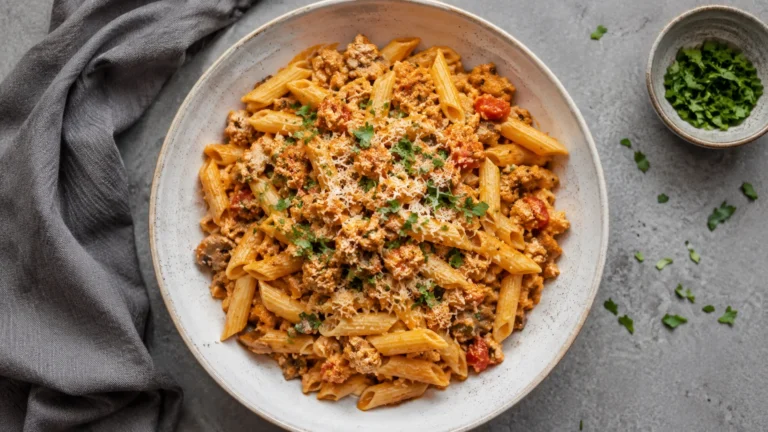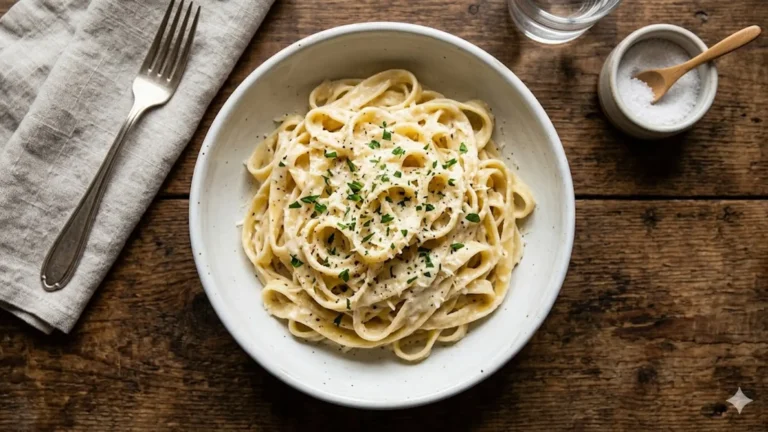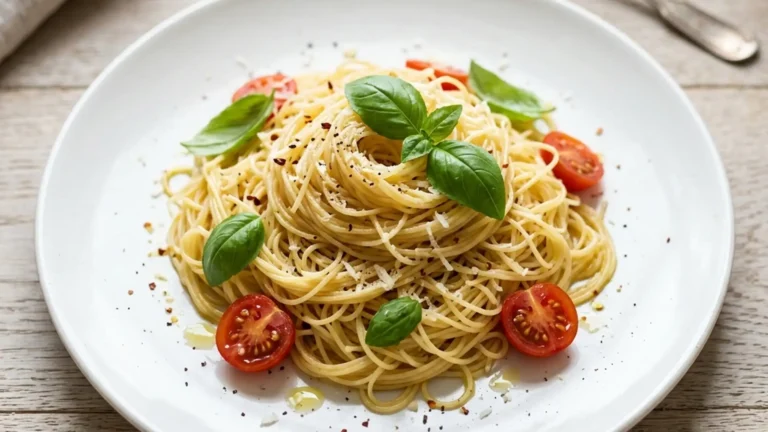
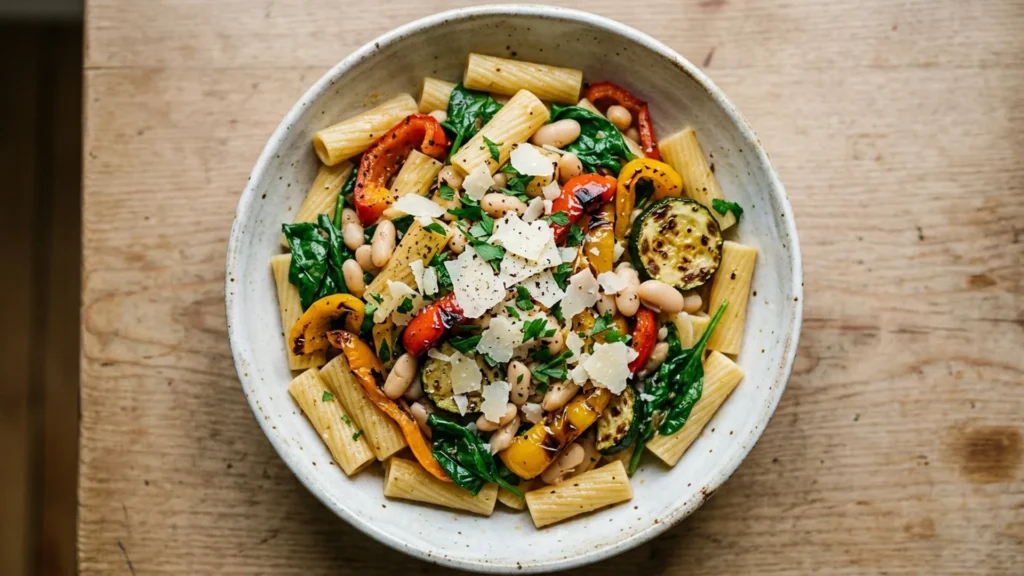
Vegetarian dishes pasta searches usually come from someone staring at a box of noodles and a half-empty crisper drawer, and these dishes have a reputation problem. Too many of them are plain noodles with a jar of sauce, or a sad pile of steamed vegetables that leaves you hungry an hour later. The question that actually matters here is not what to leave out but what to put in: how to build a meatless pasta dish that tastes complete, satisfies like a real meal, and does not lean on a wall of cheese to do it. This guide is the framework. It covers the difference between vegetarian and vegan pasta, the building blocks that make a meatless plate feel finished, the protein and umami sources that replace meat, the techniques that keep vegetables from going limp and watery, and a set of reliable dish patterns you can riff on forever.
The reason meatless pasta so often disappoints is that meat was quietly doing three jobs in the original dish: providing protein, adding savory depth, and giving the plate a sense of substance. Pull it out without replacing those three things and the dish collapses into a side rather than a meal. The whole skill of cooking good vegetarian pasta is learning to fill those three roles with plants, which is entirely doable once you know where the depth and the protein come from. Everything below is organized around that idea.
Vegetarian Versus Vegan Pasta: Know the Difference
Before anything else, it helps to be clear about what vegetarian means here, because the word covers a spectrum. Most vegetarian cooking is lacto-ovo, meaning it includes dairy and eggs but no meat, poultry, or fish. That distinction matters enormously for pasta, because cheese, butter, cream, and egg are all on the table and they are powerful tools for richness and depth. A vegetarian who eats dairy has an easy path to satisfying pasta through Parmesan, ricotta, mozzarella, and cream.
Vegan pasta goes a step further and excludes all animal products, including dairy and eggs, which removes the easiest sources of richness and forces more creativity. The two are not the same dish with one swap, since a vegan version has to rebuild creaminess and umami from plants like cashews, nutritional yeast, and miso. This guide focuses on lacto-ovo vegetarian pasta but flags vegan paths along the way, and if you are cooking fully plant-based, a dedicated collection of vegan pasta dishes will serve you better than adapting on the fly. The broader map of vegetarian diet types, from lacto-ovo to pescetarian, is worth a glance if you cook for people with different rules.
The Three Jobs Meat Was Doing, and How to Replace Them
Building a satisfying meatless pasta is mostly about consciously filling the three roles meat used to play. The first is protein, and the strongest plant sources for pasta are legumes. Chickpeas and white beans stirred into a sauce add body and staying power, lentils make a famously convincing bolognese, and even the pasta itself can carry protein if you reach for a chickpea or lentil-based shape. For lacto-ovo cooks, eggs and cheese add protein too, which is why a carbonara-style dish or a baked cheesy pasta feels so substantial.
The second job is savory depth, the umami that meat provides, and this is where most meatless pasta falls flat. The fix is to lean hard on naturally umami-rich plants: mushrooms, which brown deeply and taste almost meaty when cooked properly; tomato paste cooked until it darkens; sun dried tomatoes; roasted garlic; miso; soy sauce; and a hard aged cheese like Parmesan if you eat dairy, or nutritional yeast if you do not. The third job is substance, the sense that you ate a meal, and that comes from combining a real protein source with enough vegetables and a sauce that clings. Hit all three and no one misses the meat.
Vegetables That Carry a Pasta Dish
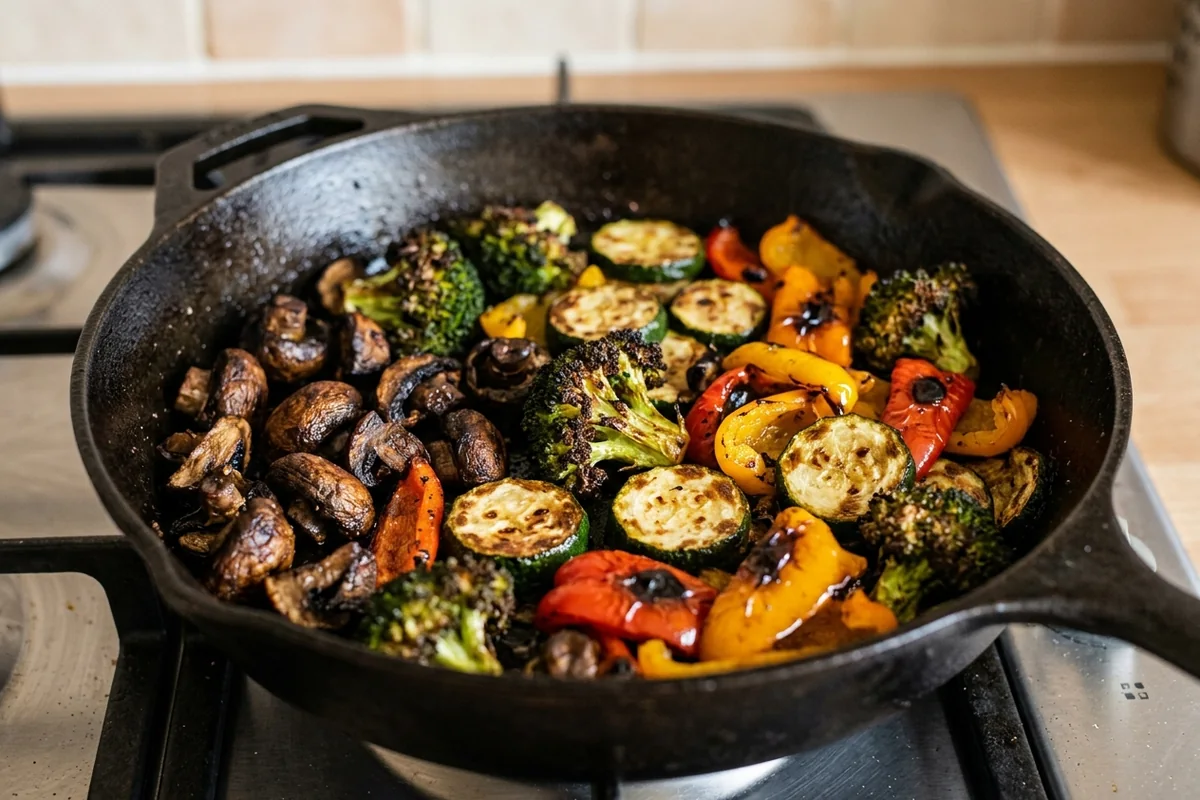
Not all vegetables pull their weight in pasta, and choosing the right ones, then cooking them properly, is what separates a hearty dish from a watery one. The standouts are vegetables with their own depth or substance. Mushrooms are the single most valuable, because a good hard sear turns them savory and meaty. Roasted vegetables in general, broccoli, cauliflower, zucchini, eggplant, cherry tomatoes, and peppers, develop concentrated, caramelized flavor that steamed versions never reach, and roasting drives off the water that would otherwise dilute your sauce.
Hearty greens like kale and spinach add color, nutrition, and a little body when wilted into the sauce at the end. Eggplant, roasted or fried until creamy, is substantial enough to anchor a dish on its own, as in a classic pasta alla Norma. The technique lesson that runs through all of this is to cook the water out of your vegetables before they meet the pasta. The most common mistake in vegetarian pasta is dumping raw or steamed vegetables into the pan, where they release liquid and turn the sauce thin and pale. Roast, sear, or saute until the moisture is gone and the edges brown, and your vegetables become flavor instead of dilution.
Beans, Lentils, and Plant Proteins That Make It a Meal
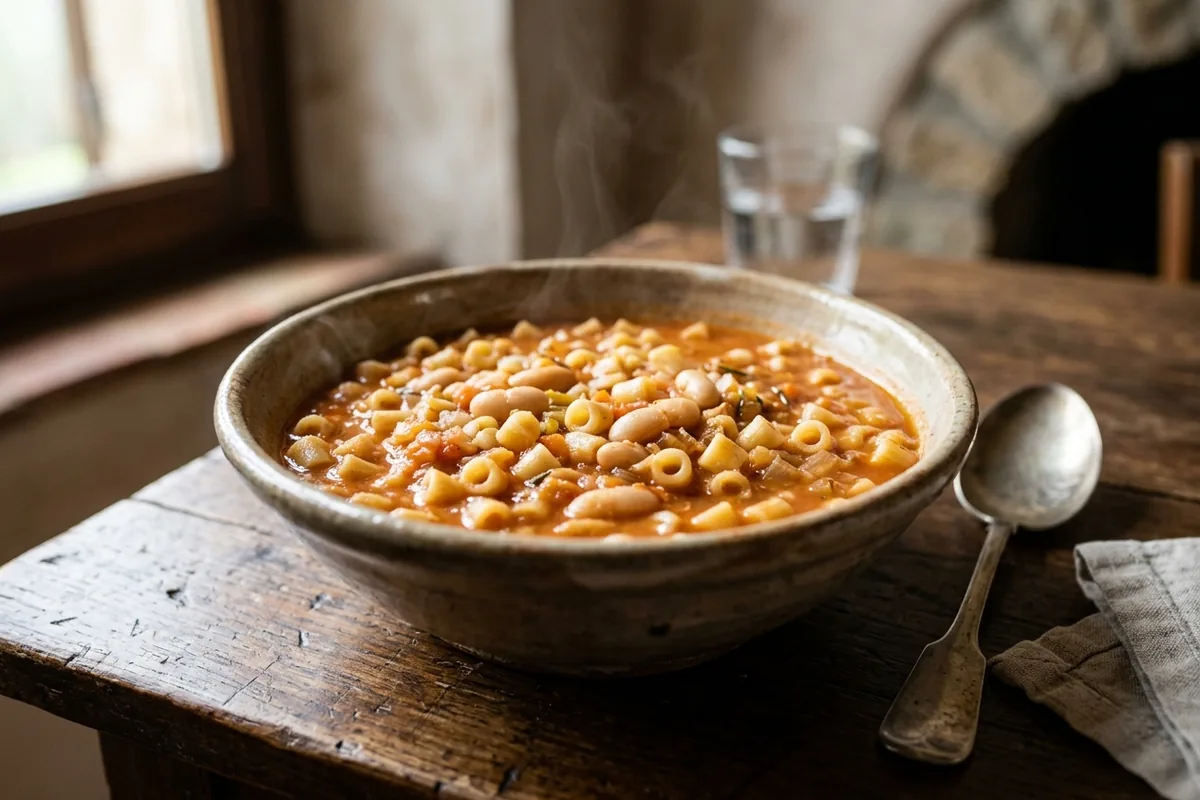
The fastest way to turn a vegetable pasta from a side into a dinner is to add a real protein, and legumes are the workhorses. Pasta e fagioli, the traditional Italian pasta and bean dish, and its chickpea cousin pasta e ceci are centuries-old proof that beans and pasta together make a complete, satisfying meal with deep savory flavor and almost no effort. Stir a can of drained chickpeas or cannellini beans into a garlicky tomato or oil base and you have substance instantly.
Tofu and tempeh are worth a mention for cooks comfortable with them, since both soak up sauce and add protein, though they suit Asian-leaning noodle dishes more naturally than classic Italian pasta. Crumbled and browned firm tofu can stand in for ground meat in a quick pasta sauce, and tempeh, with its firmer, nuttier bite, holds up well in a hearty tomato base. The key with either is to brown it hard first so it develops flavor and a little texture rather than going in pale and soft. Walnuts and other nuts, toasted and chopped, are another quietly effective trick: they add richness, crunch, and a savory depth that reads as substantial, which is why a walnut pesto or a scattering of toasted nuts over a vegetable pasta makes the plate feel more complete than vegetables alone ever could.
Lentils deserve special mention because they make the most convincing meatless ragu. Cooked down with soffritto, tomato, and a long simmer, brown or green lentils take on a hearty, meaty texture that fools skeptics and clings to wide noodles like pappardelle. For protein without legumes, lacto-ovo cooks can use ricotta and Parmesan, which bring both protein and richness, while a high-protein pasta made from chickpea or lentil flour quietly boosts the numbers without changing the dish, an approach we break down in our guide to high protein pasta. If you want a heartier, soupier direction, the same beans and lentils shine in these vegetable and bean soups, which use the very ingredients that make meatless pasta filling.
Reliable Vegetarian Pasta Patterns to Riff On
Rather than memorize recipes, learn a few patterns and vary them endlessly. The first is the garlic-oil base: olive oil, lots of garlic, chili flake, one or two well-cooked vegetables, pasta water to bind, and a finish of Parmesan or breadcrumbs. Aglio e olio with broccoli or with cherry tomatoes lives here, and it is fast and forgiving. The second is the creamy pattern: a cheese or cream sauce, often built from ricotta loosened with pasta water or a proper bechamel, carrying mushrooms, peas, or spinach. Lemon ricotta pasta and creamy mushroom pasta are this pattern.
The third is the tomato pattern, a good tomato sauce enriched with roasted vegetables, beans, or eggplant, the family that includes pasta alla Norma and pasta e fagioli. The fourth is the baked pattern: pasta layered or tossed with sauce and cheese and baked, like vegetable lasagna or baked ziti with spinach and ricotta, which is the most crowd-pleasing way to feed a group meatless. Each pattern is just a base plus a protein plus a well-cooked vegetable, and the table below lays out a starter version of each so you can see the structure and start improvising.
| Pattern | Base | Add for a meal | Example |
|---|---|---|---|
| Garlic and oil | Olive oil, garlic, chili flake | Roasted broccoli + Parmesan | Aglio e olio with broccoli |
| Creamy | Ricotta or bechamel, pasta water | Mushrooms or peas + spinach | Creamy mushroom pasta |
| Tomato | Good tomato sauce | White beans or roasted eggplant | Pasta alla Norma, pasta e fagioli |
| Baked | Sauce + cheese, then bake | Spinach + ricotta layers | Vegetable lasagna, baked ziti |
Using Cheese and Dairy Without Drowning the Dish
For lacto-ovo cooks, dairy is the easiest path to a satisfying meatless plate, but it is also the easiest thing to overdo. The instinct when a vegetable pasta tastes thin is to dump in more cheese, which gives you a heavy, one-note dish rather than a balanced one. The better move is to use cheese as a seasoning and a thickener rather than a blanket. A hard aged cheese like Parmesan or Pecorino, finely grated and melted into the sauce with pasta water, adds salt, umami, and body all at once, and a modest amount goes a long way.
Ricotta is a quietly powerful tool because it brings creaminess and a little protein without the sharpness of harder cheeses. Loosened with a splash of pasta water and a grating of lemon zest, it makes an instant, light cream sauce that clings to noodles and carries vegetables beautifully. Soft fresh mozzarella melts into pockets of richness in baked dishes. A spoonful of mascarpone or cream cheese rounds out a tomato sauce. The principle across all of them is restraint and integration: melt the dairy into the sauce so it coats every strand, rather than piling it on top where it clumps. Taste as you go, and let acid from lemon or tomato cut the richness so the dish stays bright instead of turning into a gut-bomb.
Global Flavors and Fast Weeknight Ideas
Meatless pasta does not have to be Italian, and stepping outside that tradition keeps the rotation interesting. A peanut or sesame sauce over noodles with crisp vegetables makes a fast, satisfying meal in the spirit of cold sesame noodles. A miso-butter sauce gives an enormous umami payoff with almost no effort, perfect for the nights when you need depth fast. A coconut curry sauce turns pasta into something closer to a noodle bowl, rich and warming. These directions all lean on naturally savory, plant-friendly flavor bases that fill the umami role without any meat.
For the genuinely fast weeknight, keep a few no-cook or low-effort moves in your back pocket. Cherry tomatoes burst in a hot pan with garlic and olive oil make a fresh sauce in the time the pasta boils. Pesto, whether classic basil or a pantry version with whatever herbs and nuts you have, tosses straight through hot pasta with a little reserved water. Frozen peas, canned beans, and jarred roasted peppers are pantry shortcuts that add protein and substance instantly. The skill is the same one this whole guide is built on: start with a base, add a protein, fold in a well-cooked or naturally flavorful vegetable, and bind it with pasta water. Do that and a satisfying meatless dinner is a fifteen-minute proposition on the busiest night.
Make-Ahead, Storage, and Common Mistakes
Vegetarian pasta is excellent for meal prep, particularly the bean and tomato versions, which often taste better the next day as the flavors settle. Sauced dishes keep three to four days in the fridge, and baked pastas reheat especially well. Store the components a little saucier than you would serve them, because pasta keeps drinking up liquid as it sits, and loosen with a splash of water when you reheat.
Three mistakes cause most failures. The first is watery vegetables, fixed by roasting or searing rather than steaming. The second is under-seasoning, since meatless dishes need assertive salt, acid, and umami to taste complete, so taste and adjust aggressively with salt, a squeeze of lemon, and a hit of Parmesan or nutritional yeast. The third is forgetting the protein, which leaves a dish that tastes fine but does not satisfy, fixed by always including beans, lentils, eggs, or cheese in real quantity. Avoid those three and meatless pasta stops being a compromise and becomes food you choose on purpose. The cooks who make great vegetarian pasta are not following some secret recipe; they are simply being deliberate about protein, depth, and texture, and being a little patient with the vegetables so they brown instead of steam. Once those habits become second nature, you stop thinking of these dishes as meat-free versions of something else and start thinking of them as complete meals in their own right, which is exactly what they are. For the binding technique that ties any of these together, our guide to how to thicken pasta sauce covers the pasta-water method that makes every pattern above cling properly.
FAQ
How do I make vegetarian pasta filling enough to be a meal?
The key is to replace the three jobs meat was doing: protein, savory depth, and substance. Add a real plant protein like chickpeas, white beans, or lentils; build umami with mushrooms, tomato paste, roasted garlic, and aged cheese or nutritional yeast; and include enough well-cooked vegetables to give the plate body. A dish with all three feels like a complete dinner rather than a side.
What vegetables work best in pasta dishes?
Vegetables with their own depth or substance carry pasta best: mushrooms seared until meaty, roasted broccoli, cauliflower, zucchini, eggplant, peppers, and cherry tomatoes, plus hearty greens like kale and spinach wilted in at the end. The critical technique is to roast or sear rather than steam, which drives off water that would otherwise thin your sauce and concentrates the flavor.
What is the difference between vegetarian and vegan pasta?
Vegetarian pasta, usually lacto-ovo, includes dairy and eggs but no meat, poultry, or fish, so cheese, cream, butter, and egg are available for richness. Vegan pasta excludes all animal products, including dairy and eggs, so creaminess and umami have to come from plants like cashews, nutritional yeast, and miso. They are not the same dish with one swap, since vegan versions rebuild richness from scratch.
What is the easiest filling vegetarian pasta to make?
Pasta with beans is the easiest filling option. Dishes like pasta e ceci, pasta and chickpeas, or pasta e fagioli, pasta and beans, combine a garlicky tomato or oil base with canned beans for a complete, satisfying meal in minutes. A garlic-oil pasta with roasted broccoli and Parmesan is another fast, reliable choice that needs only a handful of ingredients.