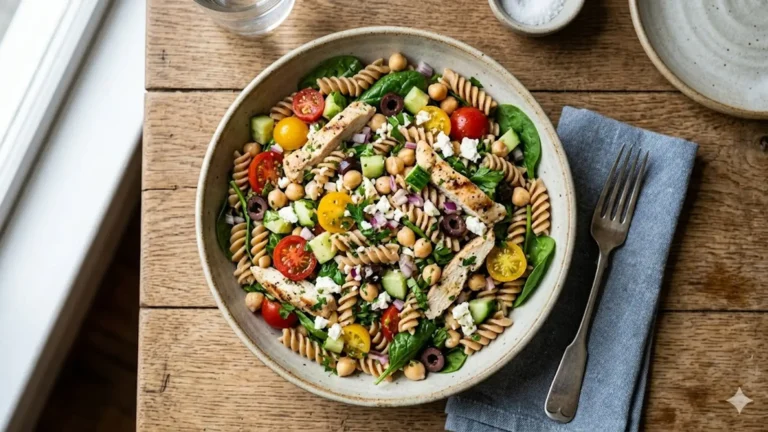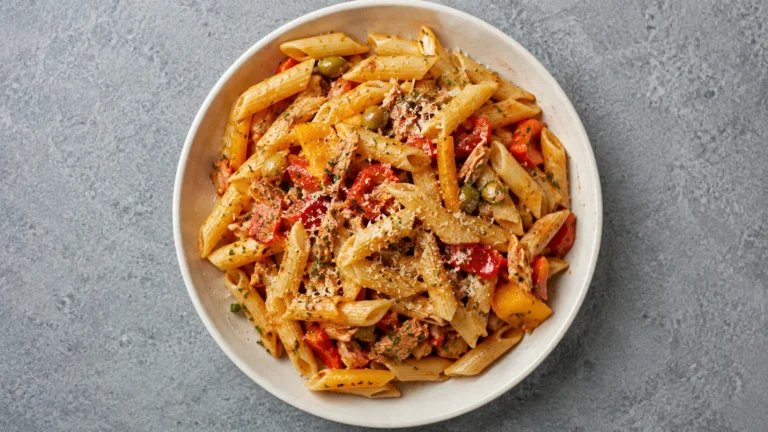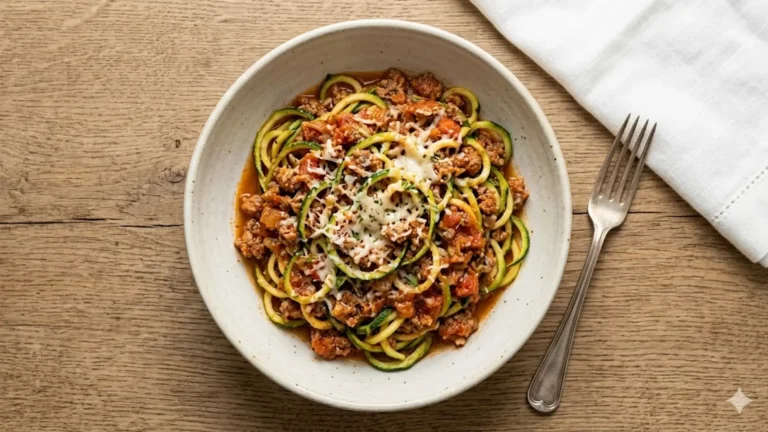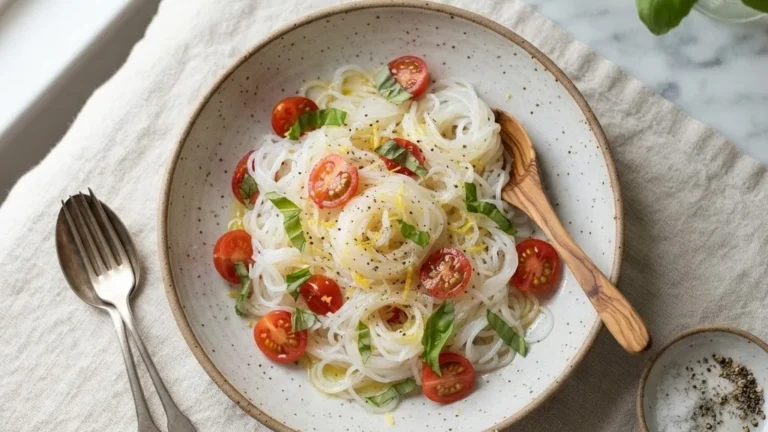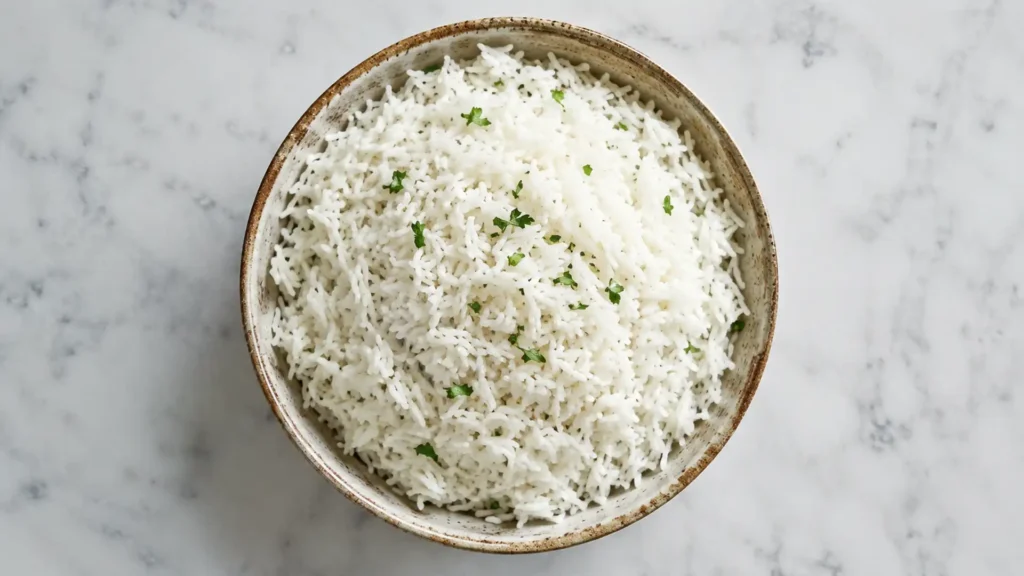
Is rice better than pasta? The honest answer is that neither one wins outright; the better choice depends on the type you buy, how you cook it, what you eat it with, and what you are trying to get out of the meal. Cup for cup the two land remarkably close on calories and carbohydrates, but they diverge in ways that actually matter at the table: pasta carries a little more protein and fiber and digests more slowly, while rice is lighter, easier on sensitive stomachs, and naturally gluten free. Most of the “winner” headlines you see online flatten all of that into a single answer, which is why people end up confused. In this lab guide I lay out the real numbers, the glycemic difference and why al dente matters, the whole-grain versions, the digestion and satiety angle, and a practical framework for choosing one over the other depending on the dish and the goal.
The Numbers Side by Side
Start with the raw nutrition, because the headlines rarely show it cleanly. The figures below are for a typical one-cup cooked serving and will shift a little by brand and exact portion, but the relationships hold.
| Per 1 cup cooked | White rice | White pasta | Brown rice | Whole wheat pasta |
|---|---|---|---|---|
| Calories | 205 | 220 | 215 | 175 |
| Carbs (g) | 45 | 43 | 45 | 37 |
| Protein (g) | 4 | 8 | 5 | 7 |
| Fiber (g) | 0.6 | 2.5 | 3.5 | 6 |
The pattern is clear once you see it laid out. Calories and carbohydrates are nearly a wash between white rice and white pasta. Where pasta pulls ahead is protein, with roughly double the grams of white rice, and that protein helps a meal feel more filling. Fiber is the bigger story: white rice is almost fiber-free, while even white pasta carries a couple of grams, and the whole-grain versions of both climb much higher. So at the white-versus-white level, pasta has a modest edge on protein and fiber. The moment you compare whole-grain options, the question stops being rice versus pasta and becomes refined versus whole, which is the comparison that actually drives health outcomes.
Glycemic Impact and Why Al Dente Matters
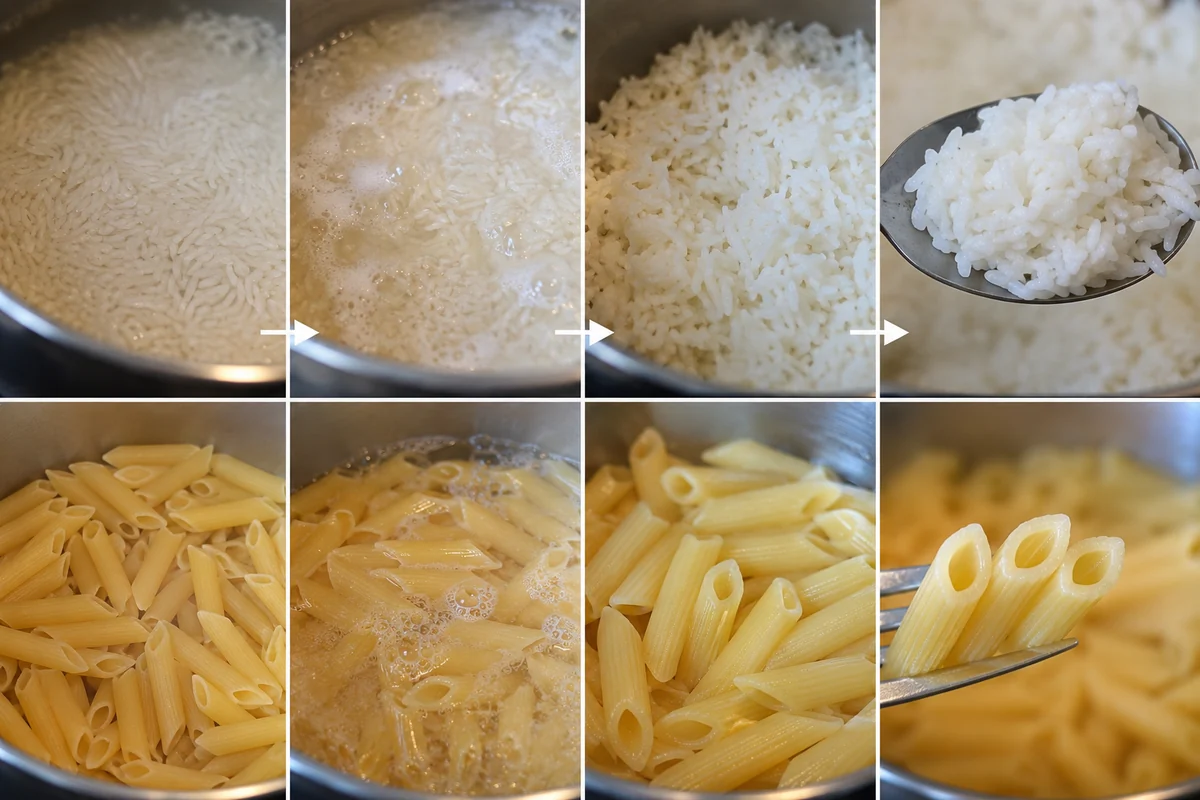
How fast a food raises blood sugar, its glycemic response, is where pasta has its most interesting advantage, and it comes down to structure. Pasta is made from durum wheat pressed into a dense, tight matrix, and that physical density slows how fast digestive enzymes can reach the starch. Rice grains, especially fluffy white rice, break down faster. The result is that pasta, particularly cooked al dente, tends to raise blood sugar more gently and deliver longer-lasting energy than an equal portion of white rice. Overcook the pasta to soft and you lose much of that edge, because the loose, swollen starch digests almost as fast as rice. This is one more reason to cook pasta firm. The same logic that protects texture also keeps the glycemic response in check. If you tend to overshoot the timer, our guide on how pasta holds up and storage habits pairs well with learning to pull it on time. For the cooking method itself and a deeper look at firmness, our broader notes on the category of pasta cover how density shapes the eating experience.
The Resistant Starch Trick That Helps Both
There is a kitchen move that improves either food: cook it, chill it, and then eat it cold or reheated. When cooked rice or pasta cools, some of its digestible starch reorganizes into resistant starch, a form the small intestine cannot fully break down. Resistant starch behaves more like fiber, feeding gut bacteria, blunting the blood sugar spike, and lowering the effective calorie load slightly. This is exactly why day-old rice in fried rice and chilled pasta in a pasta salad are gentler on blood sugar than the same food fresh and hot. Reheating does not undo the effect; much of the resistant starch survives a second warming. So if blood sugar management is your aim, cooking a batch ahead and serving it cooled is a free upgrade for both rice and pasta, and it tilts the rice-versus-pasta question toward whichever one you would rather eat that way. America’s Test Kitchen has tested resistant-starch behavior in starchy foods at America’s Test Kitchen, and the cook-chill-reheat pattern holds up.
Digestion, Gut Comfort, and Gluten
Rice has a real edge for sensitive stomachs. White rice is low in fiber and free of gluten, which makes it one of the most gentle, low-residue foods around. That is why it shows up in recovery diets after stomach upset and why people with gluten sensitivity or celiac disease lean on it. Pasta, made from wheat, contains gluten unless you specifically buy a gluten free box, and its higher fiber can feel heavier on a delicate gut. If you are choosing for comfort during illness or you avoid gluten, plain white rice is the easier food. For everyday eating in a healthy gut, the higher fiber of pasta is an asset rather than a problem, since fiber supports digestion and fullness over the long run. Anyone going wheat-free does not have to give up the pasta experience either; a good gluten free pasta closes most of the gap while keeping the slow-digesting structure that makes pasta filling.
Satiety: Which One Keeps You Full Longer?
Feeling full is about more than calories, and here pasta usually has the advantage at the white-versus-white level. Its extra protein and fiber, plus the slower digestion from its dense structure, tend to keep hunger away longer than a bowl of fluffy white rice that digests fast and can leave you reaching for more sooner. That said, the gap closes or reverses depending on what you add. A bowl of rice piled with beans, vegetables, and a protein can easily out-satisfy a plate of plain buttered pasta. The base food sets a baseline, but the toppings and the total meal do most of the work. If staying full on fewer calories is your goal, lean toward whole wheat pasta or brown rice, both of which bring more fiber and a steadier release of energy than their white versions.
Cost, Shelf Life, and Convenience
Practical economics rarely make the health headlines, but they shape what people actually eat. Both white rice and dried pasta are cheap, with rice often the lower cost per cooked cup when bought in bulk, and both keep for a year or more sealed in a cool, dry pantry, which makes them reliable staples for batch cooking. Pasta cooks faster than most rice, an advantage on a busy weeknight, while a rice cooker makes rice nearly hands-off if you do not mind the longer time. Leftovers behave differently: cooked pasta firms up and can clump in the fridge but loosens with a splash of water or sauce when reheated, while cooked rice reheats cleanly and is the backbone of fried rice and grain bowls. For meal prep, both hold three to five days refrigerated, and as noted earlier, that chill time quietly builds resistant starch in either one. If convenience and budget are your tiebreakers, the two are close, with rice edging ahead on cost and pasta on speed.
Cooking, Versatility, and Flavor
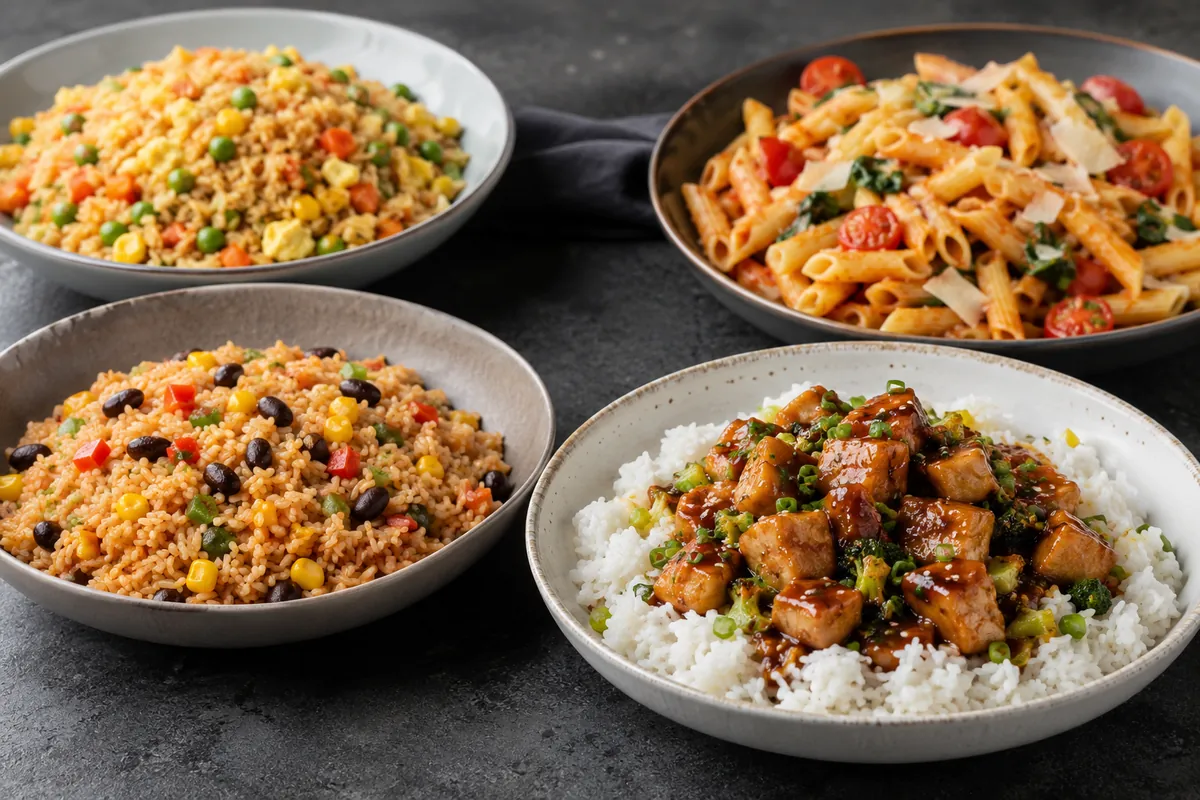
Practical kitchen factors matter too. Rice is the more flexible base across cuisines, sliding into stir-fries, curries, bowls, stuffed peppers, and sushi, and it reheats cleanly. Pasta is faster to cook than most rice (8 to 12 minutes versus 15 to 45 for brown rice), holds sauce in a way rice cannot, and forms the backbone of an entire cuisine of its own. Flavor-wise, rice is a neutral canvas that takes on whatever you cook it with, while pasta has a subtle wheat flavor and a chew that is part of the pleasure. Neither is harder to keep on the shelf; both are pantry staples that store for a long time when sealed. The choice often comes down to the dish you are building: a saucy Italian dinner calls for pasta, a stir-fry or curry calls for rice, and a cold lunch salad could go either way. Texture is part of this too. Rice gives you separate, tender grains that scatter and soak, while pasta gives you a continuous chew that carries sauce across the whole bite. Those are different eating experiences, and the dish you are aiming for usually points clearly to one or the other. When you genuinely do not care which, fall back on whichever whole-grain version you have on hand, since that decision does more for the meal than the rice-or-pasta question itself.
Micronutrients and What Else Is in the Bowl
Calories and macros get the attention, but the micronutrient picture adds another layer. Enriched white pasta and enriched white rice are both fortified with B vitamins and iron in the United States, so on those they run similar. Where they pull apart is the whole-grain versions. Brown rice carries a notable amount of magnesium, manganese, and selenium, minerals tied to energy metabolism and antioxidant function that get stripped out when rice is polished to white. Whole wheat pasta brings its own load of magnesium, zinc, and more B vitamins than refined pasta, plus the bran fiber that white durum loses. So if you are eating for nutrient density rather than just calories, the whole-grain version of either food is the clear step up, and the gap between brown rice and whole wheat pasta on these minerals is small enough that personal preference can decide it. The least nutrient-dense choice of the four common options is plain white rice, which is why pairing it with beans, vegetables, and a protein matters so much; rice is a base that needs help, while pasta brings a little more to the bowl on its own.
It is also worth remembering that very little of either food is eaten plain. The sauce, the oil, the cheese, the meat or beans, and the vegetables you add usually swamp the difference between the two starches. A cream-and-cheese pasta and a coconut-curry rice can both land heavy, while a tomato-and-vegetable pasta and a brothy vegetable rice bowl can both land light. When you are weighing whether rice or pasta is the healthier pick for a given meal, look at the whole plate first. The base is rarely the part that decides whether the meal is balanced.
Common Myths Worth Clearing Up
A few stubborn beliefs cloud the rice-versus-pasta debate. The first is that pasta is fattening while rice is light; in reality their calories per serving are within about 15 of each other, and portion size and toppings drive intake far more than the choice of base. The second is that rice is always the safer carb for blood sugar; the opposite is often true for al dente pasta, whose dense structure slows digestion. The third is that gluten free automatically means healthier, which it does not, since a plain rice-flour gluten free pasta can be lower in fiber and protein than ordinary whole wheat pasta. Gluten free matters for people who need it medically, not as a blanket health upgrade. Clearing these up makes the real decision easier: it is about the version (whole versus refined), the cooking (firm versus soft), and the rest of the plate, not a simple winner between two pantry staples. Cook’s Illustrated has published careful tasting and nutrition work on both grains and pasta at Cook’s Illustrated that backs up how much cooking method and form change the result.
So When Should You Choose Each?
Here is the framework I use rather than crowning a single winner. Choose pasta when you want a more filling, slower-digesting base, when a sauce is central to the dish, or when you want a bit more protein and fiber from a white starch; cook it al dente to keep those benefits. Choose rice when you need a gluten free or gentle-on-the-stomach option, when the cuisine calls for it (stir-fry, curry, sushi, bowls), or when you want a neutral base that lets other ingredients lead. For either one, the single biggest health upgrade is going whole grain: brown rice or whole wheat pasta both bring far more fiber than their refined versions, and that fiber difference outweighs almost everything in the rice-versus-pasta debate. Portion size and what you put on top matter more than the base itself, so a sensible serving of either, built into a balanced plate, fits a healthy diet.
FAQ
Is rice or pasta better for weight loss?
Neither is clearly better, since calories per serving are close. Pasta’s extra protein and fiber and slower digestion can keep you full longer, which helps with portion control, but a sensible portion of either works. Going whole grain (brown rice or whole wheat pasta) and watching serving size matters more than the choice between them.
Which has more carbs, rice or pasta?
They are nearly identical. A cup of cooked white rice has about 45 grams of carbohydrate and a cup of white pasta about 43 grams. The difference is small enough that it should not be the deciding factor; protein, fiber, and how the food is cooked matter more.
Is pasta better for blood sugar than rice?
Often yes, especially al dente. Pasta’s dense structure slows starch digestion, so it tends to raise blood sugar more gently than fluffy white rice. Overcooking pasta to soft erases much of that edge. Chilling either food after cooking builds resistant starch and further blunts the spike.
Is rice easier to digest than pasta?
White rice is gentler for sensitive stomachs because it is low in fiber and gluten free, which is why it features in recovery diets. Pasta contains gluten unless labeled gluten free and carries more fiber, which is good for everyday digestion but can feel heavier when your gut is upset.
Is brown rice healthier than whole wheat pasta?
They are close, and both beat their refined versions. Whole wheat pasta usually edges out brown rice on fiber and protein per serving, while brown rice is naturally gluten free. Either is a solid whole-grain choice; pick based on the dish and any dietary needs.
Can I eat rice and pasta on a healthy diet?
Yes. Both fit a balanced diet in reasonable portions. The keys are watching serving size, favoring whole-grain versions for more fiber, cooking pasta al dente, and building the rest of the plate with vegetables and protein so the starch is one part of the meal rather than the whole thing.
Does pasta have more protein than rice?
Yes, at the white-versus-white level. A cup of cooked white pasta has roughly 8 grams of protein against about 4 grams in white rice, close to double. That extra protein is one reason pasta tends to feel more filling. Whole wheat pasta and brown rice both raise their respective numbers, but pasta keeps a small protein edge.
Bottom Line
Is rice better than pasta? Not as a blanket rule. White rice and white pasta are close on calories and carbs, with pasta carrying a little more protein and fiber and a gentler blood-sugar curve when cooked al dente, while rice wins on gut comfort, gluten freedom, and cross-cuisine flexibility. The choice that actually moves the needle is whole grain over refined, since brown rice and whole wheat pasta both bring fiber that the white versions lack. Match the base to the dish and the goal, mind your portion, and either one earns a place on a healthy plate.